Oat, Almond or Dairy: Which Milk Steams Best?
Switch milks and your steaming can fall apart overnight. Clive Coffee’s writer described exactly that after his household changed brands: the same wand, the same hands, and suddenly no microfoam.
The milk you use matters as much as your technique. Here is what makes a milk steam well, how dairy, oat, almond and soy compare, and which cartons to buy depending on what you drink.
Disclosure: Espresso at Home is reader-supported. As an Amazon Associate we earn from qualifying purchases, at no extra cost to you.
The quick answer
| Milk | Good for | Amazon | |
|---|---|---|---|
 | Califia Farms Organic Oat Barista Blend | Latte art without dairy | Check Price |
 | Pacific Foods Barista Series Original Oat | Everyday oat lattes | Check Price |
 | Califia Farms Almond Barista Blend | Almond fans | Check Price |
 | CDN ProAccurate thermometer | Hitting each milk’s temperature | Check Price |
Whole dairy milk is still the easiest to steam. Barista oat milk comes closest among plant milks. Soy foams well but needs care with heat. Almond makes a pleasant drink but weak foam.
What actually makes milk foam
Steaming does two jobs: it heats the milk and it pushes air into it. The air only stays as tiny, glossy bubbles if something holds it there, and that something is mostly protein and fat. Clive Coffee puts it as finding the right balance of the two. Too little and the bubbles pop; too much fat and the foam gets heavy.
Whole milk happens to have a good balance naturally. Plant milks have to be engineered to get there, which is why the same brand’s regular carton and its barista carton can behave so differently.
Why barista blends exist
Seattle Coffee Gear explains that barista or café versions of oat, soy, almond and coconut milk use slightly different formulas so they make better microfoam and hold up to heat. Regular cartons can curdle or break apart when they meet the acidity of coffee. If you have ever seen little flecks floating in a soy latte, that is what happened.
So the first rule is simple: if you are steaming a plant milk, buy the barista version.
Dairy: still the benchmark
Clive Coffee recommends whole milk before anything else for lattes and cappuccinos, and found organic whole milks such as Organic Valley and Horizon Organic made it easier to avoid big bubbles, especially on weaker home steam wands. Brands vary a lot, so if you are struggling, trying a different carton is a cheap experiment.
Lower-fat milk foams up readily but the foam is drier and fades faster. If you want lighter drinks, 2% is a fair compromise; skim makes stiff, dry foam that is hard to pour.
Oat: the closest plant milk to dairy
In Clive Coffee’s test, Oatly Barista Edition was the most milk-like alternative and steamed almost exactly like real milk; the foam just did not last quite as long as whole milk’s. Complete Home Barista’s brand guide also rates barista oat milks highest among plant options. Oatly Barista did not turn up in an Amazon listing when we searched, so look for it at the grocery store. Two barista oat milks that are sold there:
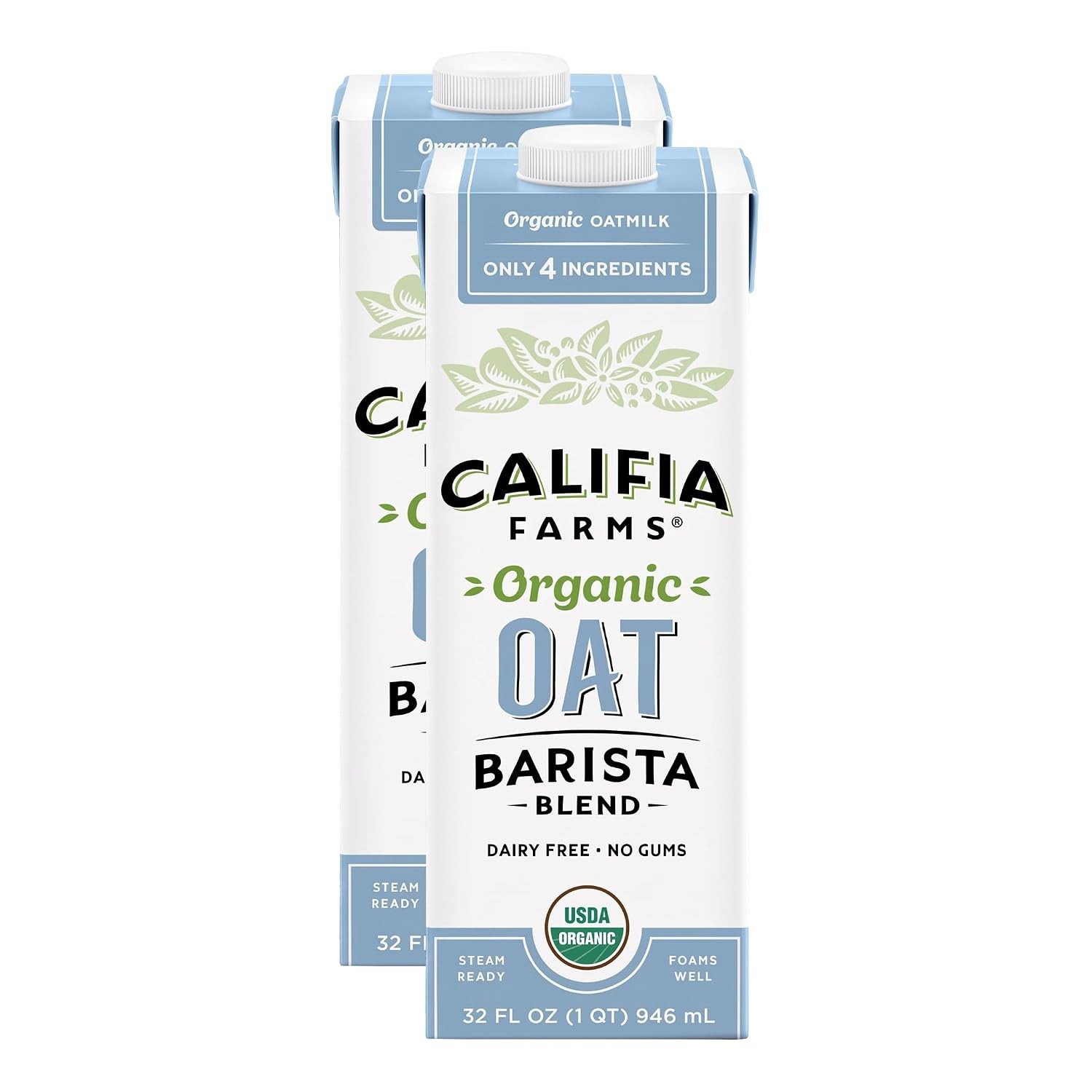
Califia Farms Organic Oat Barista Blend
A shelf-stable, organic oat barista milk in 32 oz cartons with no added sugar, according to the listing. Shelf-stable cartons are handy if you only drink one or two lattes a day, because you can open one at a time.
Califia’s barista line comes in several versions (organic, vanilla, unsweetened almond and others), so check you are buying the one you want before the box arrives.
Dairy-free and still pouring hearts? Oat barista milk is the easiest plant milk to texture.
Check the Califia Oat Barista Price →Pacific Foods Barista Series Original Oat
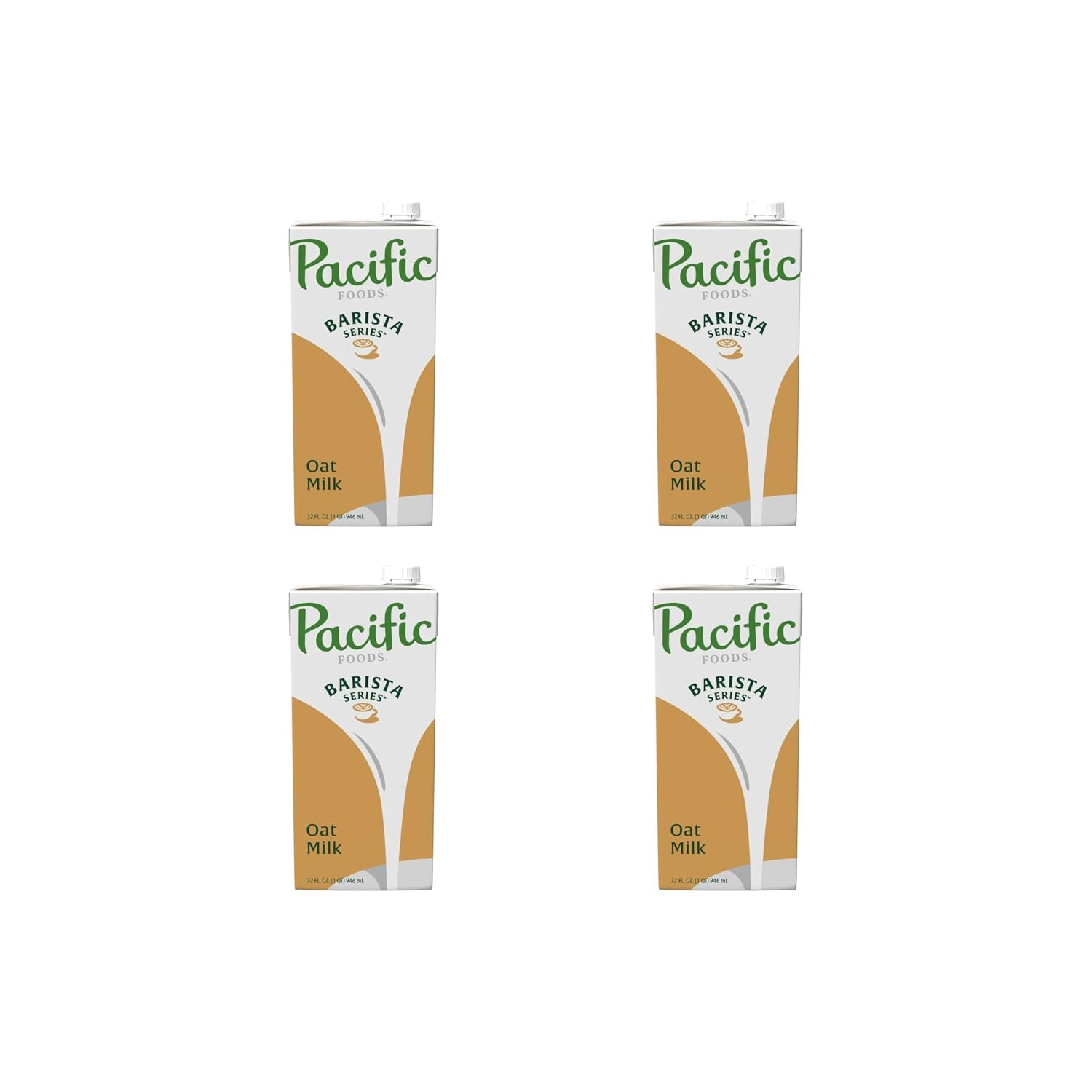
Pacific’s barista oat milk is made for professional baristas, according to the brand, and comes in 32 oz cartons, sold on Amazon as a pack of four. A smaller pack is a sensible way to test a brand before you commit to a dozen cartons.
Try a smaller box first. Four cartons is enough to find out if you like it.
See Pacific Barista Oat on Amazon →Soy: lots of foam, less forgiving
Seattle Coffee Gear rates soy as the best candidate among alternative milks for microfoam, with good consistency, and says it can be worked up to around 149°F. Clive Coffee found Silk Original made dense, creamy foam but was hard to pour art with; the foam tended to plop into the cup at the end.
Soy’s weakness is heat. Complete Home Barista says to stop at about 150°F and warns that soy curdles above 160°F. Buy a barista soy and use a thermometer until you can judge it by feel.
Almond: nice flavor, thin foam
Almond milk is low in protein, and Seattle Coffee Gear describes it as a bit too watery for great microfoam. It will not make a bad latte, but latte art is hard. Seattle Coffee Gear also says it does not work well above 130°F, so keep it cooler than you would dairy.
The barista version helps a lot. Clive Coffee found Califia Farms’ Barista Blend almond milk made a rich foam that stayed sweet even when hot, with slightly wispier lines than whole milk or Oatly.
Califia Farms Almond Barista Blend
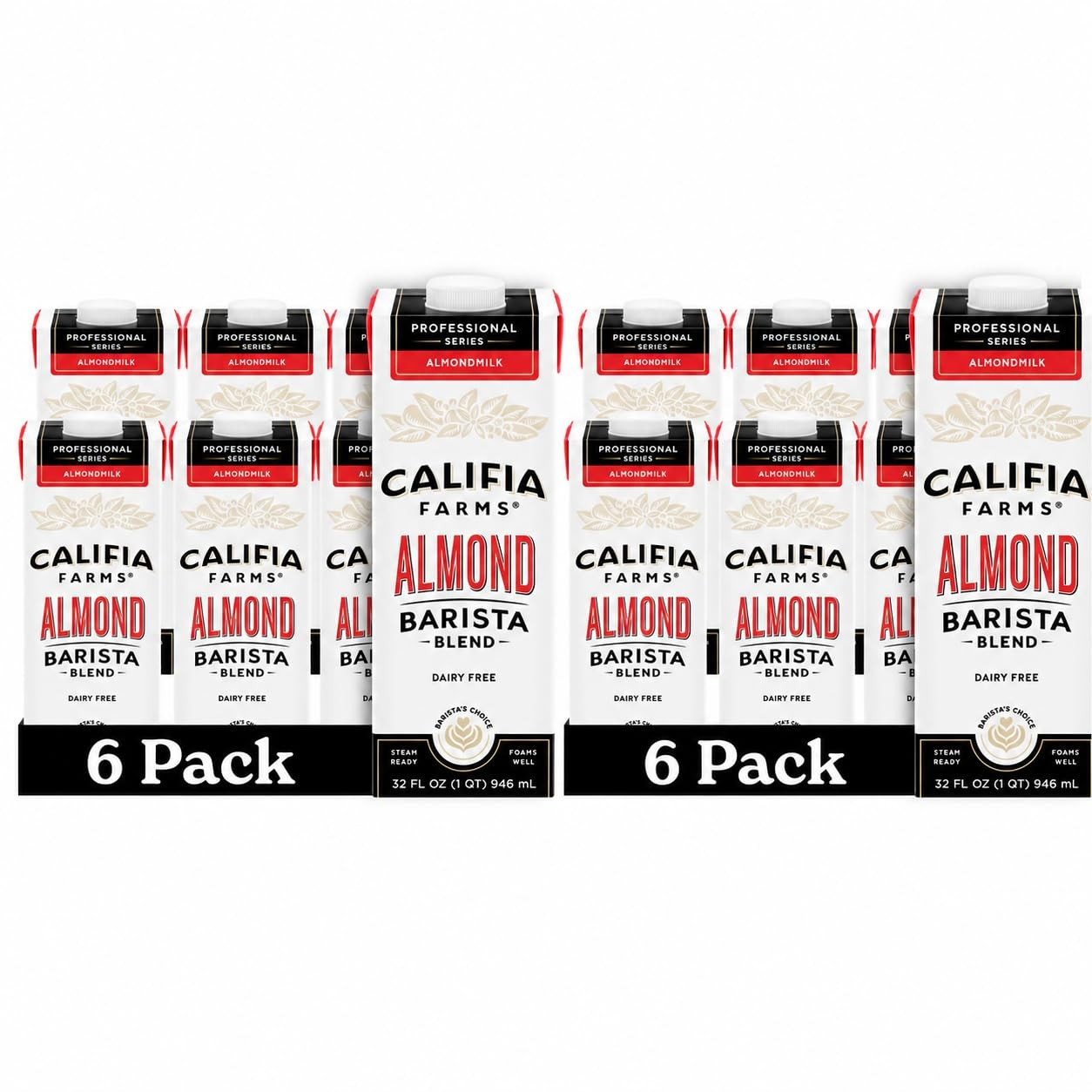
If almond is the flavor you love, this is the one to try. It is shelf-stable and sold in multi-packs of 32 oz cartons. Califia also makes an unsweetened version if you are watching sugar.
Almond lover? The barista blend foams far better than regular almond milk.
Check the Almond Barista Blend Price →The milks to skip for steaming
Clive Coffee had poor results with cashew milk (thin foam that collapsed in a minute or two), coconut milk and hemp milk, which it said felt like steaming water. Seattle Coffee Gear adds that coconut milk thickens above about 149°F. They are fine in a cup of drip coffee; just do not expect latte art.
Steaming tips that change by milk
- Add air earlier. Seattle Coffee Gear suggests adding more air early with plant milks, because they have less protein to build foam with.
- Watch the temperature. Different milks scorch or curdle at different points, so a thermometer clipped to the pitcher saves a lot of guessing. Aim lower for almond and soy.
- Start cold. Cold milk in a cold pitcher gives you more time to texture before it gets hot.
- Check your machine. Seattle Coffee Gear does not recommend plant milks in the milk siphon systems on many super-automatic machines, which are designed for dairy. Ask the manufacturer first. A normal steam wand is fine with any milk.
- Purge and wipe every time. Plant milks dry onto the wand just like dairy.
CDN ProAccurate Frothing Thermometer
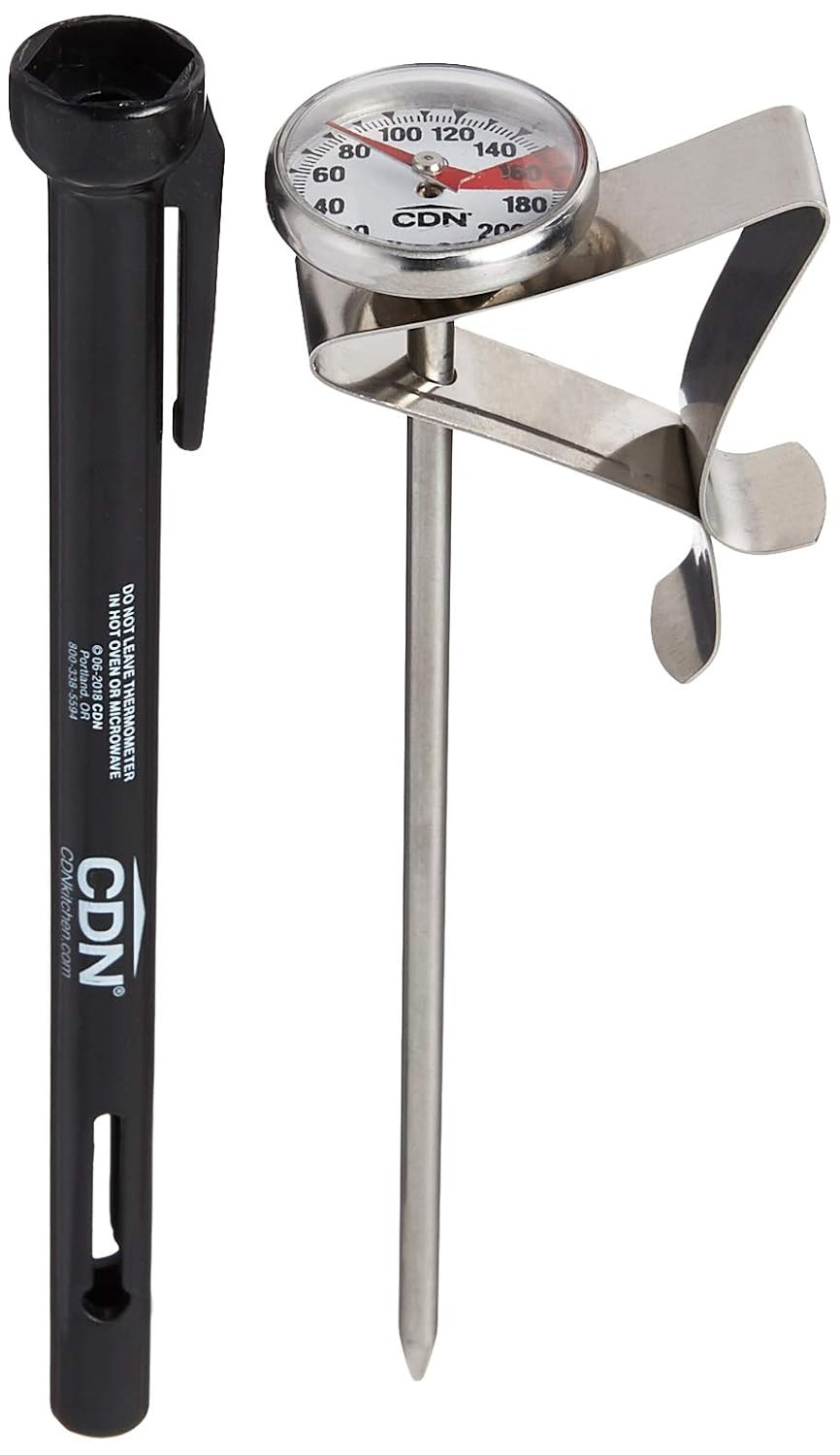
A small dial thermometer that clips to the side of your pitcher. Use it for a week with each new milk and you will learn what the right temperature feels like through the side of the jug.
Stop guessing the temperature. Especially useful with soy and almond.
View the CDN Thermometer →How to choose
- You want the best foam and drink dairy: whole milk, and try another brand if foam is giving you trouble.
- You are dairy-free and want latte art: a barista oat milk.
- You love the taste of almond: Califia’s Almond Barista Blend, steamed a little cooler.
- You want the most protein and foam: a barista soy, with a thermometer.
Whatever you pick, stick with one carton for a week before you judge it. Most bad milk days are really technique days, and you will only know which it is once the milk stays the same.