Repair or Replace? When an Espresso Machine Is Worth Fixing
Your espresso machine has started leaking from the group head, or the shots run thin, or it takes forever to heat up. The question that follows is always the same: is this a twenty-dollar fix or the end of the machine?
Most of the time it is the first. Some failures are cheap and easy to fix at home; a few mean it is time to move on. Here is how to tell them apart, what the common repairs cost, and which machines are worth keeping alive.
Disclosure: Espresso at Home is reader-supported. As an Amazon Associate we earn from qualifying purchases, at no extra cost to you.
The short version
| Product | Why it is here | Amazon | |
|---|---|---|---|
 | Urnex Dezcal descaler | Prevents the most expensive failures | Check Price |
 | Cafetto Tevo Mini tablets | Keeps valves and seals clean | Check Price |
 | Gaggia Classic E24 | A replacement built to be repaired | Check Price |
 | Breville Bambino | A low-cost, currently supported replacement | Check Price |
Step 1: Name the symptom
Before you price anything, work out which kind of problem you have. Seattle Coffee Gear splits them neatly: maintenance jobs that are easy, and bigger “showstoppers” that are hard to diagnose.
Usually worth fixing
- Water leaking around the portafilter. Almost always a worn group gasket. Complete Home Barista lists gaskets at $5 to $15 and an easy DIY job of 15 to 30 minutes.
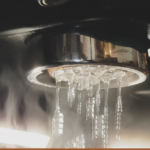
- Uneven or spraying water from the group. A clogged or damaged shower screen, about $10 to $25 to replace.
- Slow flow, weak steam, long heat-up. Often scale. A descale may bring it back.
- Steam wand dribbling or spitting. A blocked tip or worn wand seal, typically $5 to $20 in parts.
Harder to call
- The machine will not heat. Seattle Coffee Gear lists a long range of possible causes: a damaged control board, a failed heating element or boiler, loose wiring, failed tubing, or something as simple as a loose switch. That spread is why it is hard to price without opening it up.
- The pump hums but no water comes out, or pressure is far lower than it used to be. It may be scale or a blocked valve; it may be a tired pump.
- It trips the breaker or smells of burning. Unplug it and stop using it until it has been looked at.
Step 2: Know what parts and service cost
Complete Home Barista’s maintenance-cost guide gives useful ballpark figures for home machines:
- Group head gasket: $5 to $15, every one to two years
- Shower screen: $10 to $25
- Pump or OPV (pressure valve): $50 to $150 in parts, a moderate DIY job
- Heating element: $75 to $200, a difficult DIY job
- Professional pump replacement: $150 to $300 with labor
- Annual tune-up: $75 to $150; boiler service: $200 to $400
Prices vary by machine and by region, so treat these as a starting point and get a quote. The point is the scale: gaskets and screens cost less than a bag of beans, while a heating element plus labor can approach the price of a new entry-level machine.
Step 3: Compare age with expected lifespan
How long a machine should last depends mostly on how it is built. Complete Home Barista’s lifespan guide estimates:
- Thermoblock entry-level machines: about 3 to 7 years
- Single boiler machines: about 7 to 12 years
- Heat exchanger machines: about 10 to 15 years
- Dual boilers: about 10 to 20 years
The same guide says maintenance matters more than brand, and that hard water without treatment is the single biggest factor in shortening a machine’s life.
Step 4: Apply the 40/50 rule
Complete Home Barista suggests a simple rule of thumb. Repair when the machine is less than halfway through its expected life, the repair costs under 40% of a comparable new machine, parts are still available and the fault is minor, such as a gasket, pump or switch.
Replace when the machine is past about 70% of its expected life, the repair is over half the price of a replacement, parts are discontinued, or several things are failing at once. Several failures together usually mean general wear, and the next repair will not be far behind.
A worked example: a five-year-old thermoblock machine that cost $300 needs a $200 repair. It is near the end of its expected life and the repair is two-thirds of a new one. Replace it. A seven-year-old single boiler machine that needs a $15 gasket and a descale is an afternoon’s job. Fix it.
Step 5: Check parts and warranty
Two quick checks before you decide. First, the warranty: if the machine is still covered, contact the manufacturer before you open the case, since DIY repairs can affect coverage.
Second, parts. Seattle Coffee Gear notes that brands such as Rancilio and Rocket Espresso use parts that stay available for decades, while some manufacturers rely on custom parts they stop making once a model is discontinued. If you cannot find the part, the decision makes itself.
If it is worth fixing: stop it happening again
Scale and old coffee oil cause a large share of the expensive failures. Two cheap supplies cover both.
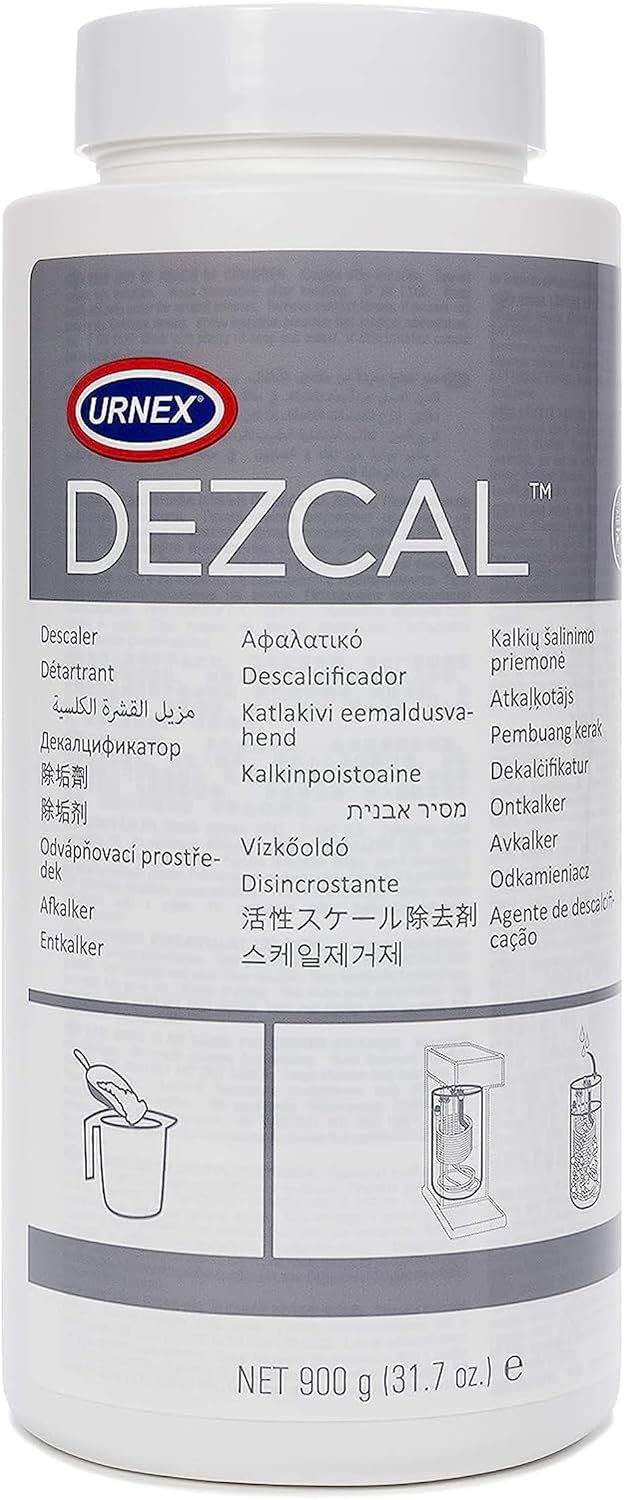
Urnex Dezcal
Descaling on a schedule that matches your water is the most valuable maintenance job there is. Dezcal is a powder made for espresso machines, so you mix only what you need. Follow your manufacturer’s descaling instructions, and if your machine’s maker says not to descale at home, follow that instead.
Scale is the slow killer. Descale on schedule and you avoid the pricey repairs.
Check the Dezcal Price →Cafetto Tevo Mini cleaning tablets
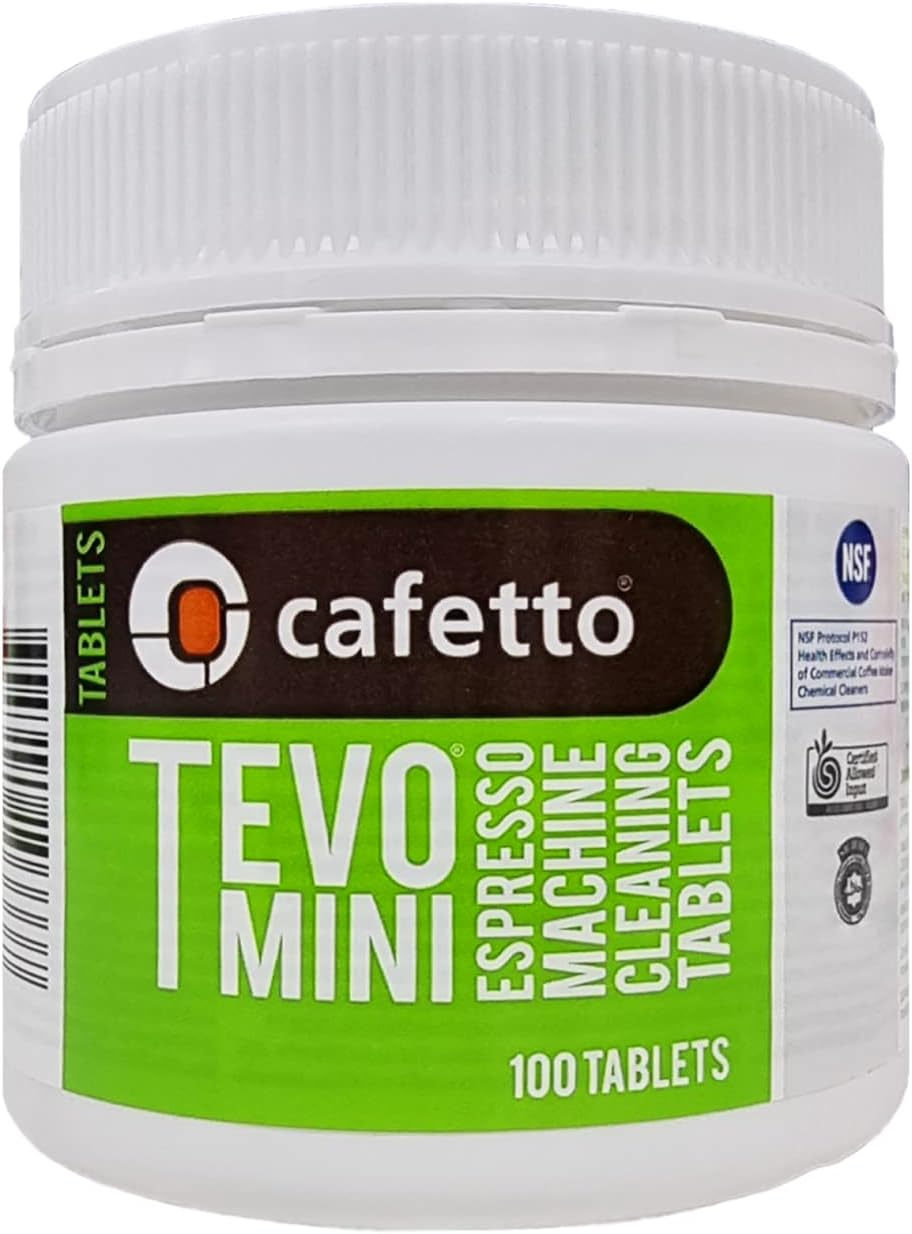
If your machine has a three-way valve and can be backflushed, a regular backflush with a cleaning tablet keeps old coffee oil out of the valve and off the seals. Cafetto makes the Tevo Mini for manual and semi-automatic machines, and a tub of 100 lasts a home machine a long time.
Five minutes a month for the group head. Clean seals and valves fail less often.
See the Tevo Mini on Amazon →If it is time to replace: buy something fixable
Seattle Coffee Gear is wary of cheap used machines, since it is hard to know how they were maintained, and suggests that a new, currently supported entry-level machine with a warranty is often the better bet. Two sensible directions:
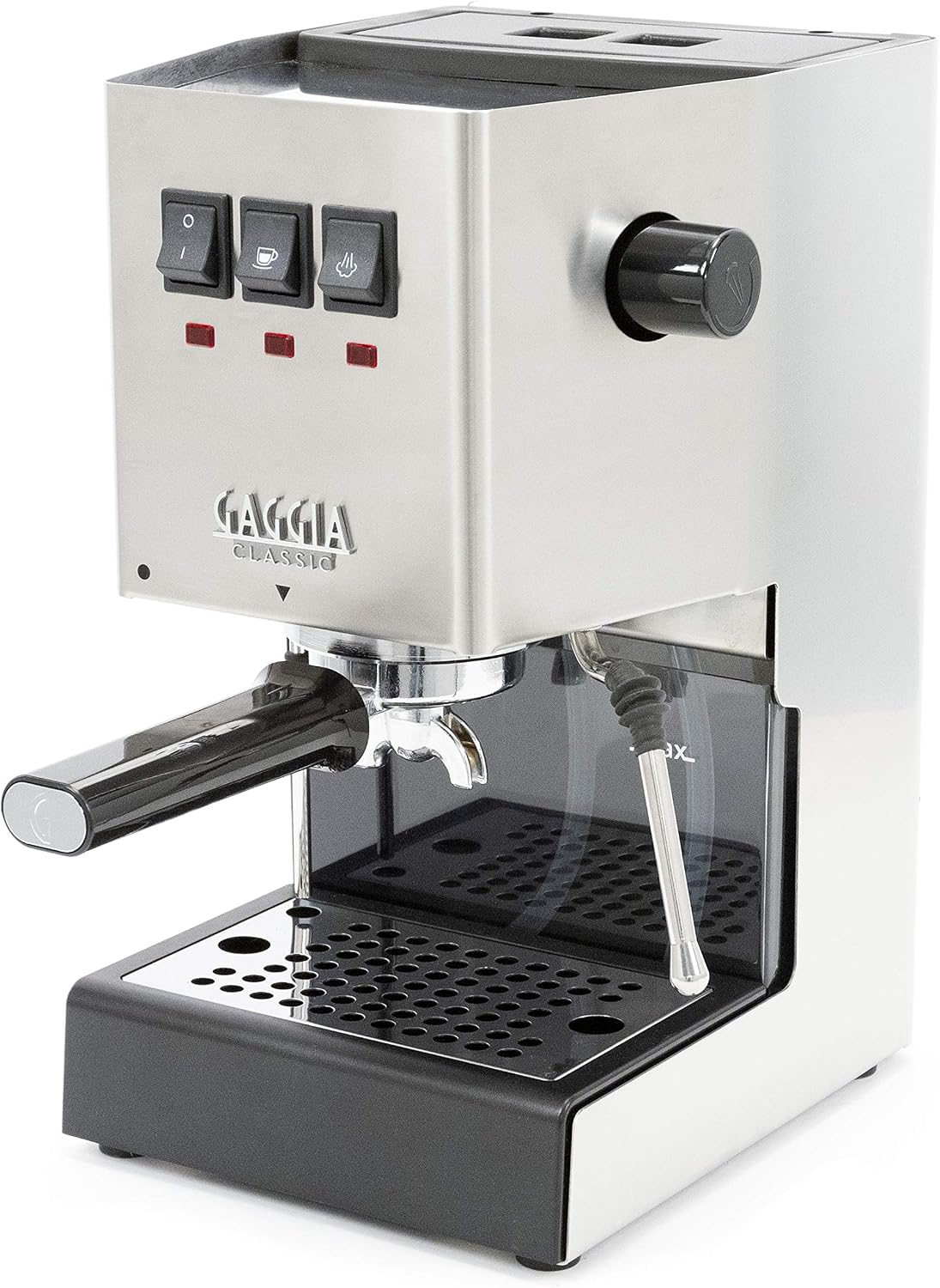
Gaggia Classic E24
The Gaggia Classic has been made in some form for decades, and Complete Home Barista describes classic Gaggia models as highly repairable and more DIY-friendly than most appliance-style machines. It uses a standard 58 mm group, a brass boiler and a professional steam wand. It was about $450 when we last checked, so check the current price.
If you are the kind of person who reads repair articles before giving up on a machine, this is the one that will reward you.
Want your next machine to last? A simple machine with parts you can actually buy.
Check the Gaggia Classic Price →Breville Bambino
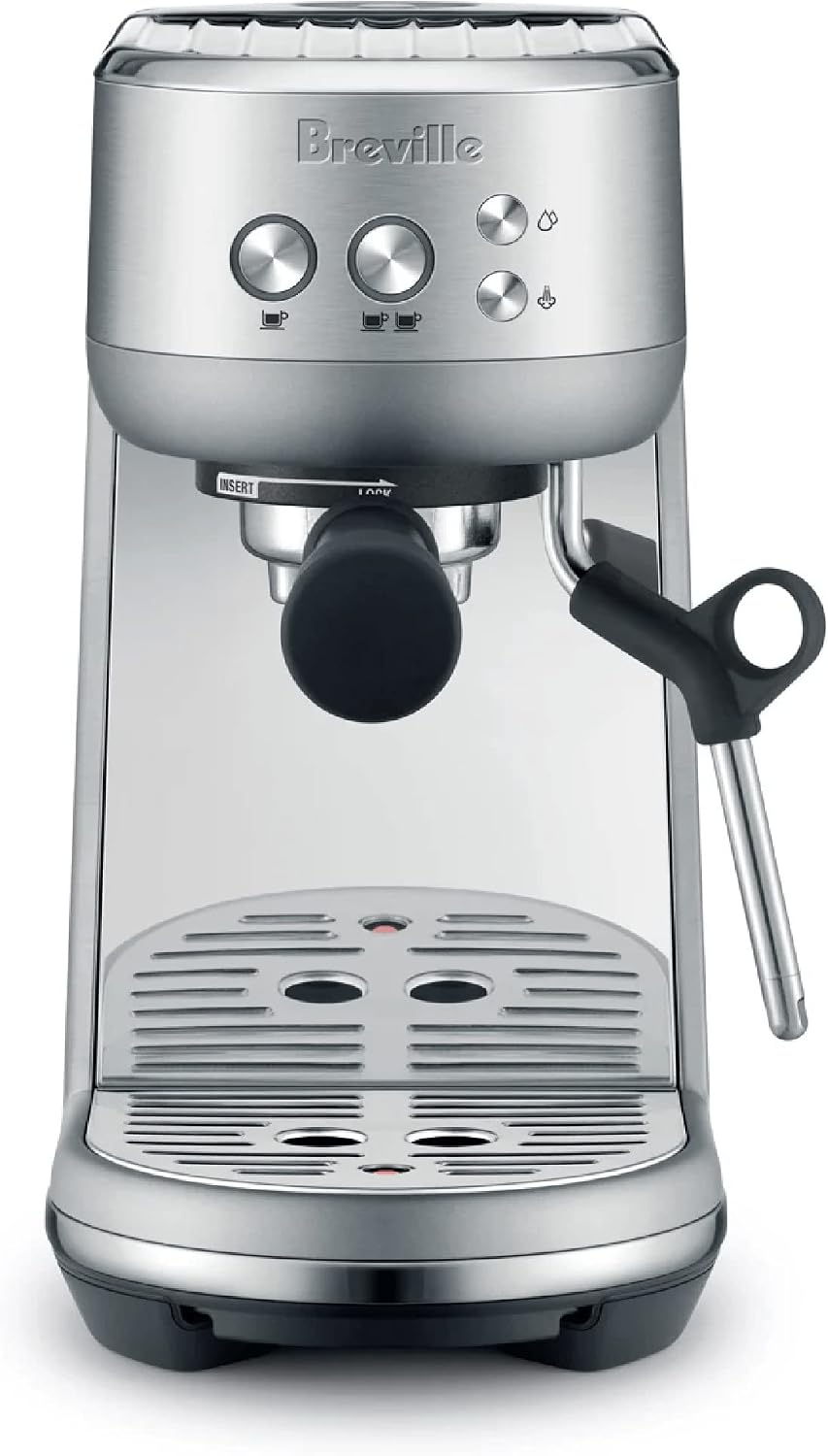
If your old machine was a basic thermoblock and you mostly want a working latte again, the Bambino is a small, quick-heating replacement with a $299.95 list price. Complete Home Barista estimates Breville machines last around five to eight years and describes them as widely repairable with good support.
Back to good coffee by the weekend. An easy, current replacement for a worn-out entry machine.
See the Bambino’s Current Price →The bottom line
Leaks, sprays and slow flow are usually cheap fixes: a gasket, a screen or a descale. Failures inside the boiler or electronics on an old, inexpensive machine usually are not. Compare the repair to the price of a new machine, be honest about the machine’s age, and whatever you decide, start descaling on schedule.