Backflushing and a Daily Espresso Cleaning Routine
Espresso machines get dirty in a way you cannot see. Every shot leaves a film of coffee oil on the shower screen and in the group head, and that oil turns rancid fast. A few weeks without cleaning and your shots start tasting bitter and flat, even with fresh beans and a perfect grind.
The good news is that keeping a home machine clean takes a couple of minutes a day and ten minutes now and then. This is the checklist, from after every shot to once a month, including how to backflush and what to do if your machine cannot.
Disclosure: Espresso at Home is reader-supported. As an Amazon Associate we earn from qualifying purchases, at no extra cost to you.
First: can your machine be backflushed?
Backflushing pushes water, and sometimes detergent, back up through the group head by locking in a blind basket with no holes. It only works on machines with a three-way solenoid valve, which releases pressure after the shot. Seattle Coffee Gear offers an easy test: when the pump stops, do you hear a brief hiss and see water dump into the drip tray? If so, you have one. A blind basket in the box is another good sign.
Seattle Coffee Gear lists E61 machines, the Rancilio Silvia, and Breville’s Barista Express and Barista Pro among the machines that generally can. The Breville Bambino and Bambino Plus, most entry-level De’Longhi Dedica models, superautomatics and lever machines generally cannot.
Do not try to backflush a machine without the valve. As Seattle Coffee Gear warns, the blind basket just traps hot, pressurized water against the group, and you can get a spray of hot water and grounds when you unlock the portafilter. If yours cannot be backflushed, skip to the section near the end.
After every shot
- Knock out the puck and rinse the basket. Do it straight away, before the grounds dry onto the metal.
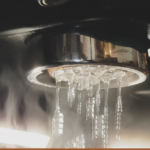
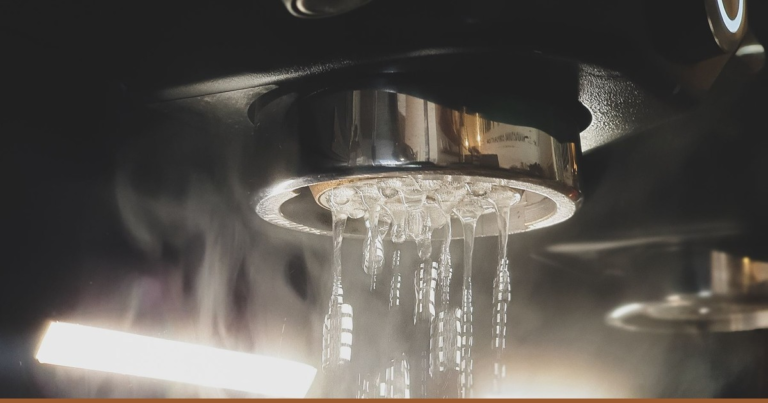
- Flush the group. Whole Latte Love suggests removing the portafilter right after brewing and running the pump for a second or two to rinse the screen.
- Purge and wipe the steam wand. Open the valve for a second before and after steaming, and wipe the wand with a damp cloth before milk dries on it. Dried milk is the hardest thing on the machine to clean later.
At the end of the day: a water backflush
On a machine with a three-way valve, a plain water backflush clears most of the day’s oil. Lock in the blind basket and run the pump in short bursts. Seattle Coffee Gear’s version is 10 seconds on, 10 seconds off, five times, which takes under two minutes. Clive Coffee recommends a few cycles after every session, then a quick flush with the portafilter out.
While you are there, empty the drip tray and wipe the gasket and screen with a damp cloth.
A blind basket is the one tool this needs. Buy one that matches your portafilter size, or use the one that came with the machine.
Search Blind Baskets →Every week: brush and soak
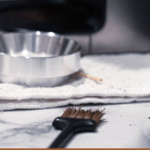
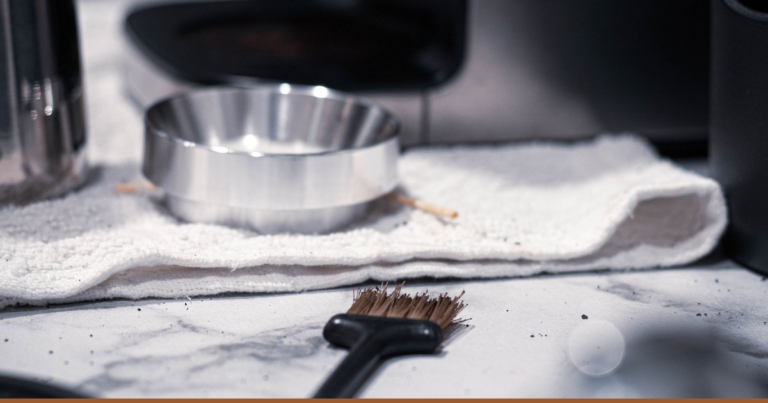
- Brush the group head. A group head brush gets into the gasket channel where coffee builds up. Run short bursts of water while you brush, as Seattle Coffee Gear suggests.
- Soak the baskets and the portafilter head. Use espresso machine detergent and hot water, following the package directions. Keep plastic or wooden handles out of the soak.
- Clean the steam wand tip. If the holes look crusty, soak the tip in a milk-system cleaner and clear the holes.
A proper group brush reaches the gasket channel. There are lots of near-identical brushes, so match the head to your group size.
Search Group Head Brushes →Every two to four weeks: a detergent backflush
This is the deep clean. It strips the oil a water rinse leaves behind. The steps vary a little between guides, but they agree on the shape:
- Put the blind basket in the portafilter and add espresso machine detergent. Seattle Coffee Gear uses roughly a quarter teaspoon of Cafiza powder or one tablet; follow the label on whatever you buy.
- Lock it in and run the pump in cycles. Seattle Coffee Gear does 10 seconds on, 10 seconds off, five times. Clive does ten cycles.
- Remove the portafilter, dump the dirty water and rinse the blind basket.
- Do five or six more cycles with plain water to rinse out the detergent.
- Pull one shot and pour it away, so you never drink a trace of cleaner.
How often? Seattle Coffee Gear says monthly. Clive says every two weeks to a month, or weekly if you pull four or more shots a day. One exception: on E61 machines, Clive suggests detergent only every one to two months, because the detergent strips the lubricant from the E61 group. More detergent is not better, either.
Our pick for the detergent: Cafetto Tevo Mini
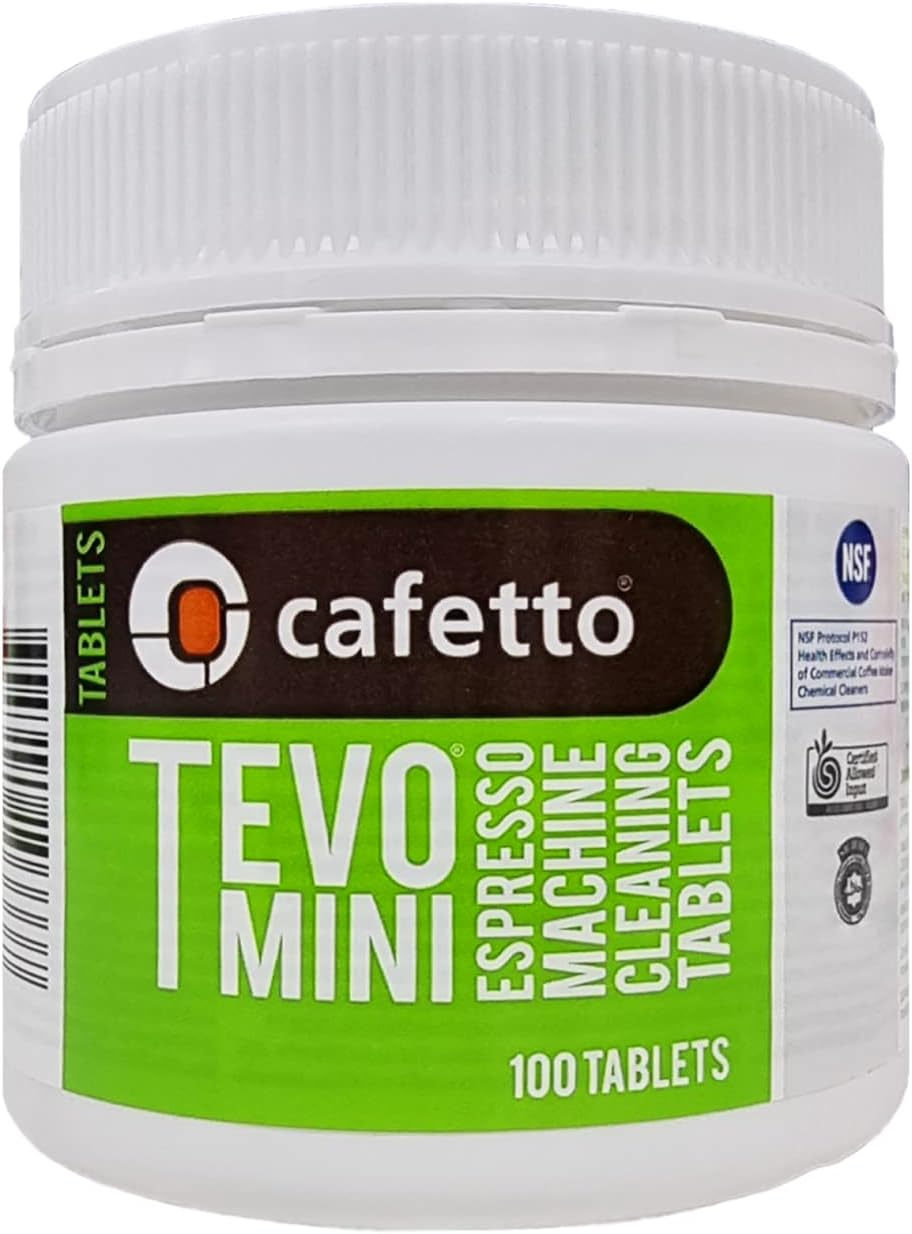
Tablets remove the guesswork of measuring powder. Cafetto makes the Tevo Mini for manual and semi-automatic machines, and the listing says the 1.5 g tablets are safe on aluminium, brass and stainless steel. A tub of 100 lasts a home machine a very long time.
No scoop, no mess, just drop one in. It was about $21 on Amazon when we checked.
Check the Tevo Mini Price →Every month: the shower screen and the grinder
Even with backflushing, oil collects behind the shower screen. With the machine cool, remove the screw in the centre of the screen (some machines have a dispersion plate behind it, so note the order). Soak the screen in detergent solution: Clive suggests about 15 to 20 minutes, roughly once a month. Scrub, rinse, brush the gasket channel and reassemble. Seattle Coffee Gear reminds you to snug the screw without overtightening it and run water before you brew.
Your grinder collects the same oils. Running a grinder cleaner through it once a month keeps stale residue out of your shots, as we covered in our grinder dial-in walkthrough.
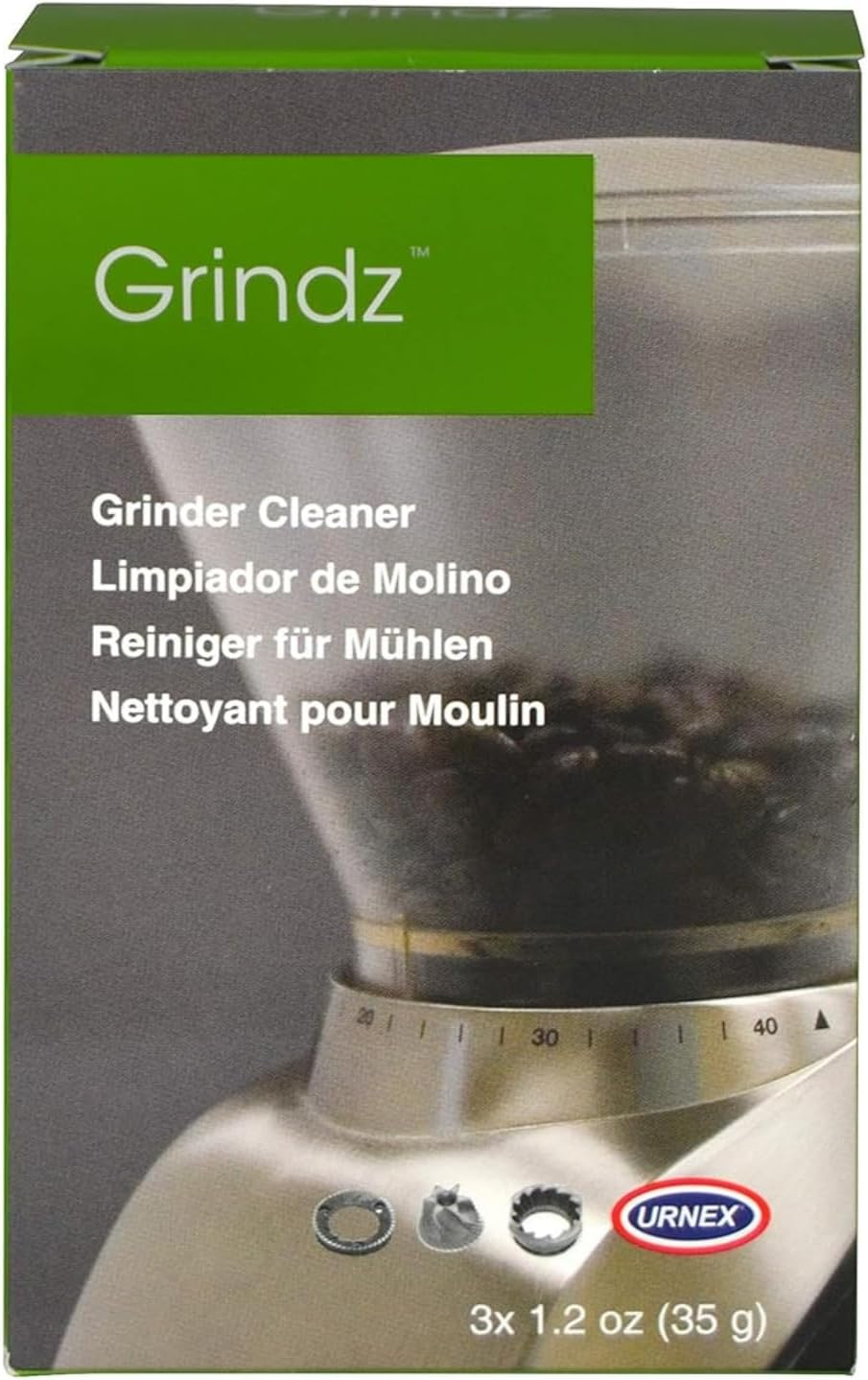
The grinder is part of the machine too. Grindz was $13.49 on Amazon when we last checked.
View Urnex Grindz →On your manual’s schedule: descale
Backflushing removes coffee oil. It does nothing for mineral scale inside the boiler and pipes, which builds up from the water itself. That is a separate job, done on the schedule your manual gives and more often in hard water areas. Both Seattle Coffee Gear and Clive stress that the two are different tasks.
Never use descaler, vinegar, dish soap or household cleaners for a backflush. Clive goes as far as saying the wrong product is worse than not backflushing at all.
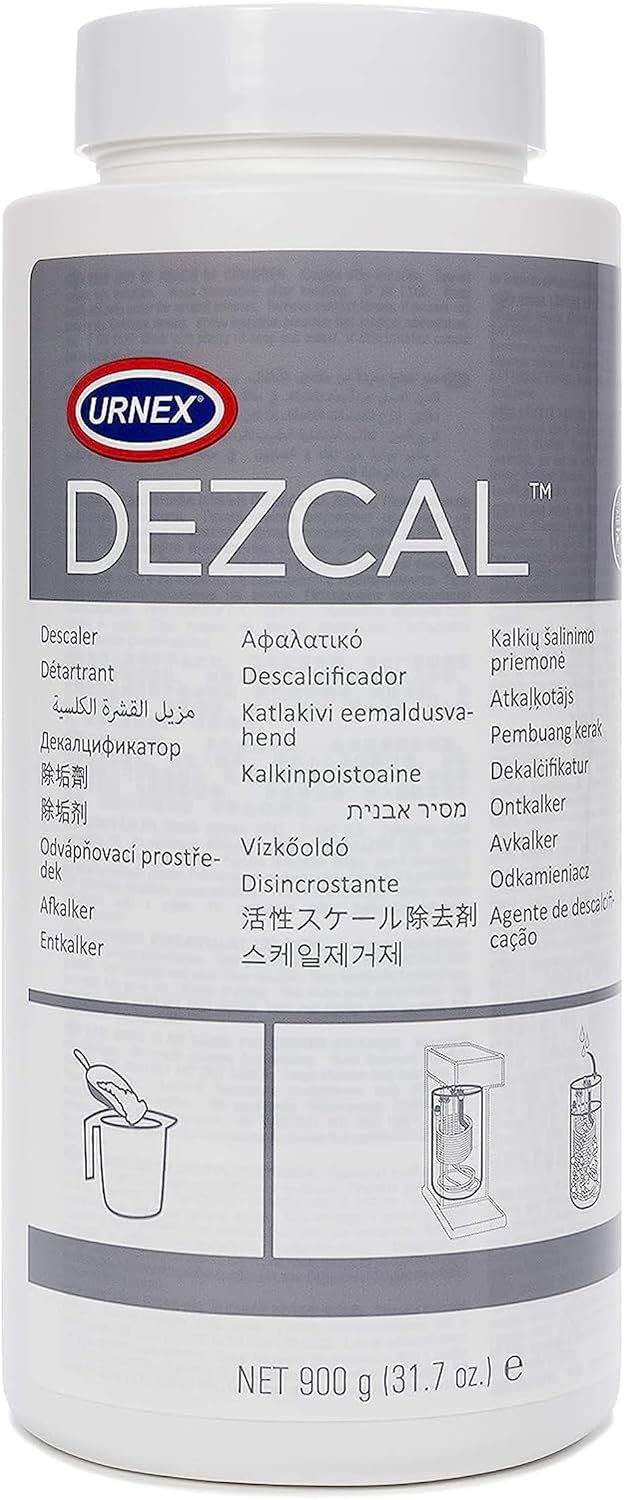
A purpose-made descaler, not vinegar. The 900 g bottle was $29.98 on Amazon when we checked. Follow your machine’s manual for the method.
See Urnex Dezcal →If your machine cannot backflush
Machines like the Bambino need a gentler routine, but they still need one. Seattle Coffee Gear suggests this:
- Daily: rinse the basket and portafilter with hot water, run a short flush with the portafilter out, and wipe the screen and gasket with a damp cloth.
- Weekly: brush around the gasket and screen with a group brush while running short bursts of water, and soak the basket and metal portafilter head in detergent.
- Every few weeks: take off the shower screen if you can and soak it.
- If your machine has a built-in cleaning program with its own disc or tablet, use that and follow the manual.
One more tip: on a machine without a three-way valve, the puck stays wetter and there can be pressure left in the group, so wait a few seconds after the shot before unlocking the portafilter.
The whole routine on one screen
| When | Job | Time |
|---|---|---|
| Every shot | Knock out, rinse basket, flush group, purge and wipe wand | Under a minute |
| End of day | Water backflush (if your machine can), empty drip tray, wipe gasket | About 2 minutes |
| Weekly | Brush group, soak baskets and portafilter head | 10 minutes |
| Every 2-4 weeks | Detergent backflush and rinse | About 5 minutes |
| Monthly | Shower screen soak, grinder cleaner | About 20 minutes, mostly waiting |
| Per manual | Descale | Varies by machine |
It looks like a lot written down. In practice it becomes habit within a week, and it is the cheapest way to keep shots tasting the way they did on day one. If your espresso still tastes off after a proper clean, our sour or bitter troubleshooting guide covers the other usual suspects.
More guides
- Why Your Espresso Tastes Sour or Bitter: A Troubleshooting Guide
- Espresso Accessories Worth Buying (and Ones to Skip)
- Breville Bambino Plus Review: Is It Enough Machine?
- Your First Espresso Machine: What Actually Matters
- Dialing In a New Grinder: A Weekend Walkthrough
Scale is a separate job from coffee oil. Our step-by-step guide to descaling an espresso machine covers how often, which descaler, and how to rinse.