How to Buy Coffee Beans: Roast Dates and Labels Explained
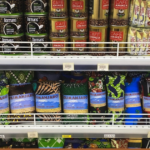
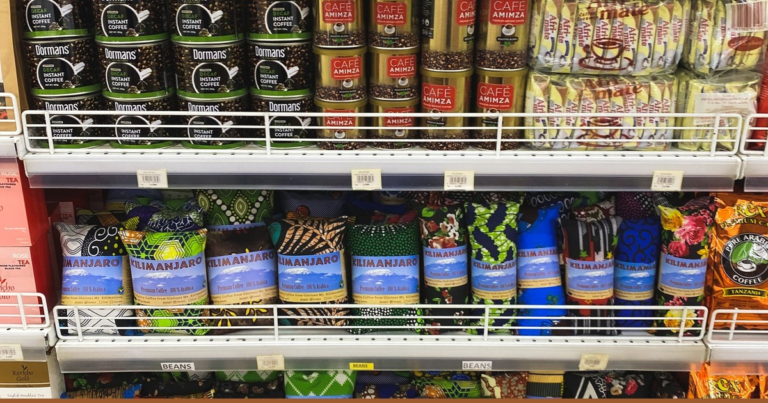
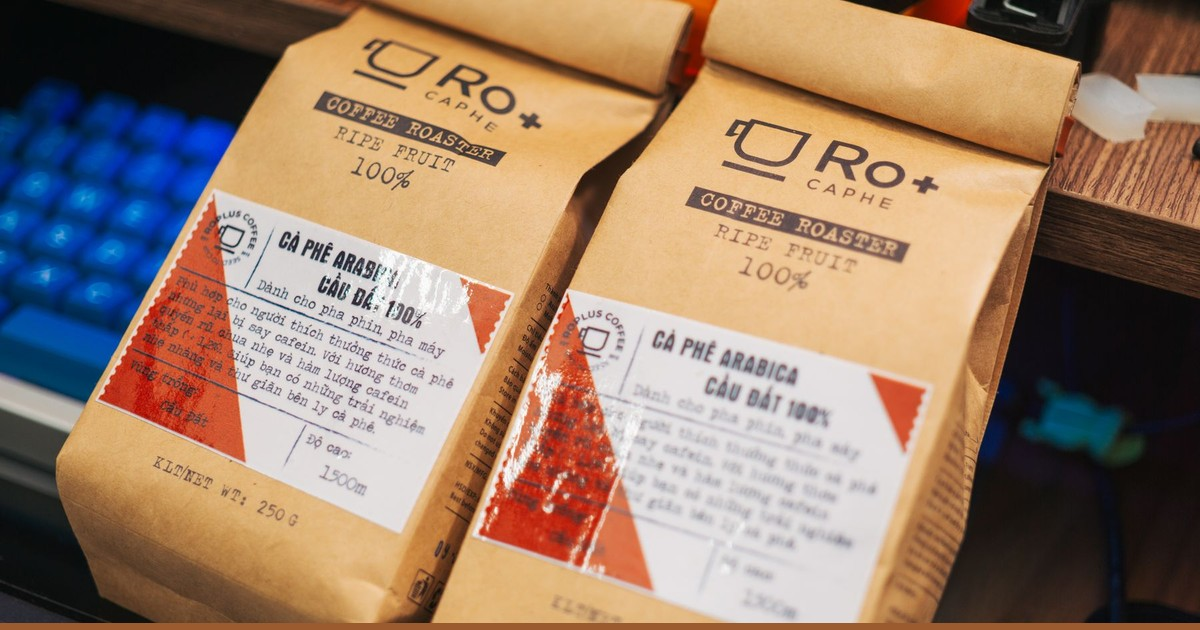
You are standing in front of a wall of coffee bags. One says “bold”, another says “single origin, washed, 1,900 MASL”, a third has a picture of a mountain and nothing else useful. Most of us grab the one with the nicest bag and hope.
You can do better than that in about thirty seconds. A few things on a coffee label tell you a lot about what is in the cup. Most of the rest is decoration. Here is how to tell them apart.
Disclosure: Espresso at Home is reader-supported. As an Amazon Associate we earn from qualifying purchases, at no extra cost to you.
The one that matters most: the roast date
If you only read one thing on the bag, read the date. Roasted coffee is a fresh food. Seattle Coffee Gear says coffee is best within roughly two to four weeks of roasting, with filter coffee often peaking around one to two weeks and espresso around two to four. Bean Box puts the sweet spot at about 7 to 21 days.
A roast date tells you exactly where a bag sits in that window. A best-by date does not. Bean Box goes as far as calling a best-by date on its own a red flag, and Trade describes best-by dates as an arbitrary window that is often six months to a year.
How to decode a best-by date
Some brands use a fixed shelf life, so you can work backwards. Kicking Horse, for example, says in its FAQ that the best-before date on the back of its bags is 18 months after roasting. A bag marked best before next April was roasted around last October.
If a bag has neither a roast date nor a date you can decode, treat it as old. The ex-barista quoted in Chowhound’s guide to coffee labels goes further and suggests skipping undated bags altogether.
Labels worth reading
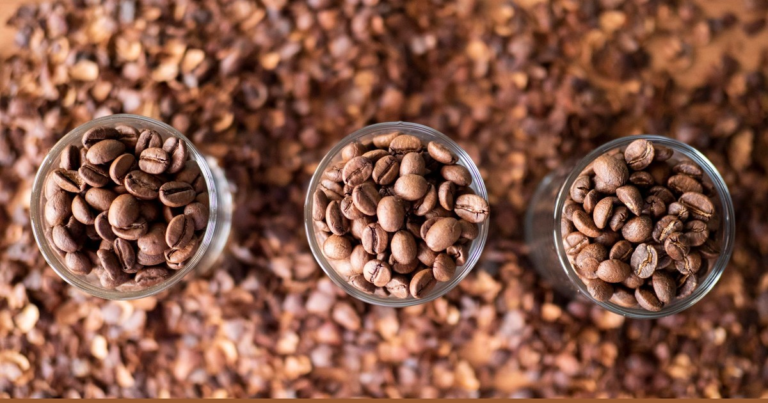
Whole bean or ground. Whole beans keep their aroma far longer. Ground coffee starts losing it within minutes of grinding. If you own any kind of grinder, buy whole bean.
Origin. The more specific, the better. Chowhound’s source puts it simply: a single farm is probably better than a single region, which is probably better than a single country. “Blend” is not a bad word. Blends are mixed for a balanced, repeatable taste and are often great for espresso and milk drinks.
Process. This is how the fruit was removed from the bean, and it changes the flavour more than most people expect. Washed coffees tend to taste clean and bright. Naturals, dried inside the fruit, tend to taste fruitier and heavier. Honey process sits in between. Anaerobic and other experimental methods can taste wild, in a good or bad way.
Roast level. Light, medium, medium-dark and dark are useful hints, but Seattle Coffee Gear notes that roast levels are fairly subjective from one roaster to the next. One brand’s medium can be another’s dark.
Tasting notes. “Blueberry, cocoa, citrus” does not mean anyone added flavouring. It is the roaster’s description of what the coffee reminds them of. Use the notes to steer between fruity and chocolatey, not as a promise.
Labels that tell you less than they seem
Altitude. Higher-grown coffee tends to be denser and more complex, and specialty coffee is usually grown above about 1,200 to 1,500 m. It is a useful clue but not a quality guarantee.
Certifications. Organic, Fairtrade, Rainforest Alliance and similar seals tell you about farming or trading practices. Bean Box is blunt that none of them is a quality guarantee, and Chowhound’s source points out that terms like “direct trade” and “shade grown” have no legal definition.
Words like “bold”, “gourmet” or “premium”. These are marketing. They tell you nothing you can check. “Bold” usually means dark.
The one-way valve. That small plastic circle lets carbon dioxide out of a fresh bag without letting oxygen in. It is a good sign that the roaster expects you to buy fresh beans, but it does not tell you how fresh this particular bag is.
A 30-second checklist for the coffee aisle
- Find the date. Roast date within the last month is ideal. No date you can decode, move on.
- Whole bean if you have a grinder.
- Check the origin and process to steer the flavour: washed for clean and bright, natural for fruity and heavy.
- Pick the roast level for how you drink it: lighter for black filter coffee, medium to dark for milk drinks.
- Ignore the adjectives and most of the seals when judging taste.
- Buy only what you will use in two to four weeks.
Three easy picks, matched to how you drink
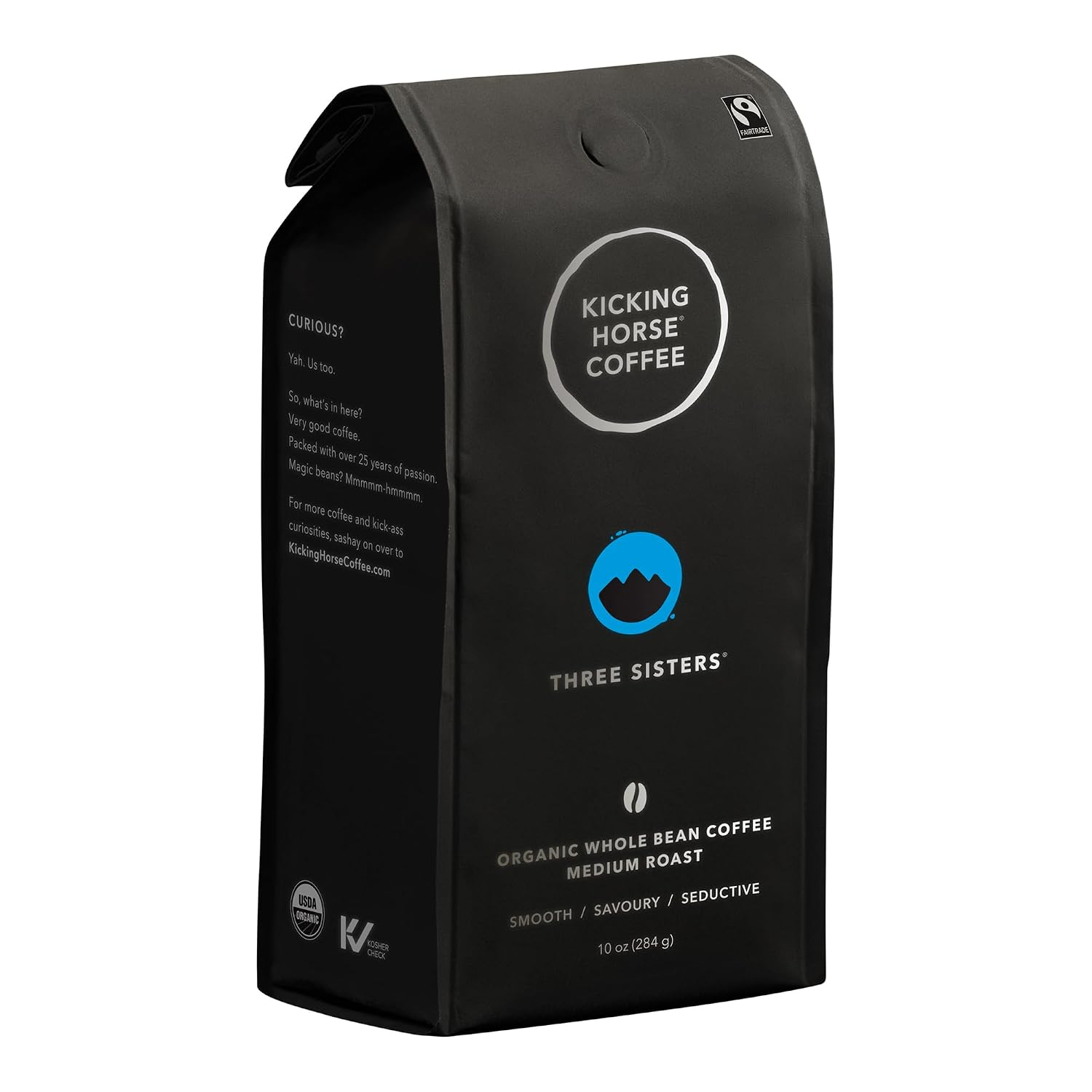
These are all whole-bean coffees from Kicking Horse, which is widely sold in North American grocery stores and on Amazon. We chose them because the date on the bag can be decoded, and because each one suits a different kind of coffee drinker.
| Coffee | Roast | Best for | Amazon | |
|---|---|---|---|---|
 | Three Sisters | Medium | Everyday drip, French press | Check Price |
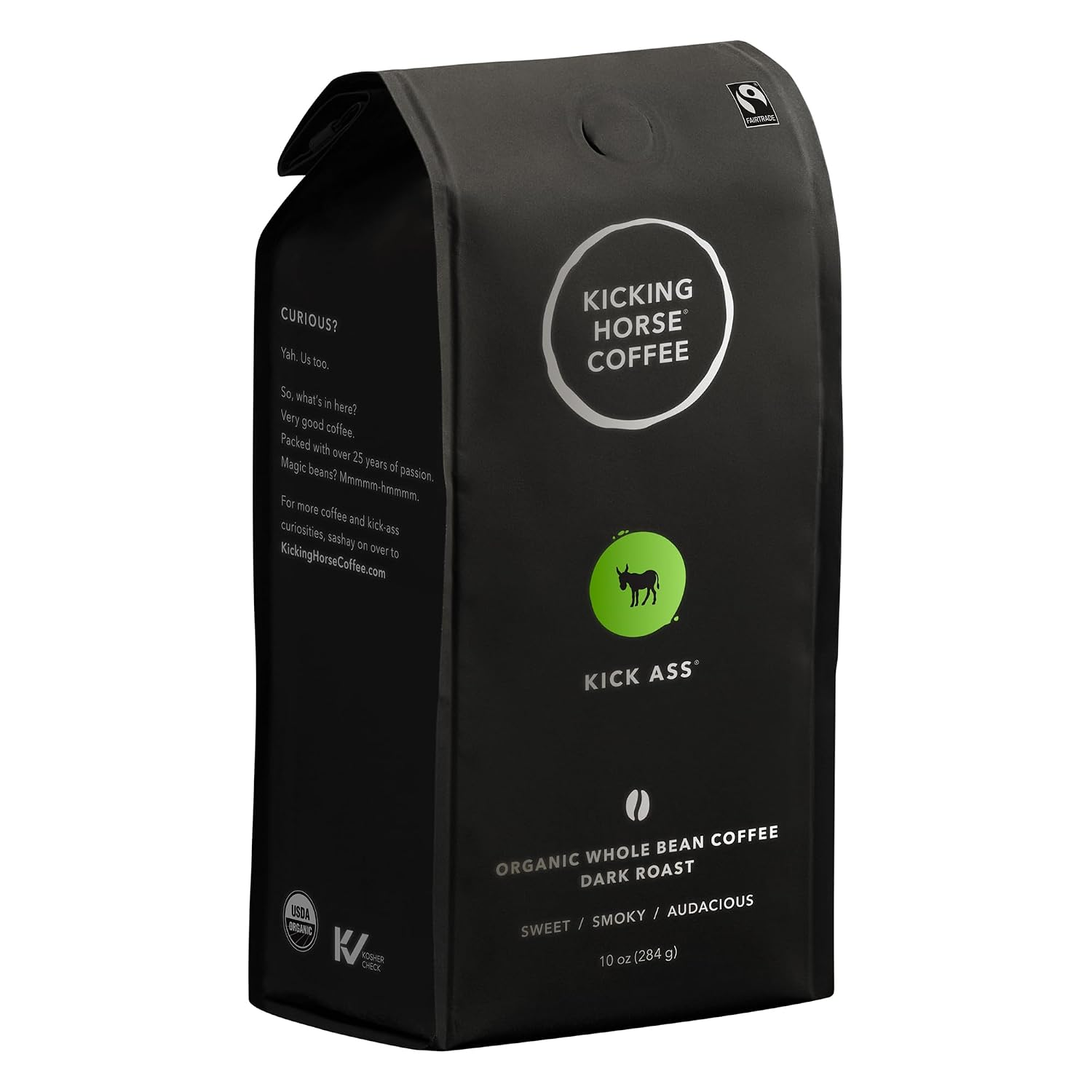 | Kick Ass | Dark | Lattes, bold black coffee | Check Price |
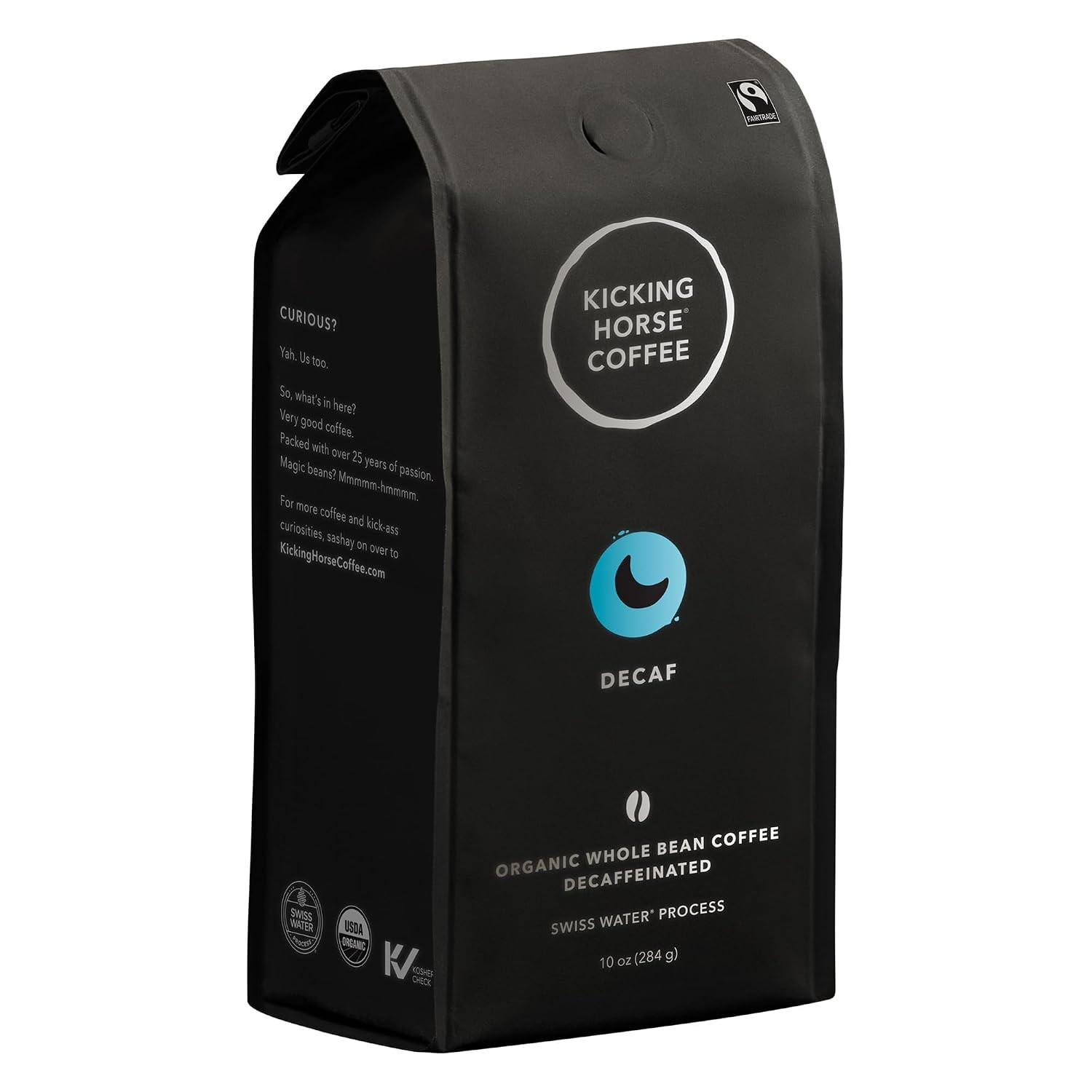 | Decaf (Swiss Water) | Dark | Evening cups, milk drinks | Check Price |
For the everyday drinker: Three Sisters
If you are just moving from pre-ground to whole beans, start here. Kicking Horse lists Central and South American beans with notes of stone fruit and cocoa. It is a well-rounded medium roast that is hard to brew badly in a drip machine or a French press.
The safe first bag. Medium roast, organic and Fairtrade, and easy to like.
See Three Sisters →For milk drinks and dark-roast fans: Kick Ass
This is what “bold” on a label usually means, done well. Kicking Horse describes chocolate malt, molasses and licorice with an earthy finish. Dark roast flavour carries through milk, so it suits lattes and cappuccinos. If you want stronger coffee, though, use more of it rather than relying on the roast. Our post on light vs dark roast myths explains why.
Lattes that still taste like coffee. Dark, chocolatey and organic.
Check the Kick Ass Price →For the evening cup: Kicking Horse Decaf
Decaf labels are worth reading too. The Swiss Water Process uses water rather than chemical solvents to remove the caffeine, and the label will usually say so. This one is a dark roast, which helps decaf hold its flavour in milk. More picks are in our decaf guide.
Decaf without the cardboard taste. Swiss Water Process, dark roast, whole bean.
View the Decaf on Amazon →After you buy
Even the freshest bag goes flat if it sits open on the counter. Keep beans sealed, away from heat and light, and grind just before brewing. A small Airscape canister is a tidy way to keep a half-finished bag airtight. If you buy online, check the date when the bag arrives too: a listing cannot tell you how long stock sat in a warehouse.
Once you can read a label, you can also make a better call between grocery beans and a subscription. We compare the two in coffee subscriptions vs supermarket beans.