Coffee Subscriptions vs Supermarket Beans
You finish the last bag on a Sunday night and face the usual choice. Grab whatever looks decent at the supermarket tomorrow, or finally sign up for one of those subscriptions that keeps popping up in your feed.
Both can give you good coffee. They just win in different places. We put them head to head over five rounds that matter in a real kitchen: freshness, price per mug, choice, convenience and how much coffee ends up going stale.
Disclosure: Espresso at Home is reader-supported. As an Amazon Associate we earn from qualifying purchases, at no extra cost to you.
The short version
| Round | Subscription | Supermarket |
|---|---|---|
| Freshness | Roasted to order, dated bag | Often only a best-by date |
| Price per mug | Similar to good grocery beans | Cheapest if you buy big |
| Choice | Huge, and it rotates | Limited, but you can see it |
| Convenience | Shows up on its own | No commitment, no waiting |
| Waste | Easy to over-order | Buy only what you need |
Round 1: Freshness
This is the round that decides most arguments, so it is worth being precise. Coffee is at its best for a few weeks after roasting. Trade describes a peak window of roughly five to 21 days for most specialty coffee, still-good coffee up to about a month, and faster oxidation after that. Bean Box says beans noticeably fade after four to six weeks.
Subscriptions are built around that window. Trade says its roasters ship within 24 hours of roasting, with three to five business days in transit, so a bag usually lands well inside the peak. America’s Test Kitchen, in its test of coffee subscriptions, treated an undated bag, or beans roasted before the order was placed, as a red flag.
The supermarket is harder to read because many bags show a best-by date instead of a roast date. Trade calls best-by dates an arbitrary window that is often six months to a year. Kicking Horse, a brand you will find in plenty of grocery stores, is unusually open about it: its FAQ says the best-before date on the back of the bag is 18 months after roasting. Subtract 18 months and you know how old the beans are.
Winner: subscription. Not because supermarket coffee is bad, but because you know exactly how old it is.
Round 2: Price per mug
This one is closer than most people think. A good supermarket bag and a subscription bag land in a similar range once you divide by the number of mugs.
Take a rough 20 g of beans per mug as a worked example. A 12 oz bag (about 340 g) gives you around 17 mugs. A roaster quoted by America’s Test Kitchen said buyers expect to pay $18 to $22 for a 12 oz bag, which works out to roughly $1.05 to $1.30 a mug.
Trade lists its Classic tier at $16.99 a bag or $39.99 for a 2 lb bag, and its Premium tier at $21.99 or $49.99. Shipping is free on prepaid bundles and 2 lb subscriptions. A 2 lb bag is about 907 g, so the Classic 2 lb bag comes to roughly 90 cents a mug at 20 g. Home Grounds puts the typical saving of a standing order at 10% to 15% over buying single bags.
On the supermarket side, a 10 oz bag of Kicking Horse was $14.99 at Target when we checked, and Kicking Horse lists Three Sisters at $16.99 for 10 oz on its own site. At 283 g that is about 14 mugs, or $1.05 to $1.20 each. Big cans of pre-ground commodity coffee are cheaper again, but that is a different product.
Winner: tie. Supermarket wins if you buy the cheapest coffee. Compared like for like with decent whole beans, the gap is small, and the 2 lb subscription bags often beat both.
Round 3: Choice and discovery
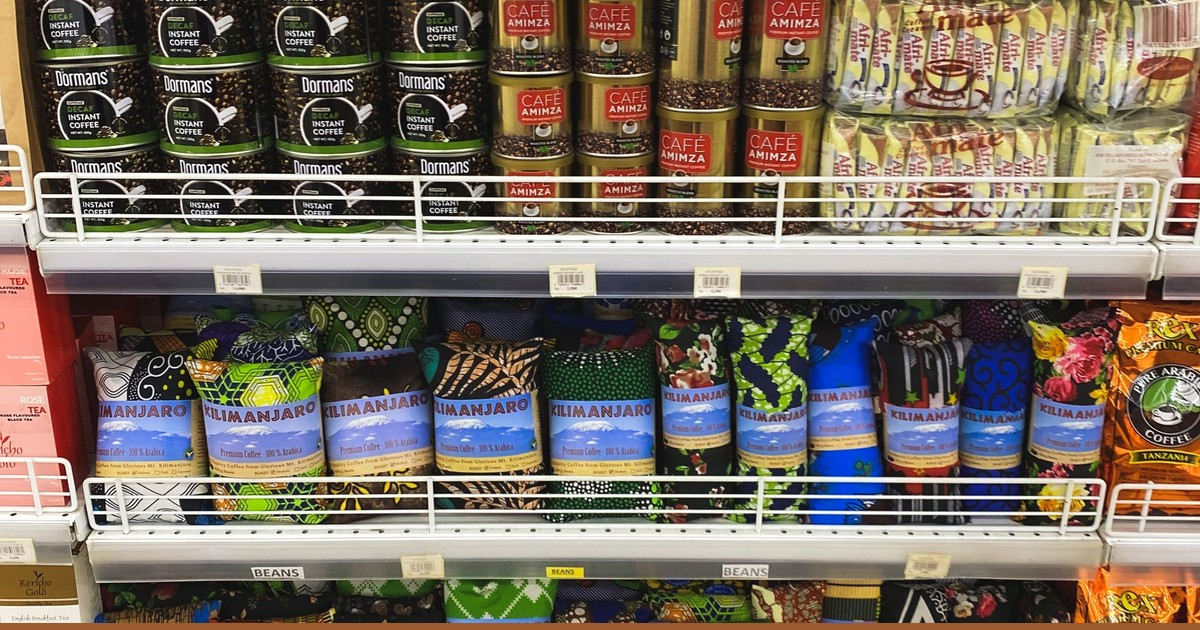
A supermarket shelf gives you a dozen brands, mostly blends, mostly medium and dark. A subscription service gives you hundreds of coffees from many roasters, and most will pick for you based on how you brew and what you like.
That matters more than it sounds. Tasting a washed Ethiopian next to a natural Brazilian is how most people work out what they actually enjoy. You rarely get that chance in a grocery aisle.
Winner: subscription, with one caveat: if you already know your favourite bag, choice does not help you much.
Round 4: Convenience
Subscriptions remove the “we are out of coffee” morning. Trade lets you set deliveries every one, two, three, four or six weeks, or every 10 days, and change things up to two days before the next order. Peet’s, Atlas and most others offer something similar.
The supermarket has its own convenience: no account, no schedule, no box on the porch while you are away for a week. If your coffee use swings a lot, that freedom is worth something.
Winner: subscription for steady drinkers, supermarket for anyone whose routine changes week to week.
Round 5: Waste and stale coffee
The quiet downside of a subscription is the pile. Set the schedule too tight and bags start stacking up, and by the time you open the third one it is past its best. Match the delivery gap to how fast you actually finish a bag, and adjust after the first month.
Either way, how you store the beans decides how long they stay good. Keep them sealed, away from air, heat and light, and only grind what you are about to brew. Our guide to storing coffee beans covers the freezer option for big bags.
Winner: supermarket, narrowly. Buying one bag at a time makes it hard to end up with stale coffee.
If you buy at the supermarket: Kicking Horse Three Sisters
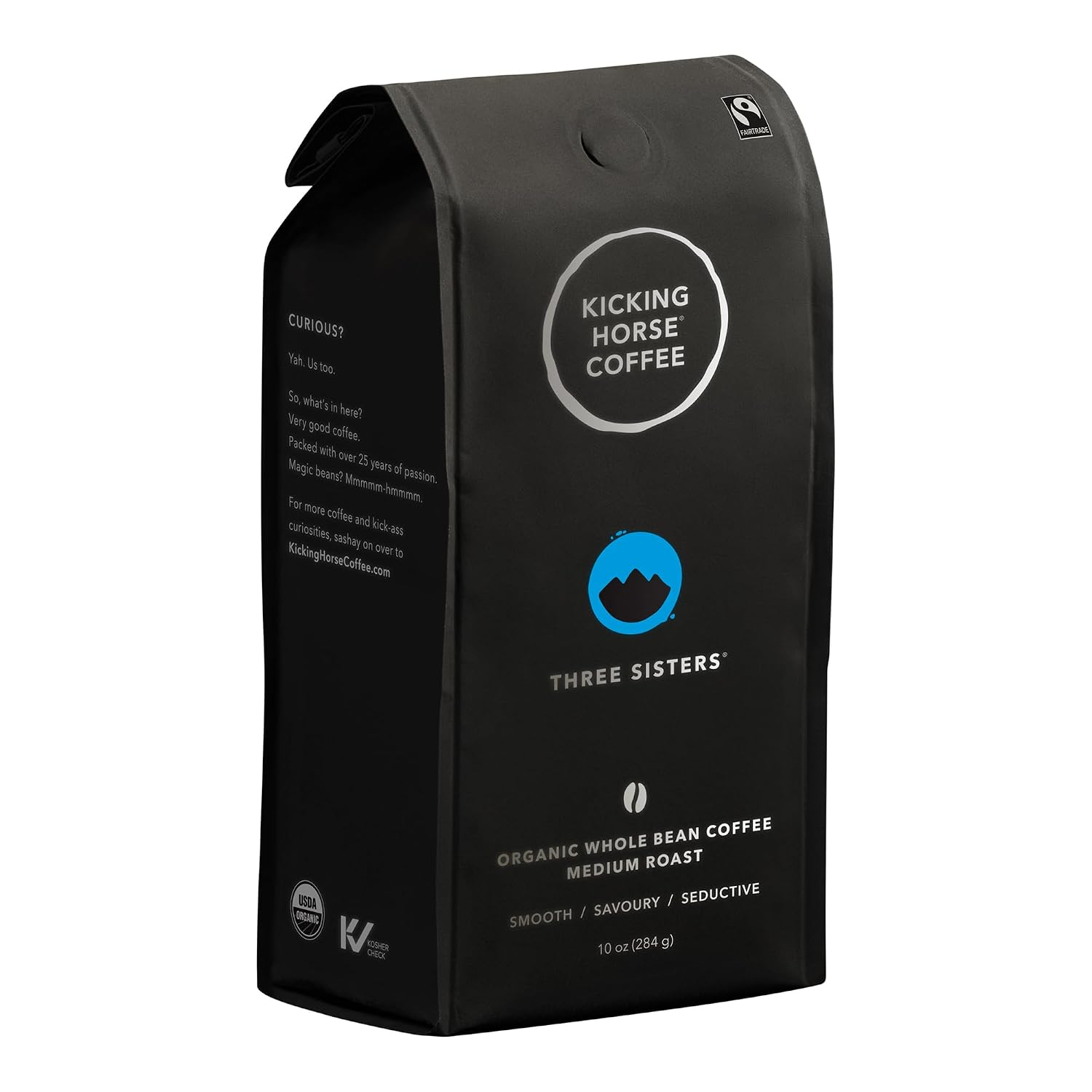
If the grocery store is where you buy coffee, pick whole beans with a date you can decode. Three Sisters fits. Kicking Horse lists Central and South American beans with notes of stone fruit and cocoa, and it is Fairtrade, organic and kosher.
It is a forgiving medium roast that works in drip, French press and espresso. Check the best-before date on the back and do the 18-month maths before you buy.
A grocery-store bean you can date. Three Sisters is also sold on Amazon, which helps if your store runs out.
See Three Sisters on Amazon →If you subscribe: store the bigger bags properly
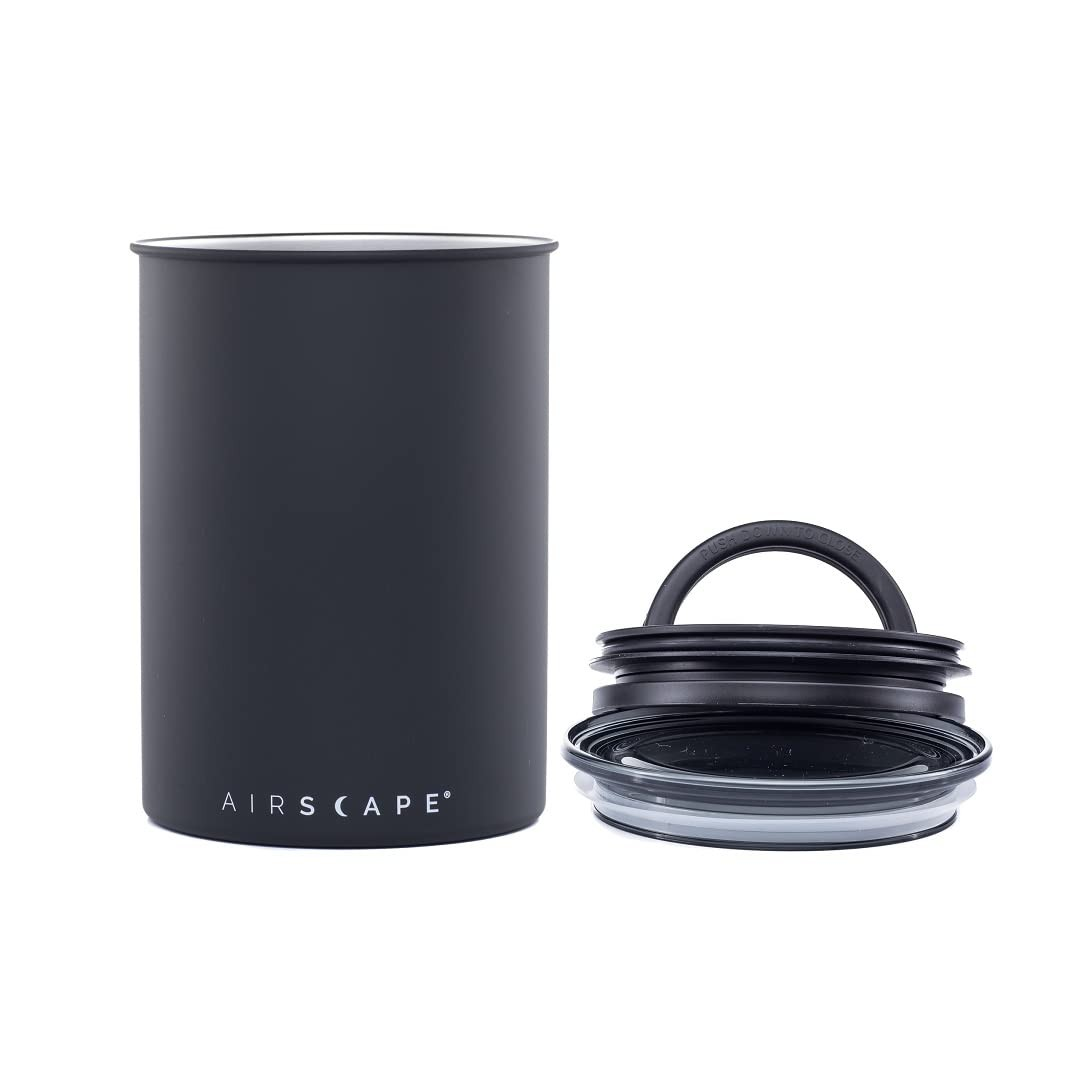
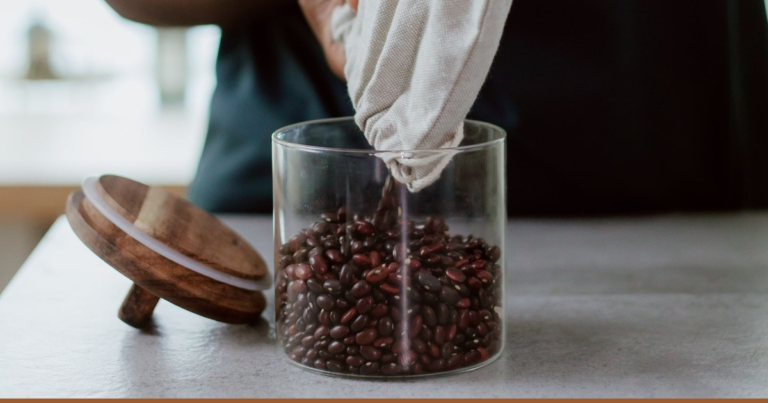
The best value on most subscriptions is the 2 lb bag, and that is also the size most likely to go stale. Split it: keep about a week’s worth in a good canister and freeze the rest in sealed portions.
The Airscape uses an inner plunger lid that you push down onto the beans to squeeze the air out. The 500 g size holds about a pound of whole beans. Pair it with a Greater Goods coffee scale so you can weigh out portions for the freezer and for each brew.
Big bags, less staleness. The plunger lid leaves almost no air above the beans.
Check the Airscape Price →The verdict
If coffee is a daily pleasure and you go through at least a bag every two or three weeks, a subscription wins: fresher beans, more variety, and a price per mug that is close to good supermarket coffee once you move to the bigger bags.
If you drink coffee mostly for the caffeine, your use is irregular, or you just like picking a bag off the shelf, stay at the supermarket. Buy whole beans, check the date, and choose brands that tell you when they roasted.
Many people end up doing both: a subscription for the weekday bag and the occasional grocery-store pick when they run short. If you are still learning what all those words on the bag mean, our guide to reading coffee labels is the next stop.