Light vs Dark Roast: Caffeine and Flavor Myths
Stand in the coffee aisle long enough and you will hear someone say they buy dark roast “because it has more caffeine”. Someone else will say light roast is the strong one. A third person swears their oily beans are the freshest on the shelf.
Most of what people believe about roast level is half right at best, and a few of those beliefs quietly cost money or make worse coffee. Here are six common myths, what is actually going on, and what to buy or change instead.
Disclosure: Espresso at Home is reader-supported. As an Amazon Associate we earn from qualifying purchases, at no extra cost to you.
Myth 1: Dark roast has more caffeine
The claim: dark roast tastes stronger, so it must have more caffeine.
The reality: caffeine barely changes during roasting. Seattle Coffee Gear puts it plainly: caffeine is stable at roasting temperatures and does not burn off in any meaningful amount. What changes is the bean. Darker roasts lose more moisture and mass and puff up, so a dark bean weighs less and takes up more space than the same bean roasted light.
That is why the answer depends on how you measure. America’s Test Kitchen roasted one batch of green beans two ways and sent the brewed coffee to a lab. Measured by volume, the light roast pot had 60 percent more caffeine. Measured by weight, the two pots came out virtually the same, even though it took 2 1/2 more tablespoons of dark roast to reach the same weight.
So if you scoop, light roast gives you more caffeine. If you weigh, it is close to a tie.
Myth 2: Dark roast makes “stronger” coffee
The claim: if you want a strong cup, buy the darkest bag.
The reality: “strong” means two different things. Dark roasts taste bolder: more bitterness, smoke and bittersweet chocolate. But how strong your coffee is, in the sense of how concentrated it is, comes down to how much coffee you use for the water. Kicking Horse, a roaster known for dark roasts, says the same: if you want more kick, add more coffee.
If you like the taste of dark roast, great. Just do not pick it for caffeine, and do not expect it to fix a weak brew ratio.
If you love bold and dark: Kicking Horse Kick Ass
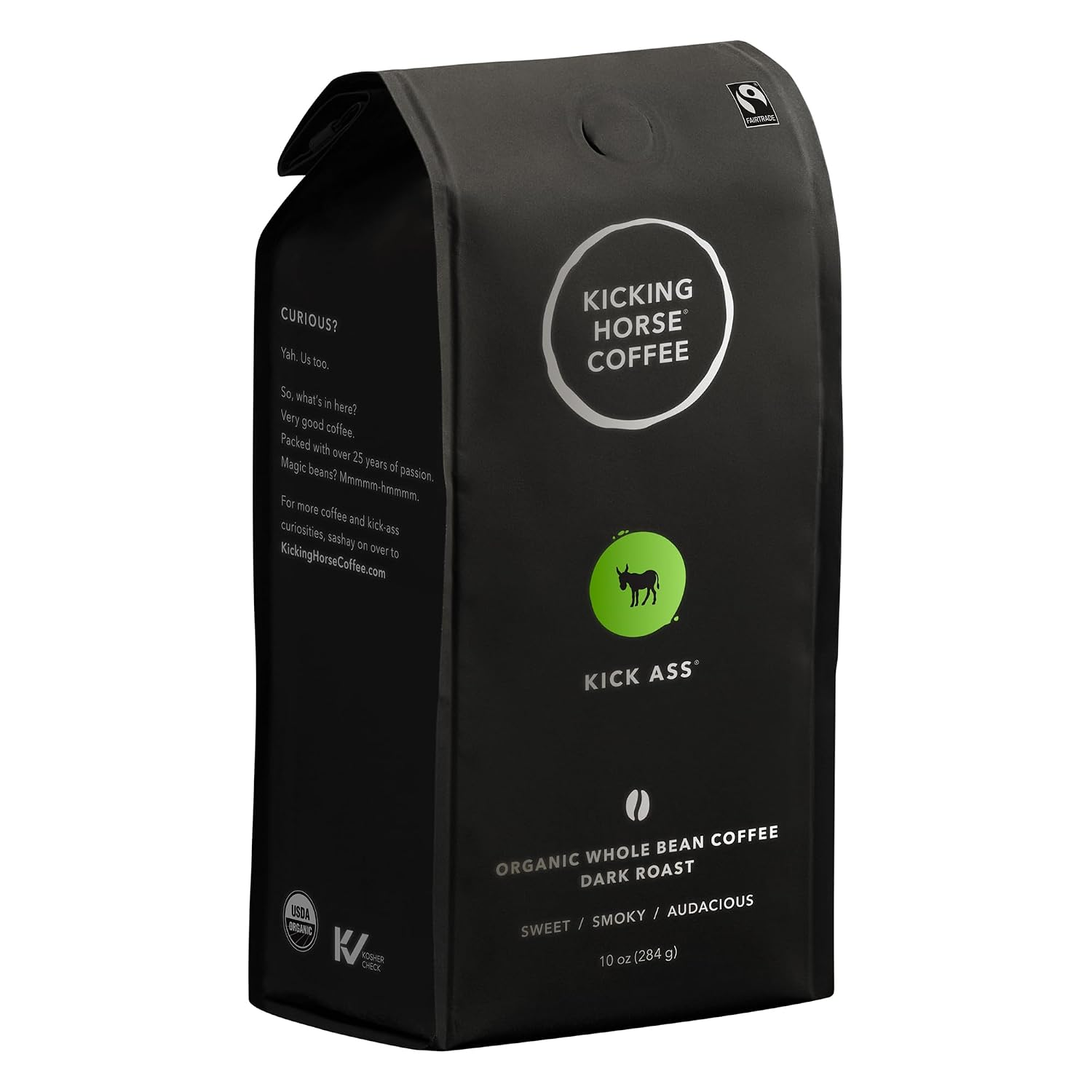
Kick Ass is a good example of what dark roast does well. Kicking Horse lists tasting notes of chocolate malt, molasses and licorice with an earthy finish, and it is certified organic, 100 percent Arabica and sold as 10 oz of whole beans. It holds up well in milk drinks and a French press.
Like your coffee dark and heavy? Buy it for the flavour, not the caffeine.
Check Kick Ass on Amazon →Myth 3: The fix for a weak cup is a darker roast
The claim: your coffee tastes thin, so switch to a darker bag.
The reality: weak coffee is almost always a dose problem. Scoops are a terrible measuring tool because dark beans are lighter and bulkier than light ones, so the same scoop holds a different amount of coffee depending on the bag you opened. Switch to grams and the problem usually disappears. We cover the details in why grams beat scoops.
The cheapest fix: Greater Goods Coffee Scale
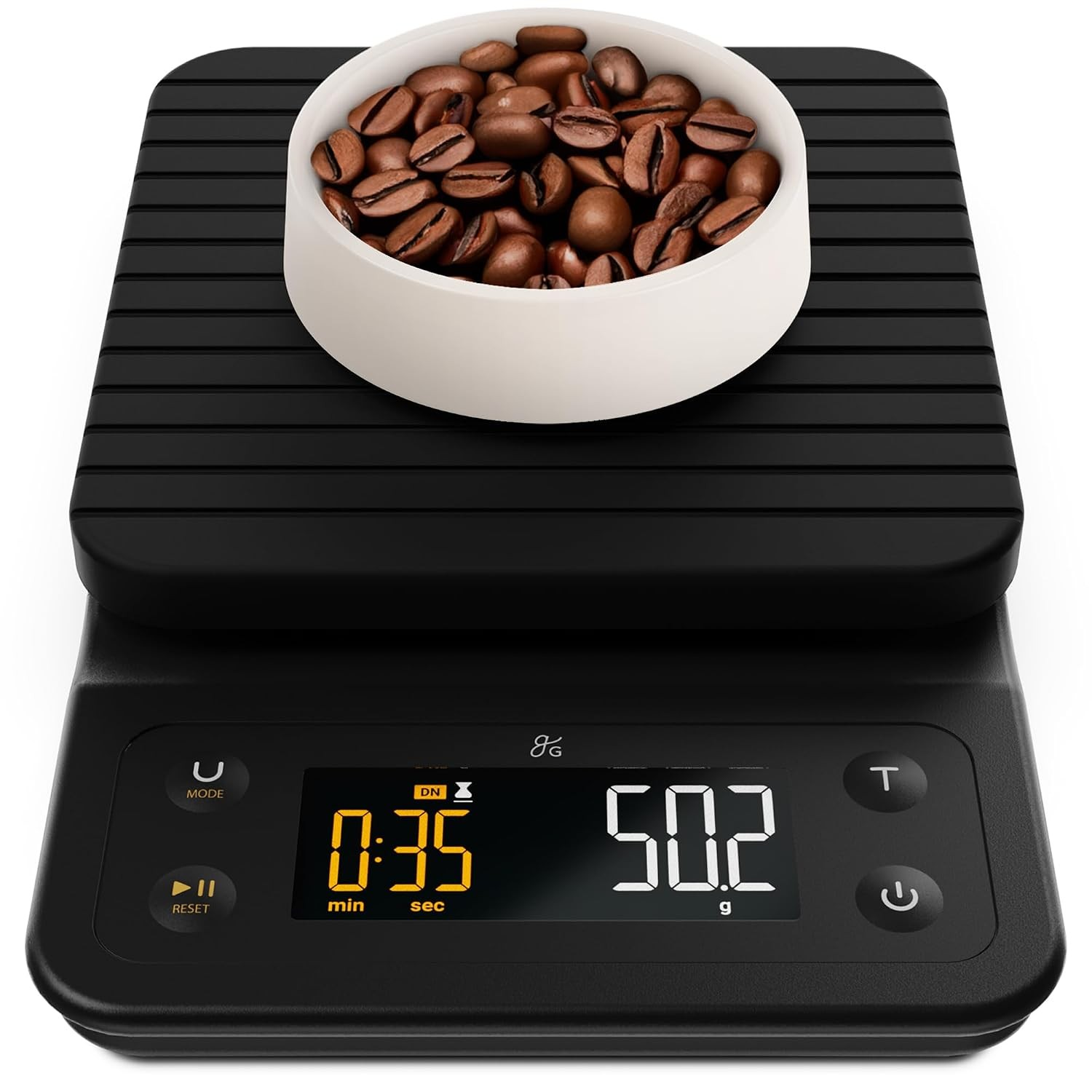
A 0.1 g scale with a timer takes the roast-level guesswork out of every brew. The Greater Goods scale has a count-up and count-down timer, a removable silicone cover and a dual-colour display that keeps weight and time apart. Weigh your beans and your water, and switching roasts stops changing your cup by accident.
Stop guessing with the scoop. It was about $30 on Amazon last time we checked.
See the Greater Goods Scale →Myth 4: “Medium roast” means the same thing on every bag
The claim: roast labels are standard, so a medium is a medium.
The reality: there is no standard. Seattle Coffee Gear’s roast guide notes that every roaster defines light, medium and dark differently, and a “dark” from a specialty roaster can be lighter than a “medium” from a commercial brand. The only objective measure is an Agtron colour reading, from 0 (very dark) to 100 (very light), and most roasters do not print it.
Labels are still useful within one roaster’s range. So when you find a roaster you like, try their light, medium and dark side by side rather than assuming their “medium” matches someone else’s.
A safe middle: Kicking Horse Three Sisters
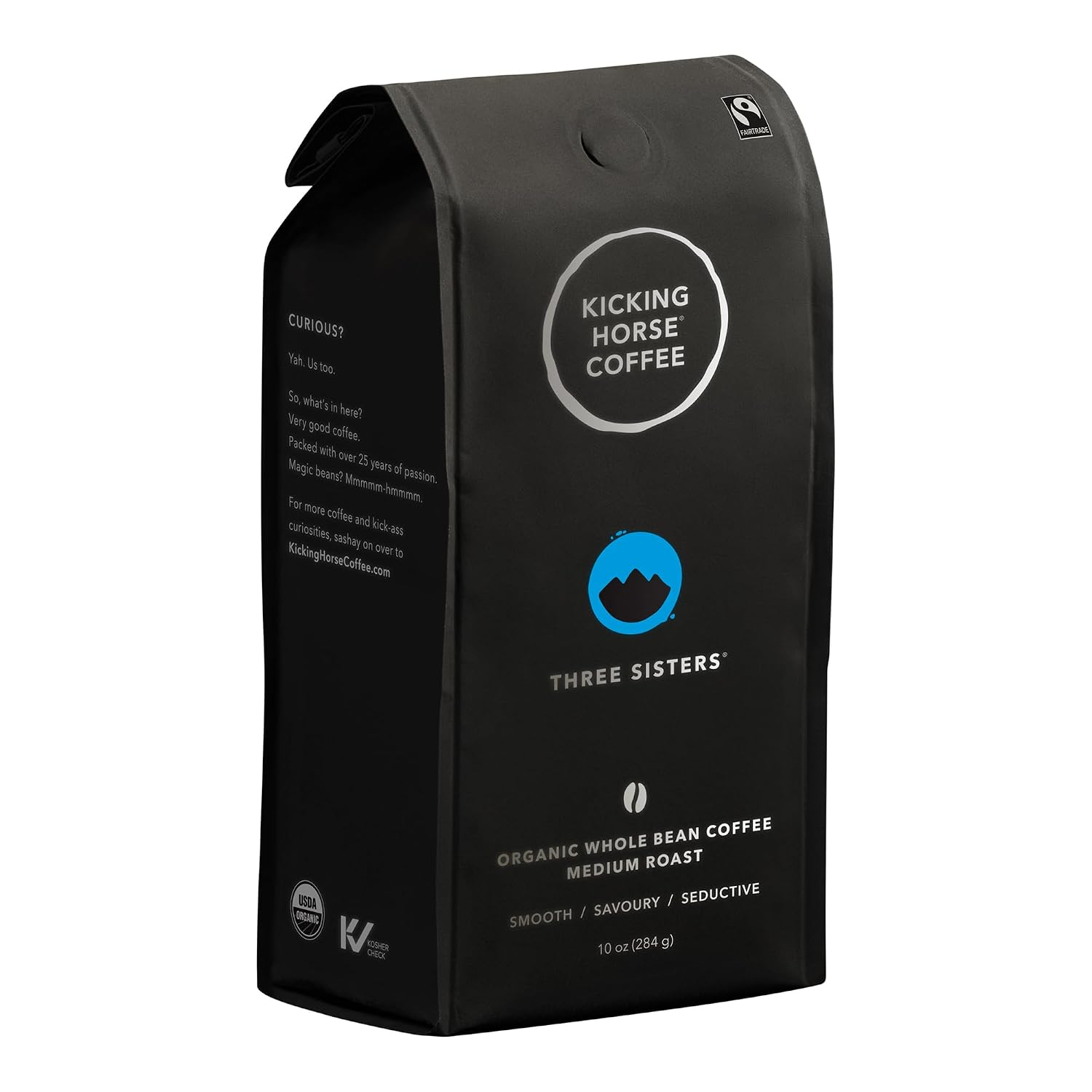
Three Sisters is the medium roast from the same roaster as Kick Ass, which makes the pair a simple way to taste what roast level does when the roaster stays the same. Kicking Horse describes it as well-rounded, with notes of stone fruit and cocoa. Medium roasts are also the most forgiving across brewers, from drip to espresso.
Not sure where you sit on the roast scale? Try a medium next to a dark from the same roaster.
Check Three Sisters on Amazon →Myth 5: Oily beans are the freshest
The claim: shiny, oily beans are fresh and full of flavour.
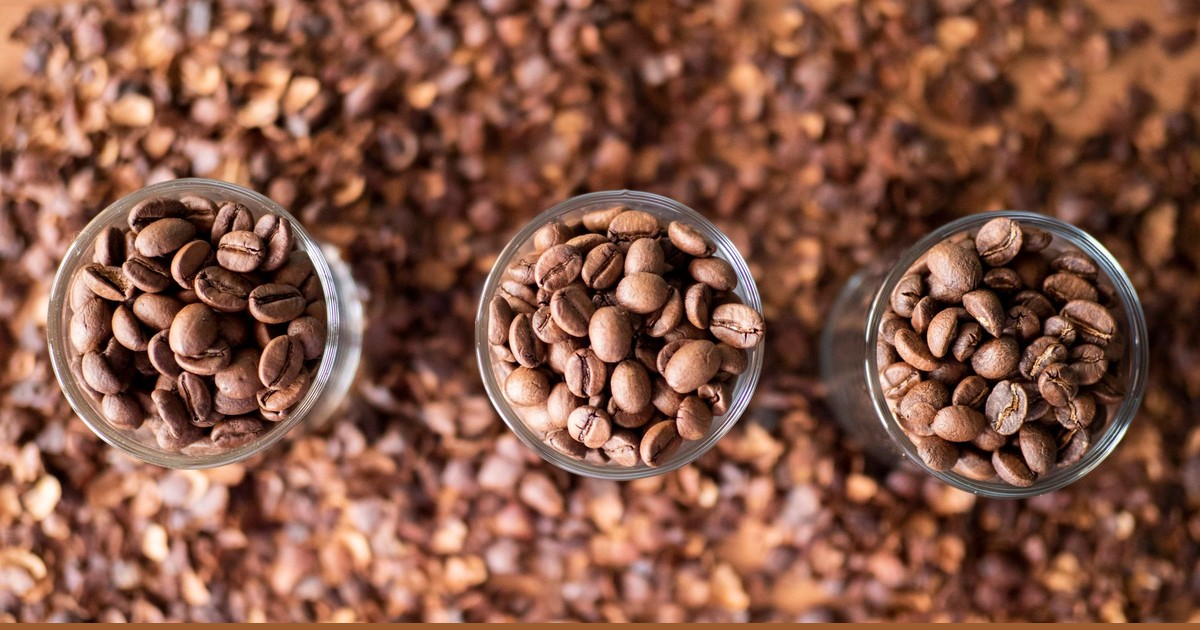
The reality: oil on the surface is mostly a sign of roast level, not freshness. Dark roasts are taken into or past second crack, and the broken-down cell structure lets oils come to the surface. A fresh light roast will look dry and matte, and that is normal.
Oily beans have a practical downside too. Seattle Coffee Gear’s repair shop says very dark, oily beans are a common cause of clogged grinders in super-automatic machines, because the oil builds up in the hopper and grinder. If you own a bean-to-cup machine, choose a drier roast, and check the roast date on the bag for freshness instead of the shine.
Myth 6: Espresso has to be dark roast
The claim: real espresso is made with dark beans.
The reality: dark roasts are traditional for Italian-style espresso, and they extract easily, which makes them forgiving. But medium roasts make excellent espresso, and many specialty cafés pull light roasts as espresso too. Lighter roasts are harder to extract well, so expect to grind finer and adjust more as you dial out sourness.
The real trade-off is flavour. Light roasts keep more of the origin character: the fruit, florals and acidity that come from where and how the coffee was grown. Dark roasts replace much of that with the taste of the roast itself, so two dark roasts from very different countries taste more alike than two light ones would.
If you have only ever had dark roast, buy one bag of light roast and brew it with care. Browse light roast whole beans on Amazon and look for a recent roast date.
A quick cheat sheet
| Question | Light roast | Dark roast |
|---|---|---|
| Caffeine by weight | Marginally more | Marginally less |
| Caffeine by scoop | Clearly more | Less (beans are bulkier) |
| Flavour | Bright, fruity, origin-led | Bold, bitter-sweet, roast-led |
| Surface oil | Dry, matte | Often shiny |
| Ease of brewing | Less forgiving | Extracts easily |
| Best with milk | Can taste thin | Holds up well |
The bottom line
Pick a roast for flavour, not for caffeine, and measure by weight so switching bags does not change your cup by accident. If you want more kick, use more coffee. If you want a new flavour, try a lighter roast with a little more care in the brewing. And if you run a super-automatic, keep the very oily beans for another brewer.
Want to keep whichever roast you choose tasting fresh? Read our guide to storing coffee beans, and if caffeine is the real worry, see decaf that does not taste like decaf.
Roast level is only one line on the bag. Our guide on how to buy coffee beans and read the label covers the rest.