Espresso Machine Myths Beginners Believe
Buying a first espresso machine means walking into a cloud of half-truths. The box shouts about 20 bar. A friend swears by thick crema. A forum thread says you have to lean your whole body weight on the tamper. Some of it is old café lore, some of it is marketing, and a little of it is simply wrong.
None of these myths is harmless, because each one nudges you toward spending money in the wrong place or chasing the wrong result. Here are the eight we hear most, what is actually true, and where a specific machine or grinder makes the point.
Disclosure: Espresso at Home is reader-supported. As an Amazon Associate we earn from qualifying purchases, at no extra cost to you.
The short version
| Myth | Reality | Example |
|---|---|---|
| More bar is better | About 9 bar at the puck is the target | 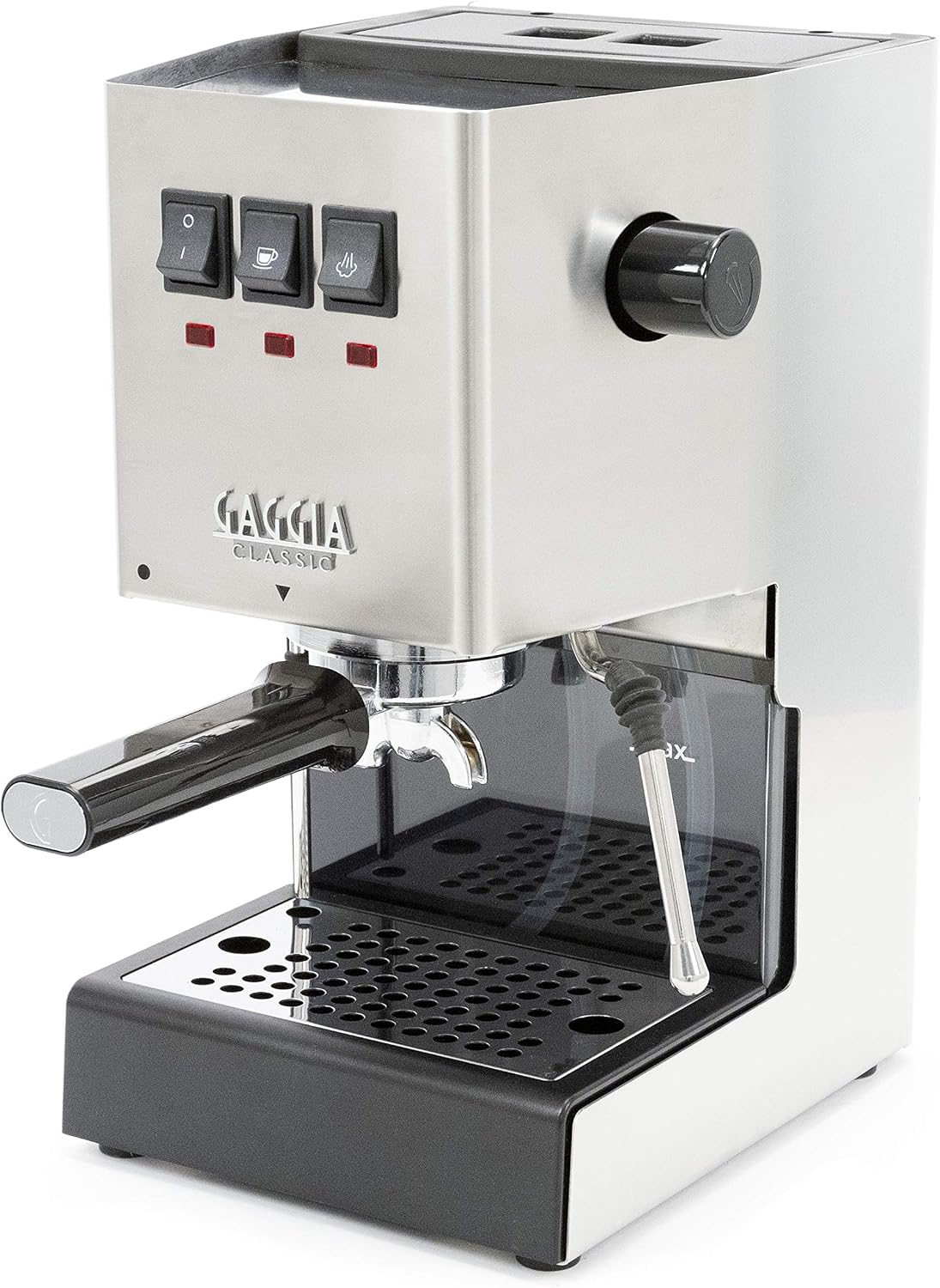 Gaggia Classic E24 |
| Thick crema means a great shot | Crema mostly tells you the beans are fresh | Taste, not foam |
| The machine matters most | The grinder does more of the work | 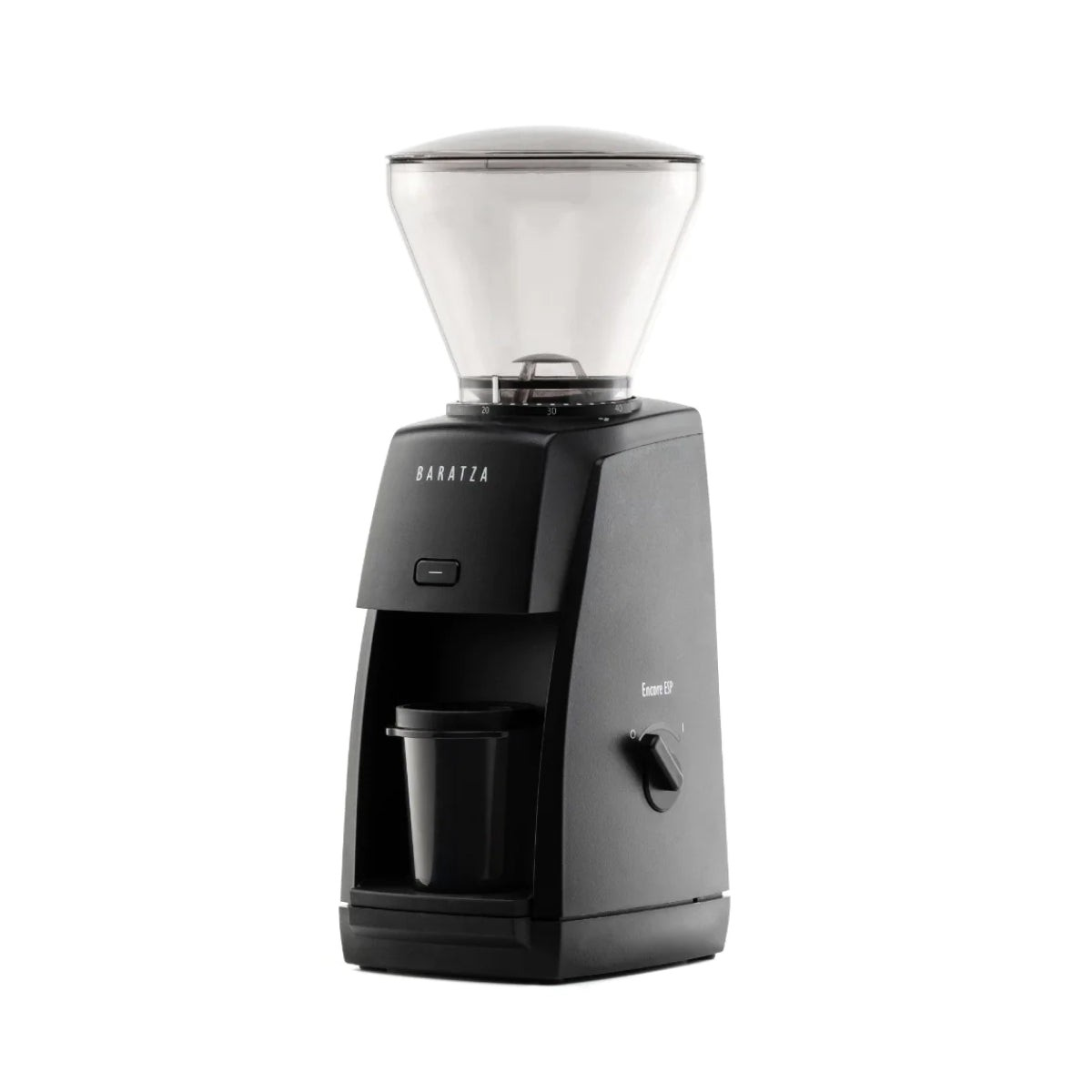 Baratza Encore ESP |
| Milk drinks need a big machine | A small machine can steam well for one or two drinks | 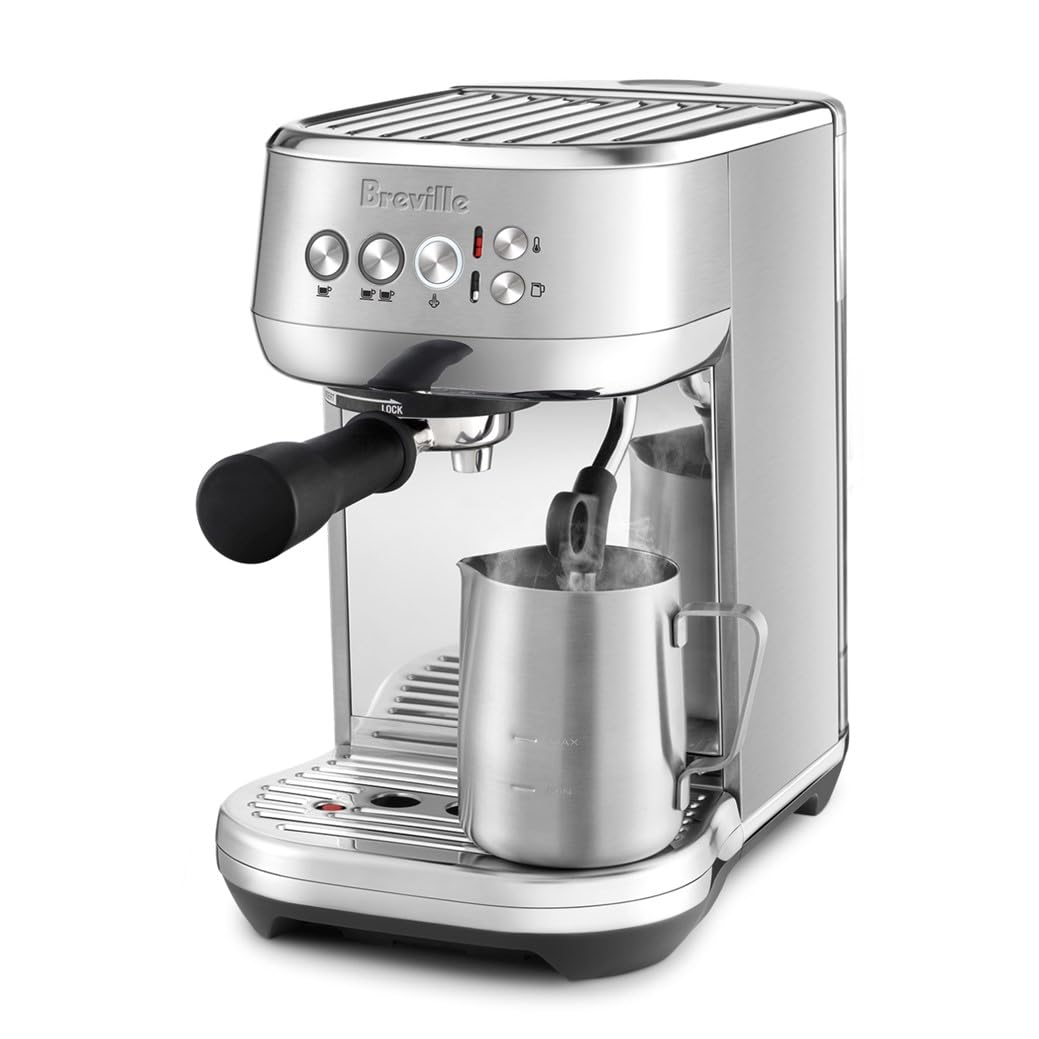 Bambino Plus |
| You need espresso roast | Any roast works once you dial in | Buy what you like |
Myth 1: More bar means better espresso
The claim: a 20 bar machine pulls better shots than a 15 bar one. The reality: espresso is brewed at around 9 bar. Clive Coffee points out that professional and prosumer machines are designed around 9 bar, and that most vibration-pump machines are rated at a 15 bar maximum that is held down by an expansion valve. CoffeeGeek calls the big numbers on the box what they are: the pump's maximum, not the pressure at the coffee.
Too much pressure does not help anyway. Clive says pushing more through the puck can cause channeling, where water finds a crack and rushes through it, leaving the rest of the coffee under-extracted.
The Gaggia Classic E24 is a good example of the right priorities. Per Whole Latte Love's listing, its pressure valve is set for 9 bar extractions, and it pairs that with a brass boiler and a 58 mm portafilter. It was $449.76 on Amazon when we checked.
Nine bar, not marketing bar. A traditional single boiler that is built to be learned on.
Check the Gaggia Classic Price →Myth 2: Thick crema means a great shot
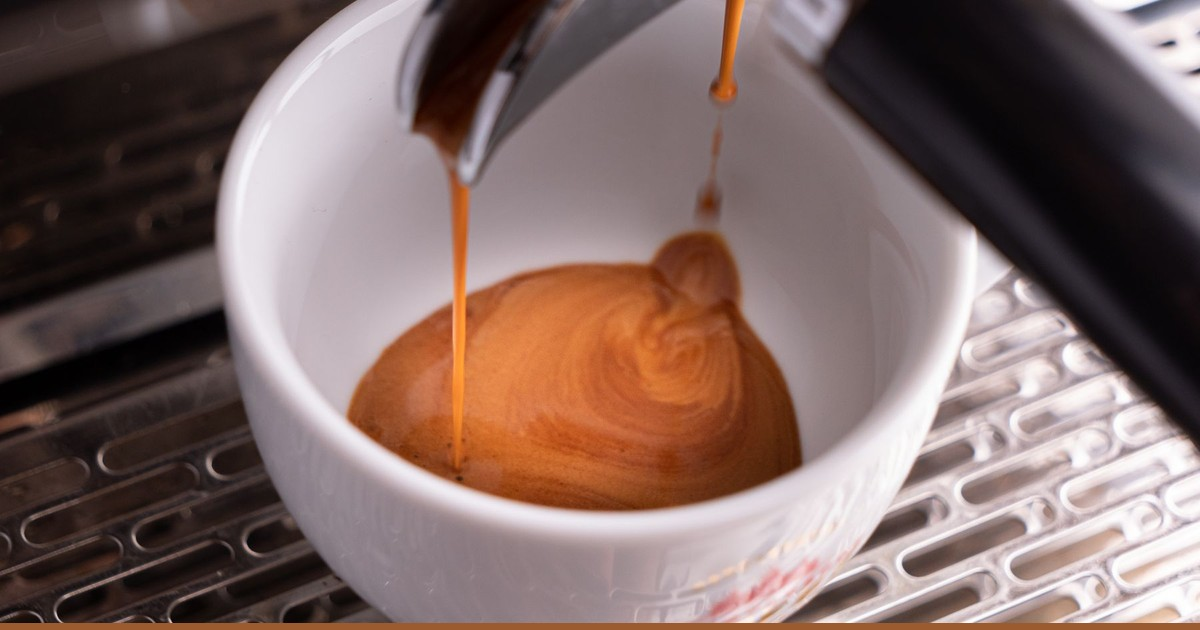
Crema is the reddish-brown foam on top of a shot, and it photographs beautifully. Clive's verdict is blunt: it mostly tells you the coffee is fresh and still holding carbon dioxide. It says nothing reliable about extraction or taste, and on its own it is bitter.
This myth is also why many entry machines ship with pressurized (dual-wall) baskets. They whip up a foamy layer from almost any coffee, even stale pre-ground. That looks reassuring, but it hides what is going on. If your machine came with both kinds, learn on the standard single-wall basket once you have fresh beans and a proper grinder.
Judge a shot by tasting it. Sour usually means under-extracted, bitter and harsh usually means over-extracted. Our sour or bitter troubleshooting guide walks through the fixes.
Myth 3: The machine matters more than the grinder
This is the expensive one. People spend almost everything on a shiny machine and grind with whatever they already own. Clive suggests putting at least a third of your total budget into the grinder, and CoffeeGeek argues that a modest machine with a good grinder beats the reverse.
The reason is simple. The machine pushes hot water through a puck. The grinder decides whether that puck is even, and whether you can make the small adjustments that turn a sour shot into a sweet one. Plenty of grinders made for drip coffee cannot go fine enough at all. We go deeper in why your grinder matters more than your machine.
A sensible starting point is the Baratza Encore ESP. Its settings 1 to 20 are spaced for espresso, and Baratza lists it at $199.95. We could not find it sold directly on Amazon, so the button below is a search.
Spend where it shows up in the cup. Make sure the listing says ESP before you buy.
Search the Encore ESP →Myth 4: You need a big machine for milk drinks
Big dual boiler machines steam milk while they brew, and for a household making four lattes in a row that is useful. For one or two milk drinks a day it is overkill. Our boiler types explainer goes through when each design makes sense.
The Breville Bambino Plus shows how far a small machine has come. Breville's ThermoJet heater is ready in about three seconds, it has PID temperature control and low-pressure pre-infusion before 9 bar extraction, and the automatic steam wand offers three temperatures and three texture levels. Its limit is that it cannot pull a shot and steam milk at the same time. Breville lists it at $499.95.
Lattes on a small counter. Press steam, walk away, come back to textured milk.
See the Bambino Plus on Amazon →Myth 5: You have to use an espresso roast
"Espresso roast" on a bag sounds official. Clive calls it a marketing term. Espresso was historically made with darker roasts because they were forgiving on older machines, but with a decent grinder and a temperature-stable machine, any roast level can make good espresso. Our light vs dark roast myths piece covers the flavor side.
Myth 6: Espresso has more caffeine than coffee
Per ounce, yes. Per cup, usually not. Mayo Clinic's caffeine chart lists a 1 oz espresso at 63 mg and an 8 oz cup of brewed coffee at 96 mg. A single-shot latte can have less caffeine than the mug of drip coffee next to it. A double shot is a different story, so count your shots if you are watching your intake.
Myth 7: Tamp with 30 pounds of pressure
The 30-pound rule gets repeated everywhere. Clive's take is that once the coffee stops compressing, more force does nothing. What matters is a level, consistent tamp. Press until you feel resistance, keep the tamper flat, and do it the same way every time. An uneven tamp causes uneven flow, which causes channeling.
Myth 8: A shot "dies" after 30 seconds
Some cafés once trained baristas to serve or mix a shot within 30 seconds. Clive says there is no scientific basis for it: real flavor change takes 10 to 30 minutes. At home you can pull your shot, steam your milk and still have a good drink. No need to rush.
What actually matters
Strip out the myths and the list is short: stable brew temperature, a standard basket, a grinder that can make fine adjustments, fresh beans and a routine you can repeat. If you are still shopping, start with what actually matters in a first espresso machine, then spend the time you saved on dialing in.
More guides
- Your First Espresso Machine: What Actually Matters
- Why Your Grinder Matters More Than Your Machine
- Single Boiler, Heat Exchanger or Dual Boiler, Explained
- Why Your Espresso Tastes Sour or Bitter: A Troubleshooting Guide
- Light vs Dark Roast: Caffeine and Flavor Myths