Cleaning a Burr Grinder Without Wrecking It
A burr grinder does not look dirty from the outside. Inside, every bean leaves a little oil and a fine dust of grounds on the burrs, in the chute and around the motor shaft. That oil goes stale, and stale oil makes fresh coffee taste flat and bitter. Old grounds packed into the chute can also start to change your grind.
Cleaning it is easy. Wrecking it while you clean it is also easy: water on the burrs, a handful of rice, or a burr put back in the wrong position. This is the safe way to do it, in the order you actually work, with the few tools that help.
Disclosure: Espresso at Home is reader-supported. As an Amazon Associate we earn from qualifying purchases, at no extra cost to you.
The short list
| Job | Tool | How often |
|---|---|---|
| Quick clean | 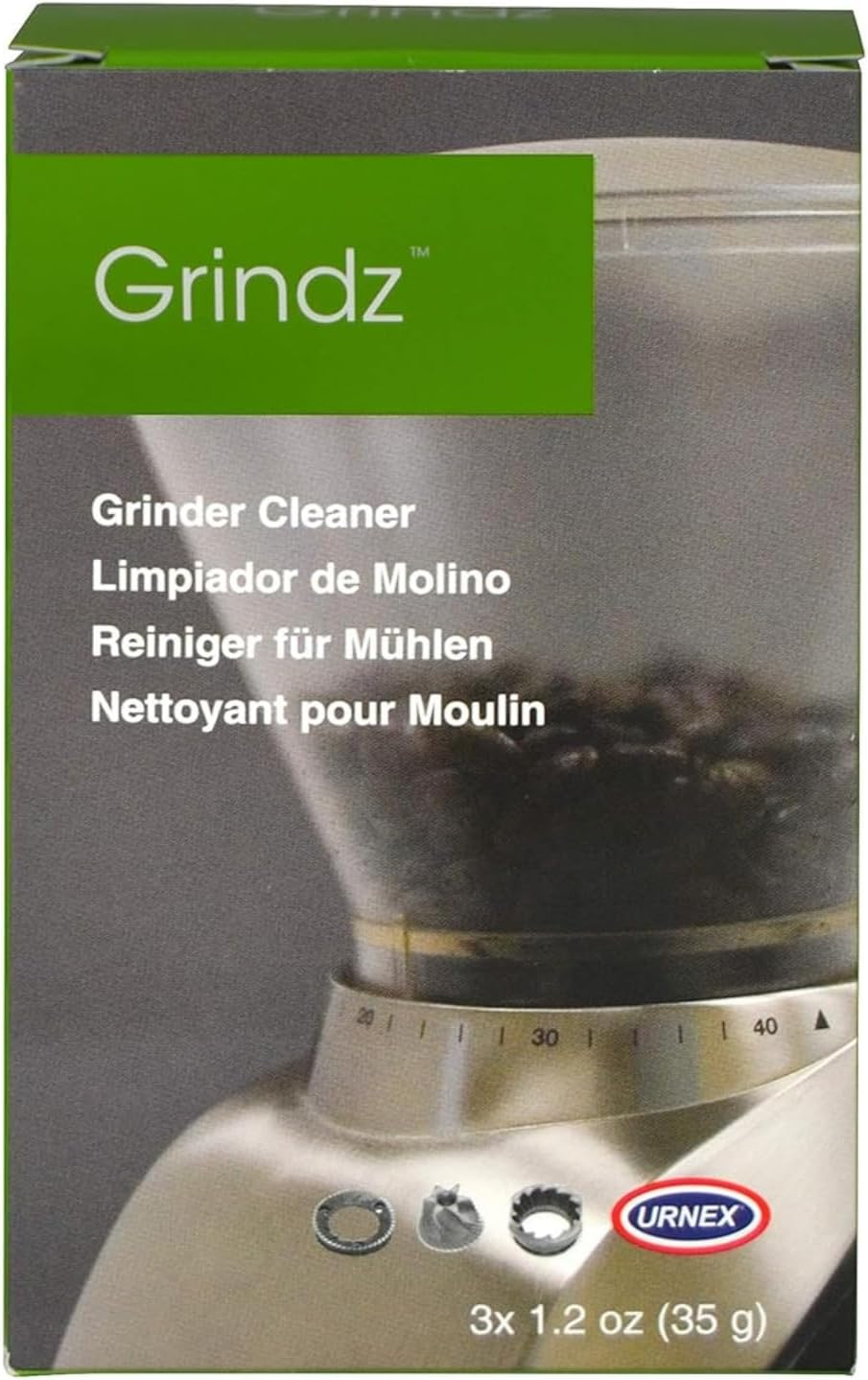 Urnex Grindz | About monthly |
| Brushing | 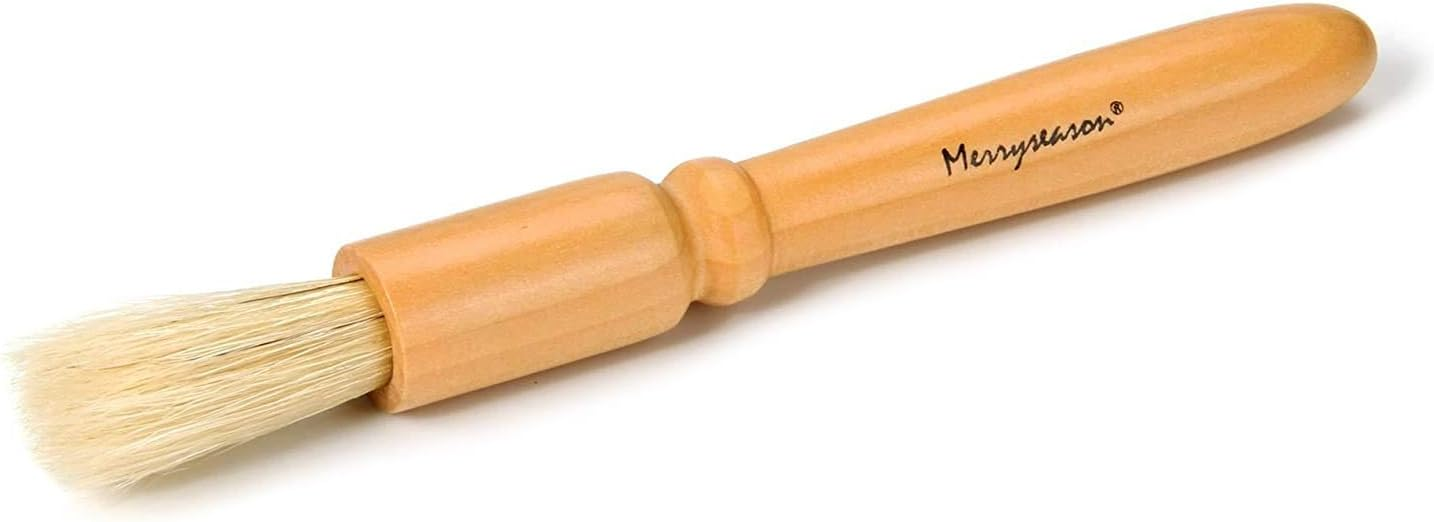 Grinder brush | Weekly, and at every deep clean |
| Blowing out fines | 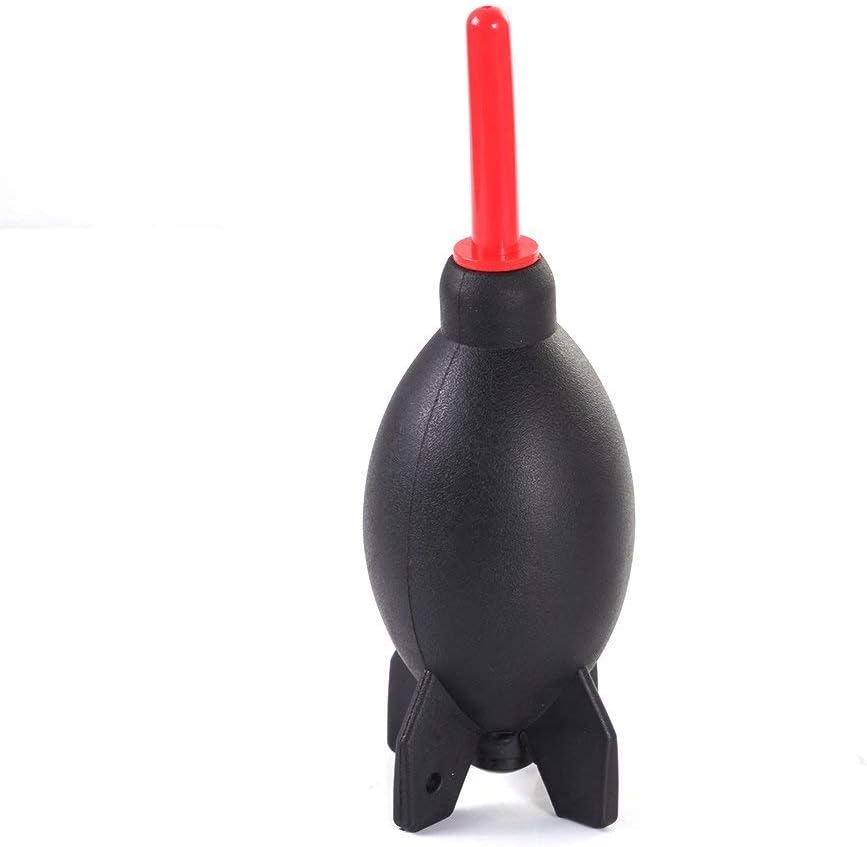 Giottos Rocket | At every deep clean |
| Deep clean | Your hands, a towel, a bowl | Every 1 to 6 months, depending on use |
How often your grinder needs it
Guides disagree a little, and that is fine, because the answer depends on how much and what you grind. Seattle Coffee Gear suggests brushing the hopper and chute weekly, a cleaning tablet run monthly and a full burr clean every three to six months, with espresso grinders needing more attention than drip grinders. Whole Latte Love calls every one to three months the conventional wisdom: about monthly with dark roasts, closer to quarterly with light roasts or light use. America's Test Kitchen says at least monthly if you drink two or three cups a day or use oily beans.
Dark, shiny beans are the big variable. Every guide we read agrees that oilier roasts mean more frequent cleaning.
Step 1: The monthly quick clean with tablets
Grinder cleaning tablets are food-safe granules you grind like coffee. They scrub oil and old grounds off the burrs and out of the chute without opening anything. Prima Coffee uses about a tablespoon on a medium-fine setting.
Afterwards, push some coffee through to clear the leftover crumbs. Seattle Coffee Gear grinds 20 to 30 g of beans you do not mind throwing away. America’s Test Kitchen keeps going until no more yellow powder comes out. Bin those grounds and you are done.
Five minutes, no screwdriver. A box of three packets was $13.49 on Amazon at our last check.
Check Price on Grindz →Step 2: Brush the hopper and chute
The chute, where grounds leave the burrs, is where stale coffee collects. Brush it out weekly and wipe the hopper. Prima suggests a wooden or plastic pick for anything packed in.
Any small, dry brush works, as long as it is kept for the grinder and never gets wet. Many grinders come with a brush in the box, and the Baratza Encore does.
A dedicated brush stays dry and clean. This one was $5.55 on Amazon when we checked.
View the Brush →Step 3: The deep clean
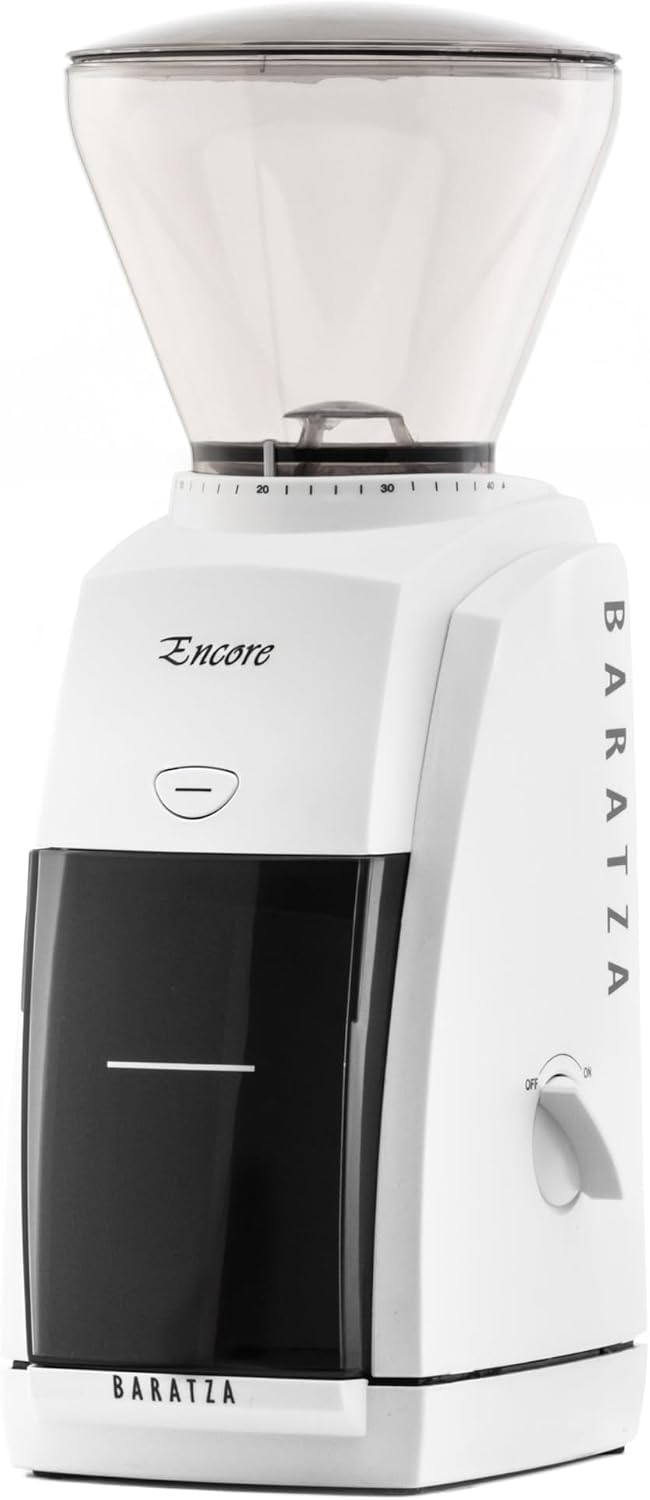
Every few months, take the burrs out. Here is how it goes on a Baratza Encore, following Whole Latte Love’s steps. Other grinders differ in the details, so keep the manual open.
- Empty the hopper and run the grinder until nothing more comes out.
- Unplug it. Every time, before your fingers go near the burrs.
- Remove the grounds bin, then turn the hopper counterclockwise and lift it off. Set the rubber gasket aside.
- Lift the ring burr straight up. Wiggle it gently if it sticks.
- Brush the ring burr on both sides.
- Brush the cone burr from the top, turn the grinder upside down and tap out loose grounds, then repeat.
- Wash only the plastic parts. Whole Latte Love washes the hopper and bin in warm, soapy water and the gasket gently, since it tears easily. Let everything dry fully.
- Reassemble by lining up the red mark on the ring burr with the red mark on the grinder.
Thinking of upgrading from a blade grinder? The white Encore is the model in these steps.
See the Baratza Encore →Step 4: Blow out the fines
Brushes push dust around; air moves it out. America’s Test Kitchen uses canned keyboard-style air on the burrs, and Whole Latte Love mentions a compressor as an option. A hand blower like the Giottos Rocket does the same job without cans to replace, and it is handy for clearing the chute and burr chamber between deep cleans too.
Prima suggests a vacuum hose for the burr chamber, but watch for small screws if you have taken anything apart.
Reusable air, no cans. The large black Rocket was $21.95 on Amazon when we last looked.
Check the Rocket Blower →Three ways people wreck a grinder
Washing the burrs
Every guide we checked says to keep water away from the burrs. Whole Latte Love points out that the Encore’s ring burr is not stainless and will rust. America’s Test Kitchen adds that any moisture left behind will spoil your grind. Prima allows a lightly damp cloth with mild soap on the hopper and bin, dried thoroughly, and nothing more.
Grinding rice
It is an old tip, and it is a bad one. America’s Test Kitchen says rice can damage burrs and the motor, its starch can clog the grinder, and it may void the warranty. Prima says rice is harder than coffee beans and notes that Baratza does not cover rice damage. Tablets do the same job without the risk.
Forgetting to recalibrate
Taking out the upper burr can shift your settings slightly, Prima warns. After a deep clean, grind 10 to 20 g of coffee to reseat things, then check a shot or a brew before you trust your old setting. On an espresso grinder, expect to dial in again. Our weekend walkthrough on dialing in a grinder covers how.
Hand grinders
The same rules apply: dry brush, air, no water on the burrs. Most hand grinders come apart easily, so unscrew the adjustment, brush the burrs and the inside of the body, and put it back together in the same order. If you travel with one, a quick brush every few days stops grounds from caking in the threads.
What to buy first
If you buy only one thing, make it the brush, or use the one that came with the grinder. A monthly tablet run is next. A blower is a nice-to-have. None of it costs much, and all of it is cheaper than new burrs.
Grinders are not the only thing that collects stale oil. If you also run an espresso machine, pair this with our backflushing routine and descaling guide.