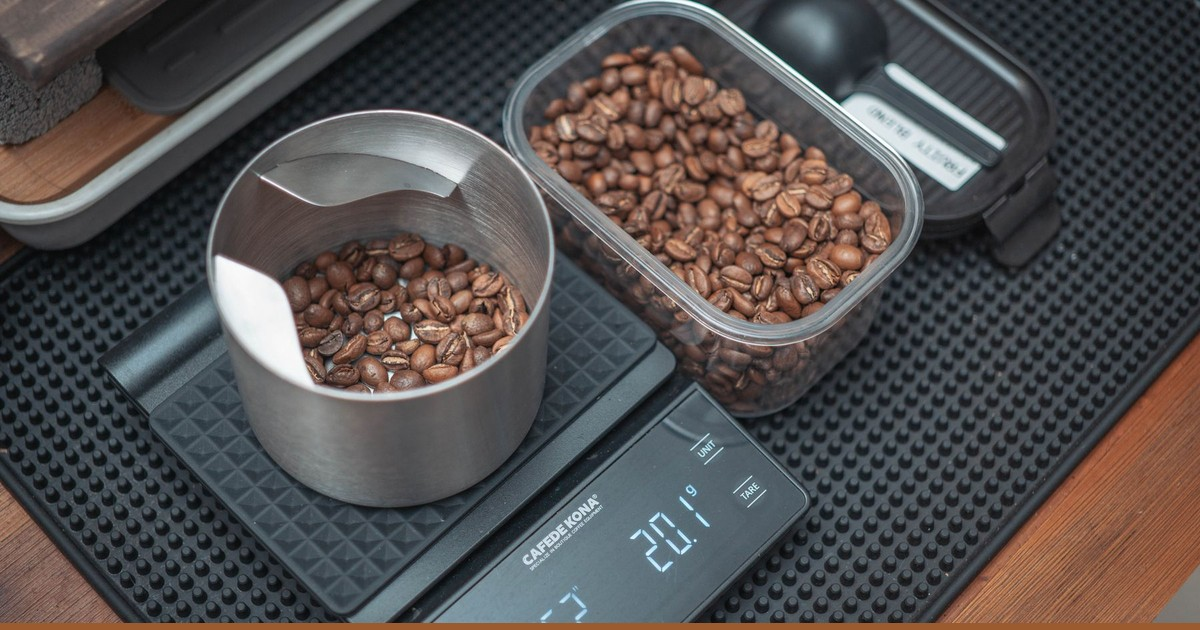
Single-Dosing at Home: Is It Worth It?
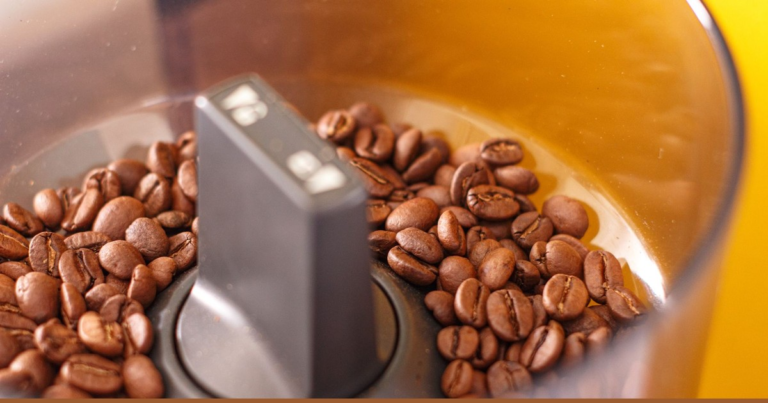
Look at most home grinders and you will see the same thing: a hopper half full of beans that went in last week, slowly going stale under a clear plastic lid. Then someone buys a new bag, and the old coffee and the new coffee end up mixed in the burrs for the next few shots.
Single dosing is the fix a lot of home baristas have landed on. You weigh out exactly one shot of beans, grind all of it, and keep everything else sealed. It sounds fussy. Sometimes it is. Here is what it really involves, what makes a grinder good at it, and who should bother.
Disclosure: Espresso at Home is reader-supported. As an Amazon Associate we earn from qualifying purchases, at no extra cost to you.
What single dosing actually means
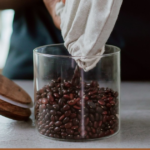
Clive Coffee describes it simply: leave the hopper empty, weigh each dose, and grind it straight through. The rest of the bag stays in an airtight container instead of sitting on top of the burrs. Seattle Coffee Gear puts it the same way: weigh the beans before you grind, and store the rest sealed.
That is the whole idea. What you put in is what you should get out, give or take whatever the grinder holds onto inside. That leftover coffee is called retention, and it decides whether single dosing works well on a given grinder.
Why people switch
Fresher beans
A hopper is a poor place to keep coffee. Beans in a sealed canister stay fresher than beans sitting under a lid next to a warm motor, which is the main reason Clive gives for single dosing. Perfect Daily Grind makes the same point about oxidation: grinding one dose at a time limits how much coffee is exposed to air.
Switching beans without waste
If you keep a dark roast for milk drinks and something lighter for straight espresso, single dosing makes swapping painless. There is no hopper to empty and no half-pound of beans to bag back up. Clive also notes that the same grind setting often gets you close across different coffees, so a switch is usually a small adjustment, not a full re-dial.
An exact dose every time
Because you weigh the beans first, you know the dose before the grinder starts. Pair that with a scale under the cup and every shot becomes a recipe you can repeat. Our guide to why grams beat scoops covers why that matters so much for espresso.
What it costs you
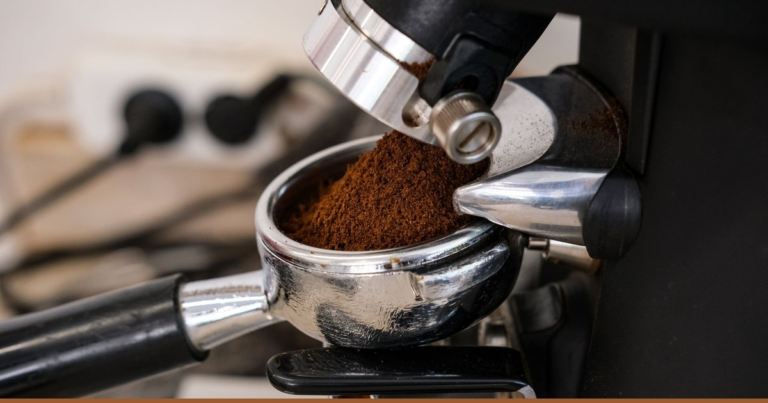
It adds steps. Seattle Coffee Gear is honest that single dosing is “a bit more work”: you weigh the beans, and most single-dose grinders are built to grind into a dosing cup rather than straight into the portafilter, so there is one more container to tip and tap.
Grinding with an empty hopper also changes how the beans behave. On some grinders the last few beans bounce around on top of the burrs instead of feeding in, which is often called popcorning. Clive mentions grinders designed to stop beans being knocked back up for exactly this reason. Static is the other annoyance: fine grounds can cling to the chute and the cup, which is messy on the counter.
And on a high-retention grinder, the numbers just do not add up. If the grinder keeps several grams inside, your 18 g dose comes out light and partly made of yesterday’s coffee. That said, Clive found that when the gap between shots is around 12 hours or less, the stale-grounds effect is negligible. A daily routine hides a lot of retention.
Specs that matter, and specs that do not
If you are shopping with single dosing in mind, the spec sheet reads differently. This is the short version.
- Retention matters most. Clive measured the Baratza Sette 270 at about 0.5 g and the Eureka Mignon Specialità at around 1.3 g, while some large commercial-style grinders held 4.5 g or more. Under about 1 g, you can weigh in and grind out without thinking about it.
- A short grind path helps. Grounds that drop straight out instead of travelling along a long chute leave less behind.
- A bellows or a tilted body. Seattle Coffee Gear says single-dose grinders often use one of these to push or drop the last grounds out.
- Stepless adjustment is nice, not essential. It lets you land exactly where you want for espresso, but plenty of stepped grinders single dose fine.
- Hopper size barely matters. You are only putting one dose in, so a big hopper is wasted.
- Flat or conical burrs matters less than you think. Clive calls the Specialità “a rare breed”: a flat-burr grinder with very low retention. Retention and design count more than burr shape for this job.
Can you single dose the grinder you already own?
Often, yes. Weigh a dose, grind it, and see what comes out. If the weight that lands in the cup is close to what went in, you are already set. If it comes out light, purge a second or two of grinding before each session and accept a couple of grams of waste. Clive notes that low-retention models need only “a minimal purge with a few grams.”
If you are still learning, the more useful step is to read our weekend walkthrough for dialing in a grinder first. Single dosing makes dial-in tidier, but it does not replace it.
Three good ways in, by type of home barista
Curious and on a budget: KINGrinder K6
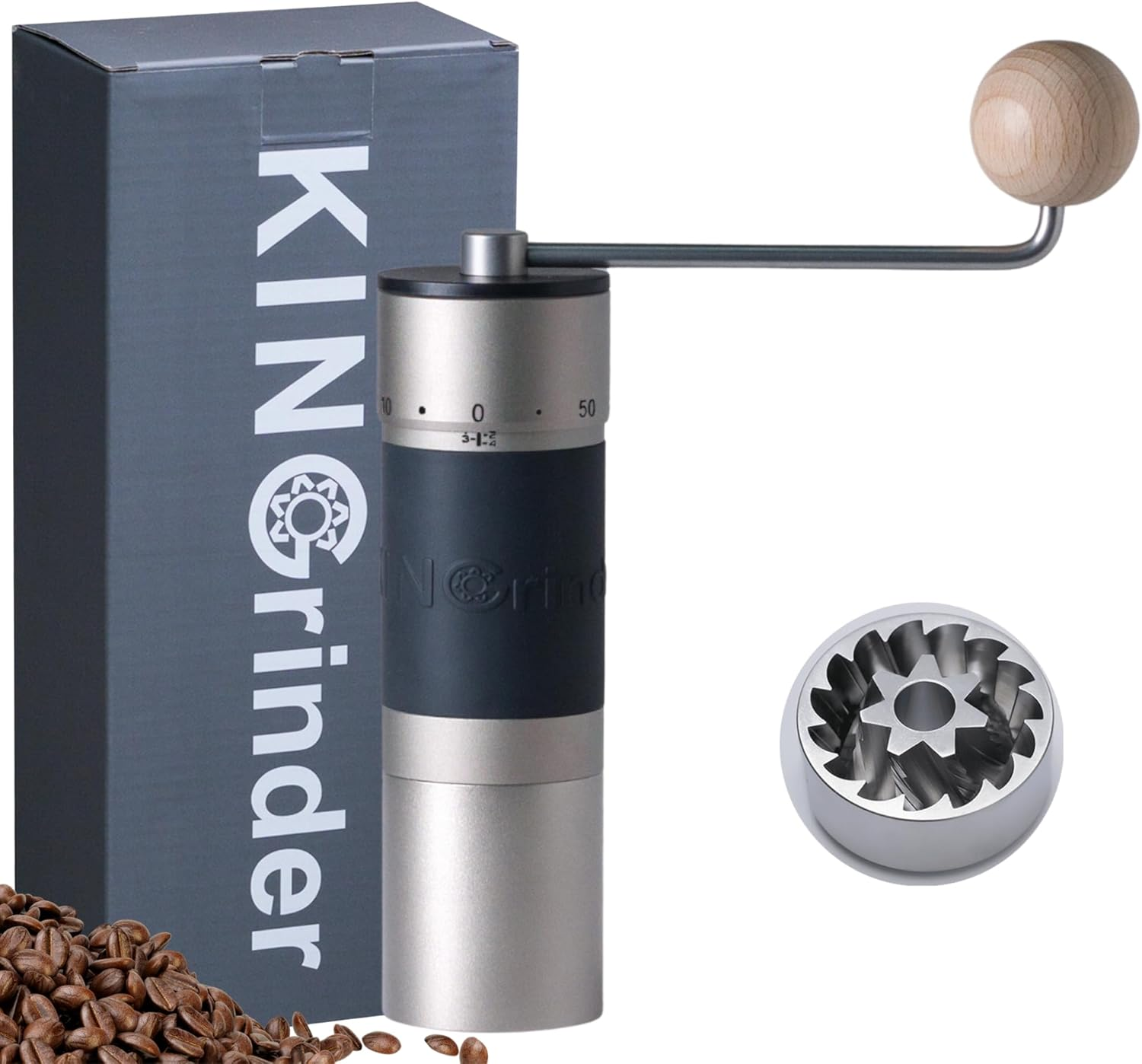
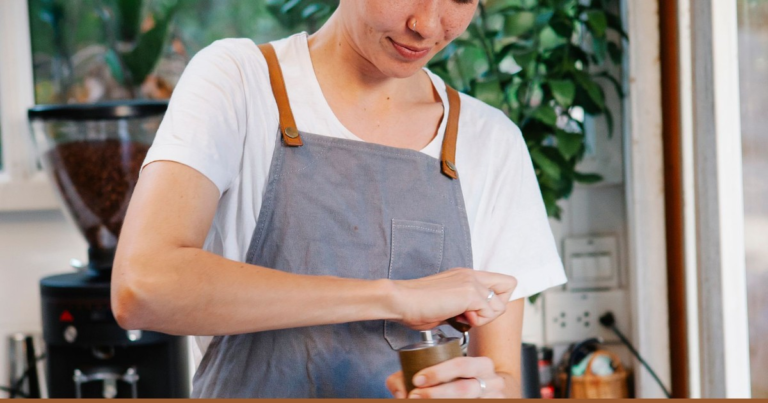
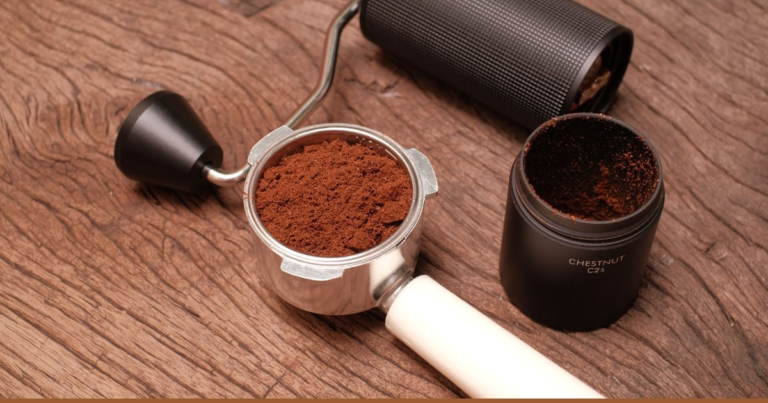
Every hand grinder is a single-dose grinder by nature. You load the beans you need, grind them all, and tip them out. It is the cheapest way to find out whether you like the routine before spending on an electric grinder.
The K6 is the one we would pick for espresso at home. Its adjustment ring sits on the outside, the listing gives 16 microns per click and 60 clicks per rotation, and it holds 25 to 35 g. It weighs 630 g, so it is a kitchen grinder that can travel, not the other way round. We covered it in more detail in our hand grinder guide.
Try single dosing for the price of a few bags of beans. The K6 was about $93 on Amazon when we last checked.
Check the K6 on Amazon →Ready for an electric grinder that lasts: Eureka Mignon Specialità
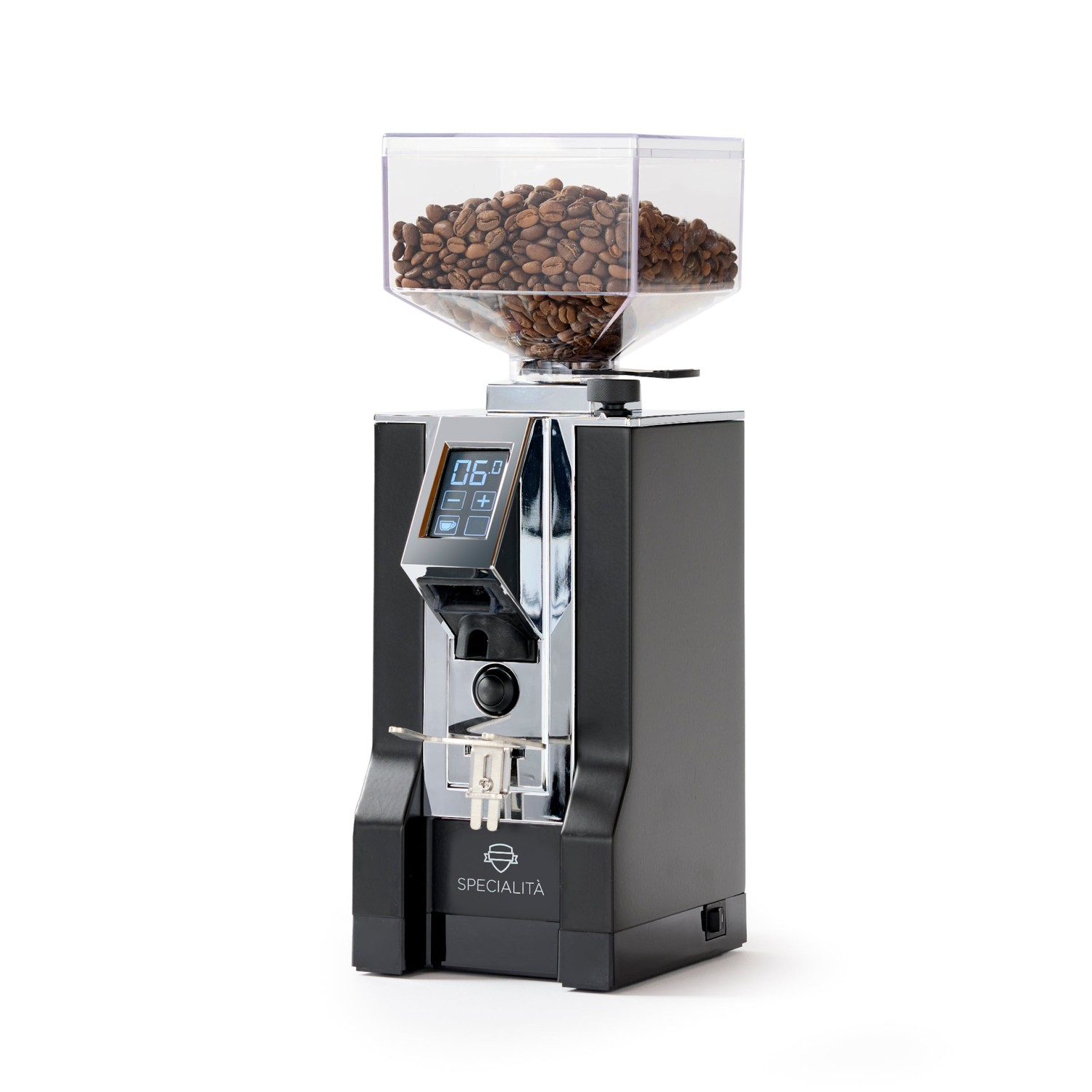
The Specialità is a hopper grinder on paper, but it is one of the best regular grinders for single dosing. Clive measured around 1.3 g of retention and 12 to 14 seconds to grind 20 g. It uses 55 mm flat burrs with stepless adjustment and a touchscreen timer, so you can single dose on weekdays and fill the hopper when guests come over.
Seattle Coffee Gear listed it at $549 and Whole Latte Love had the matte black at $499 when we wrote our espresso grinder guide. Amazon has mostly had imported listings priced above US retail, so the link below is a search.
One grinder that handles both routines. Compare current listings before you buy.
Search for the Specialità →All in on single dosing: DF64 Gen 2
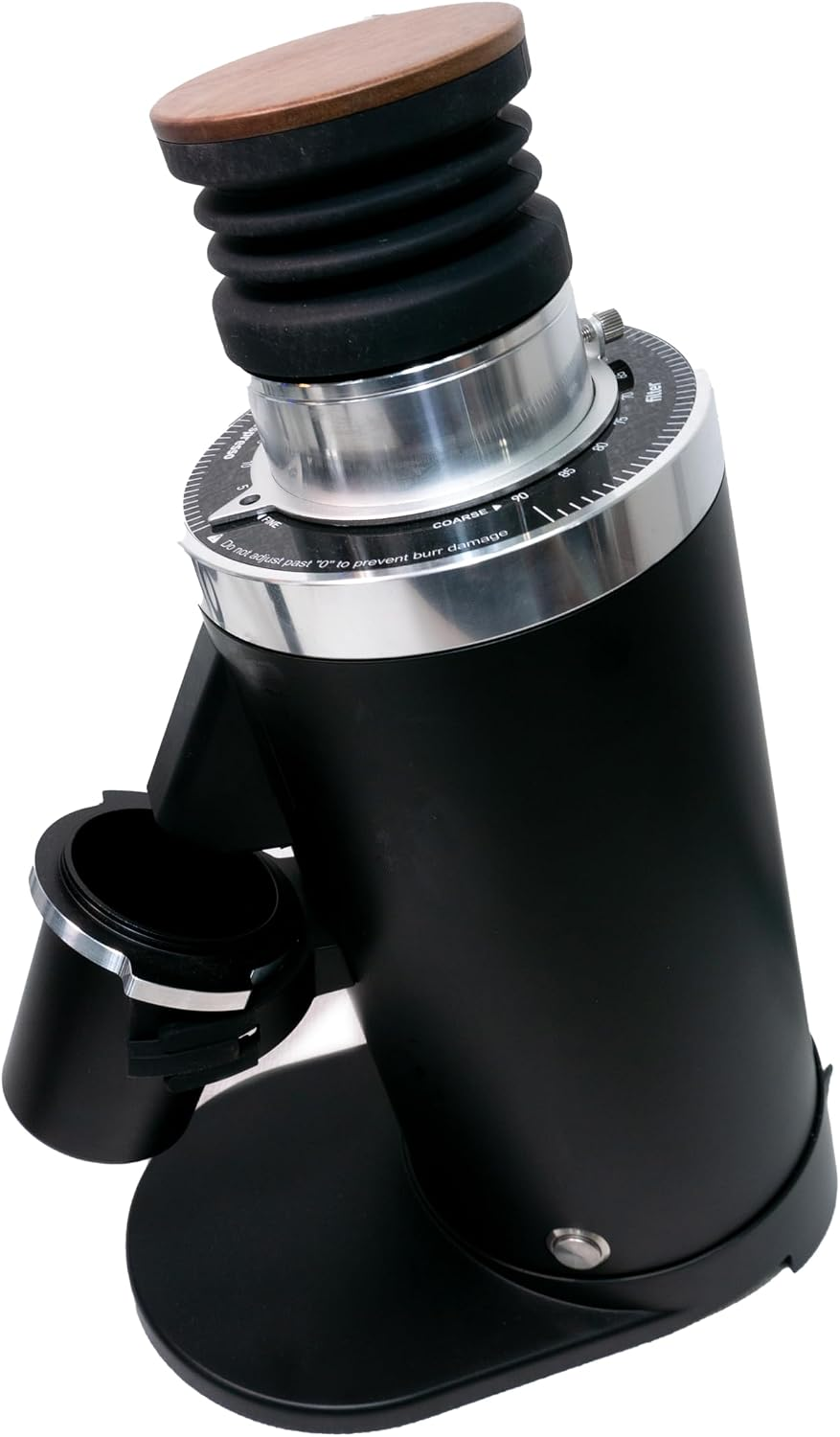
The DF64 Gen 2 is built for exactly this. Instead of a hopper it has a small bean chamber with a bellows on top, holding 20 g without the bellows and 50 g with it, according to the official Amazon listing. The same listing adds an anti-popcorn disc to keep beans feeding into the burrs and a plasma generator (an ionizer) at the exit chute to cut static.
It grinds into a 58 mm dosing cup, adjusts steplessly, and opens for cleaning without tools. The seller claims under 0.1 g of retention. Treat that as a maker’s figure rather than a test result, but it tells you what the grinder is designed for.
The trade-off is that it is a hobbyist’s grinder. It is tall, it suits people who enjoy the ritual, and it makes little sense if you just want to fill a hopper and forget it.
Purpose-built for the weigh-and-grind routine. It was $389 from the official seller on Amazon when we checked.
See the DF64 Gen 2 →The small things that make it work
Single dosing goes smoother with three cheap helpers.
| Helper | Why it helps | Amazon | |
|---|---|---|---|
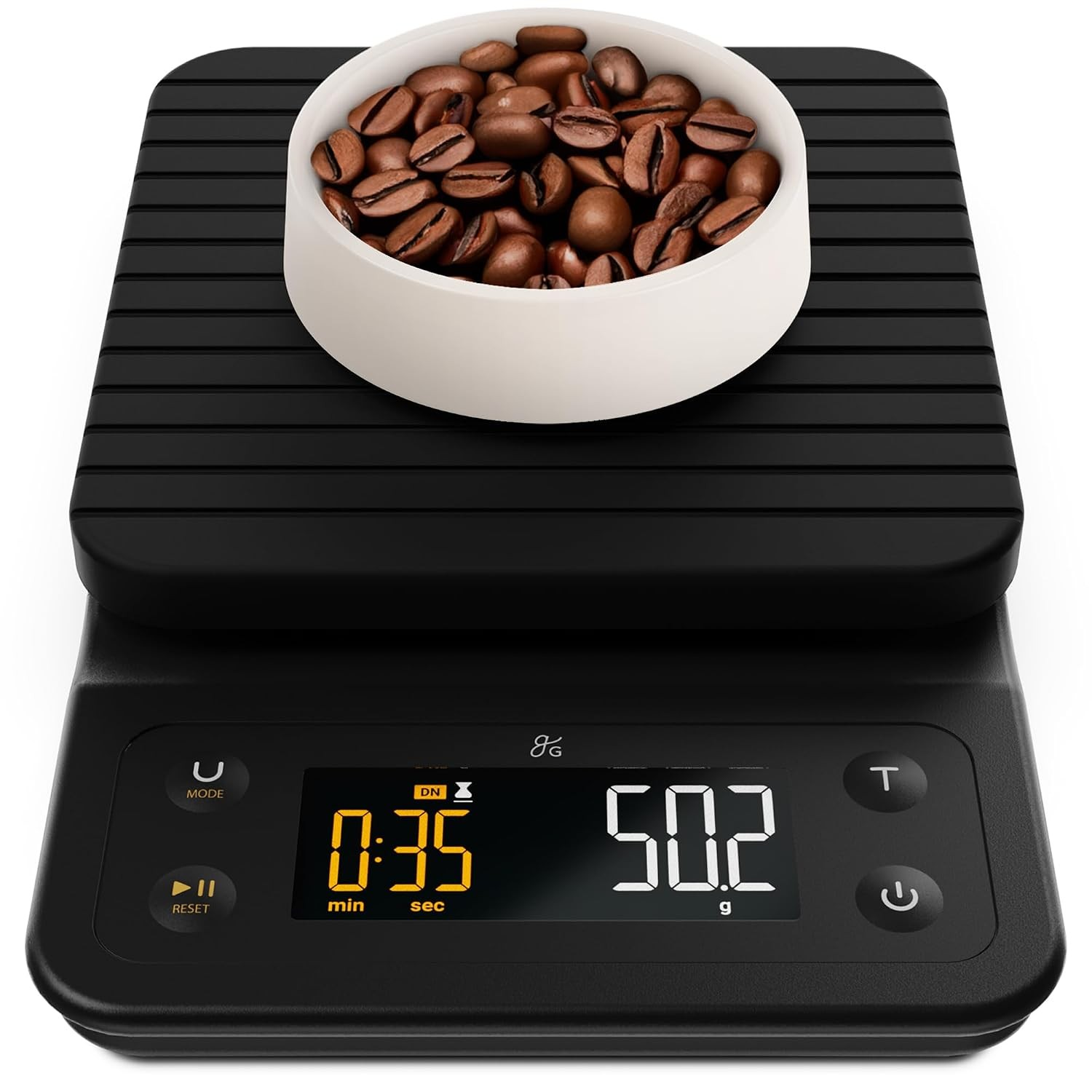 | Greater Goods timer scale | Weigh the beans in and the shot out | Check Price |
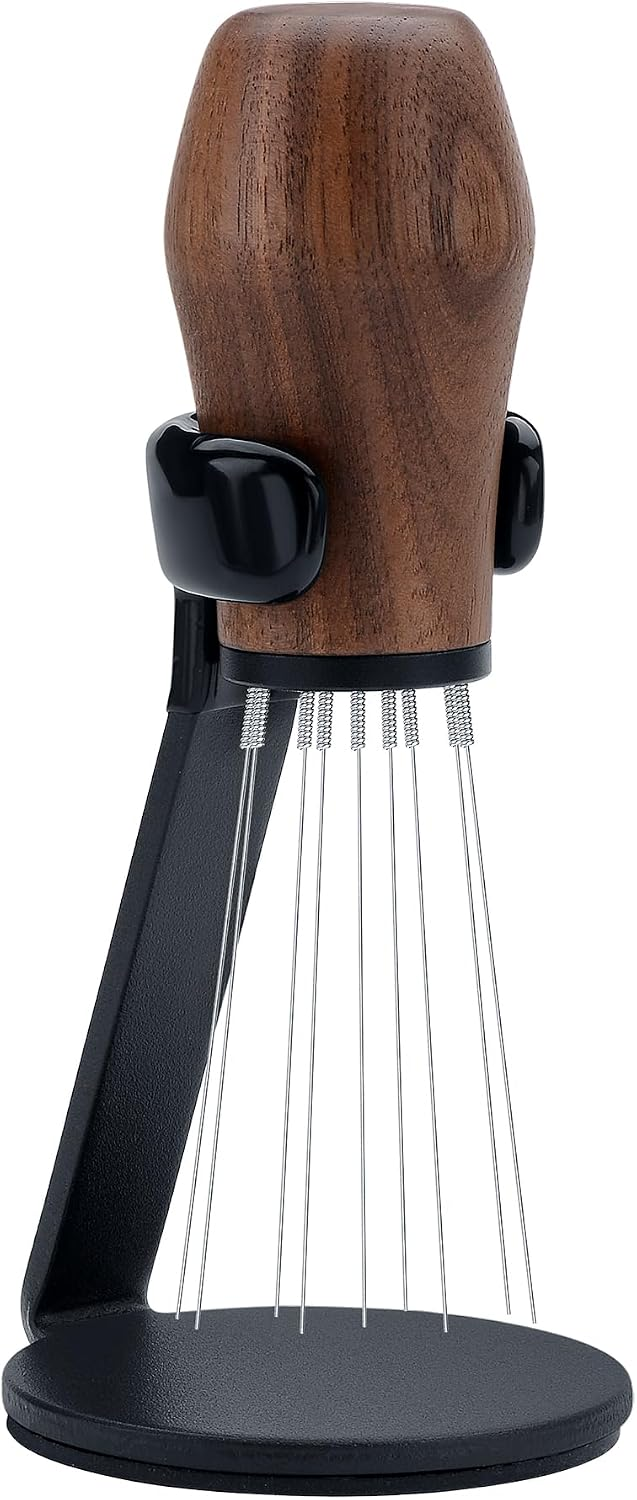 | Normcore WDT tool | Breaks up the clumps single-dose grinders often leave | Check Price |
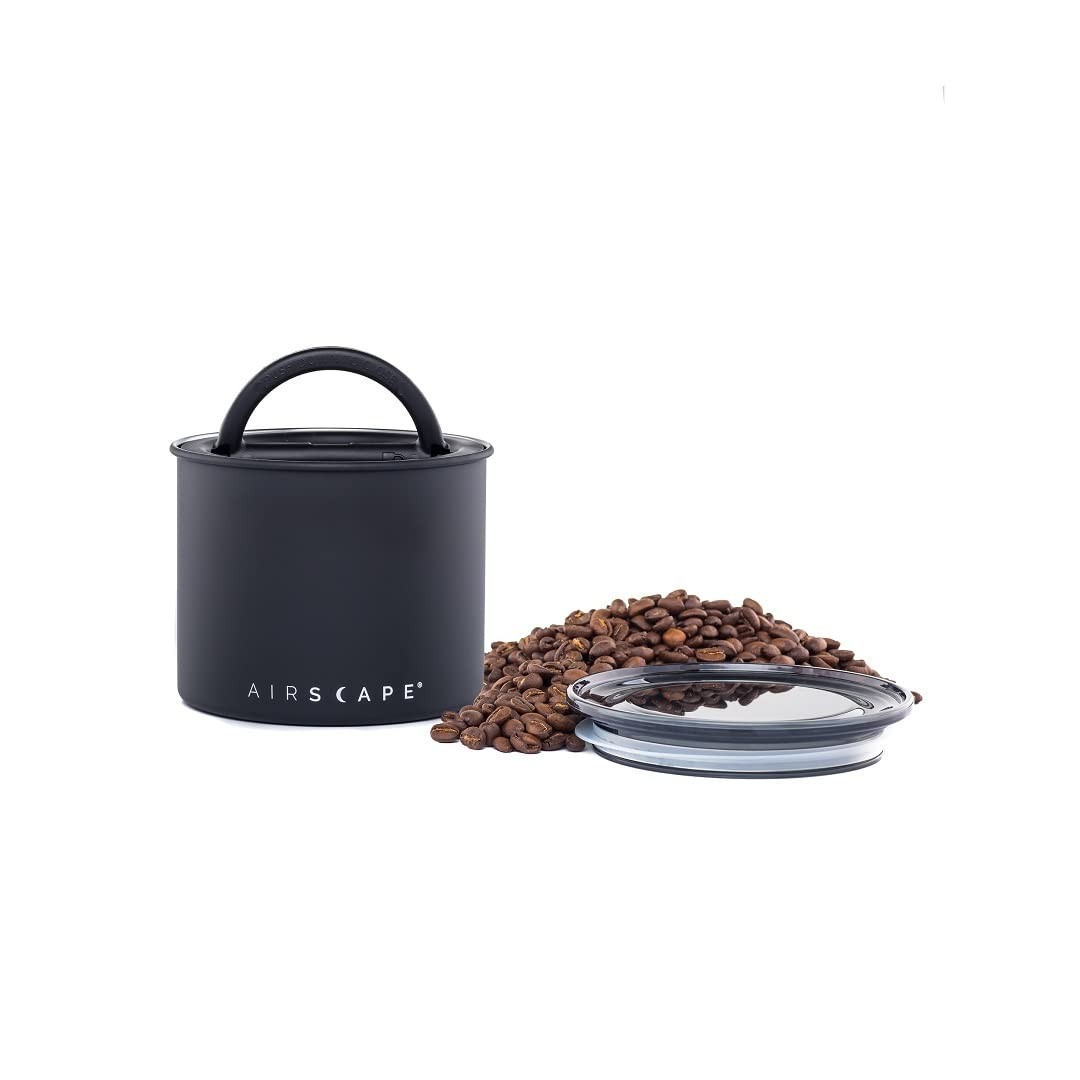 | Airscape 250 g canister | Keeps the rest of the bag sealed | Check Price |
The scale is the one you need from day one. The WDT tool earns its place the first time a dosing cup lands clumpy grounds in your basket. And since the whole point is keeping beans away from air, a proper canister does more for freshness than the grinder itself. Our guide to storing coffee beans goes further, including freezing single doses.
Start with the scale. Everything else in single dosing depends on knowing the weight.
Check the Greater Goods Scale →So is it worth it?
It is worth it if you switch beans often, drink mostly espresso, or your hopper regularly holds coffee for more than a few days. It is also worth trying if you enjoy the ritual. Weighing a dose becomes part of the morning, not a chore.
It is not worth it if you make several drinks in a row for a busy house and want speed above all, or if you drink one coffee you buy in bulk. In that case, a good hopper grinder used daily is fine, and the money is better spent elsewhere. Our piece on why the grinder matters more than the machine explains where that money goes furthest.