Home Espresso vs a Café Habit: The Real Math
A latte on the way to work feels like a small thing. Then you look at a month of card statements and find the same $5 or $6 charge twenty times over.
The usual advice is “just make it at home.” That’s only half an answer. Home espresso has its own costs: a machine, a grinder, beans, milk, and a few minutes every morning. Whether it actually saves you money depends on how often you buy coffee, what you order, and how much gear you buy.
So here’s the math, laid out so you can plug in your own numbers.
Disclosure: Espresso at Home is reader-supported. As an Amazon Associate we earn from qualifying purchases, at no extra cost to you.
What the café habit really costs
Coffee prices have climbed fast. The U.S. Consumer Price Index showed coffee up 18.3% in January 2026 compared with a year earlier, and up 47% over five years.
Café menus followed. Toast, the restaurant payments company, reported that in February 2026 the median price of a regular drip coffee on its platform was $3.65, and a cold brew was $5.58. Espresso drinks with milk usually sit at or above the cold-brew end, and oat milk or an extra shot pushes them higher.
Take a $5.50 latte as a working example. Bought five mornings a week, that’s $27.50 a week and about $1,430 a year. Add a weekend treat or a second afternoon drink and it climbs quickly.
What a home latte costs
A home latte has two running costs: coffee and milk. Everything else is either a one-time purchase or pennies.
- Coffee. A double shot uses about 18 g of beans. Say you buy a 12 oz (340 g) bag of specialty beans for $18. That’s about 19 doses, or roughly $0.95 a drink. Supermarket coffee is far cheaper: the Bureau of Labor Statistics average for ground coffee has been around $9 a pound, which works out to under $0.40 a dose.
- Milk. A latte takes roughly 180 to 200 ml. Whole milk has averaged about $4 a gallon in BLS data, so that’s around $0.20 to $0.25 a cup. Oat milk costs more.
- Water, power, cleaning. A few cents a drink once you spread out filters, descaler and electricity.
Call it about $1.20 a drink with good beans, or around $0.60 with supermarket beans. Either way, the gap against a $5.50 café latte is somewhere between $4.30 and $4.90 per cup.
The setup cost and the break-even point
Here’s where people get it wrong in both directions. Some buy a $2,000 machine and never earn it back. Others buy a $60 pod machine and wonder why the coffee tastes like the pods.
| Setup | Rough upfront cost | Break-even at 5 lattes a week | |
|---|---|---|---|
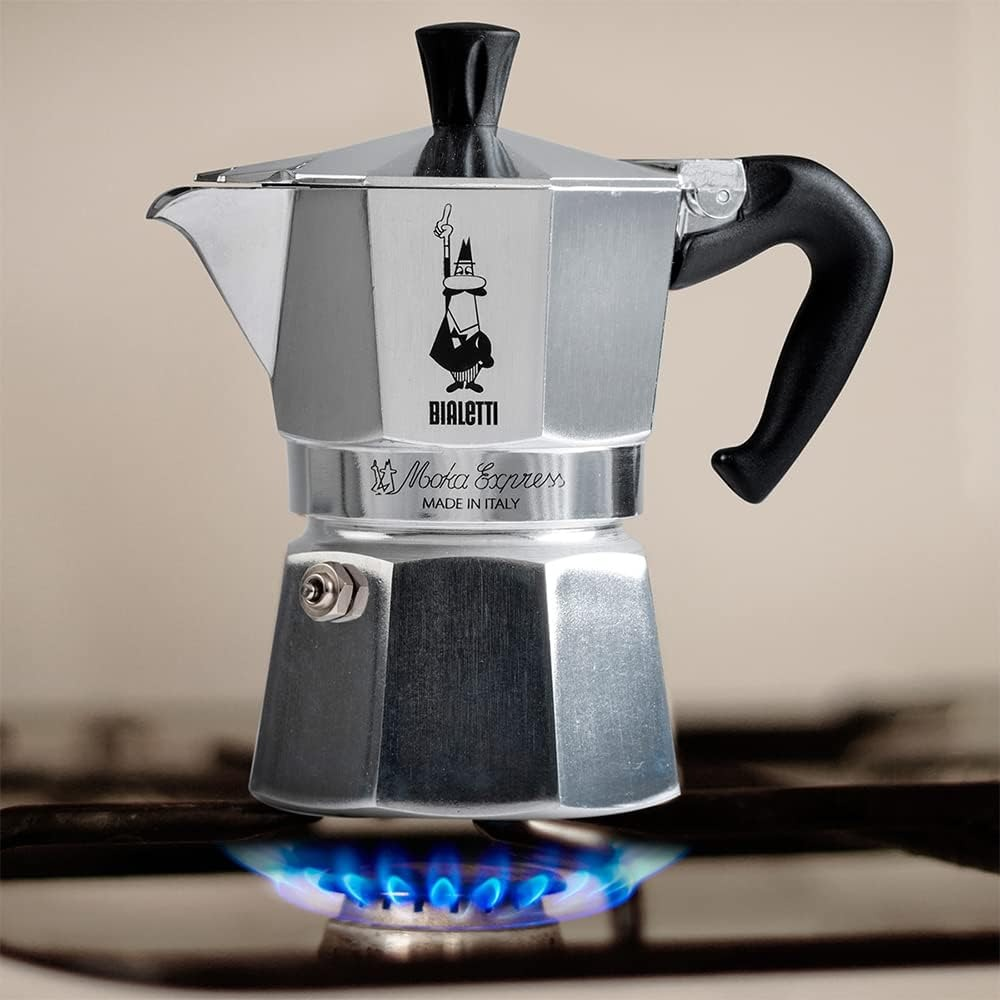 Moka pot + pre-ground coffee | About $40 | About 2 weeks | Check Price |
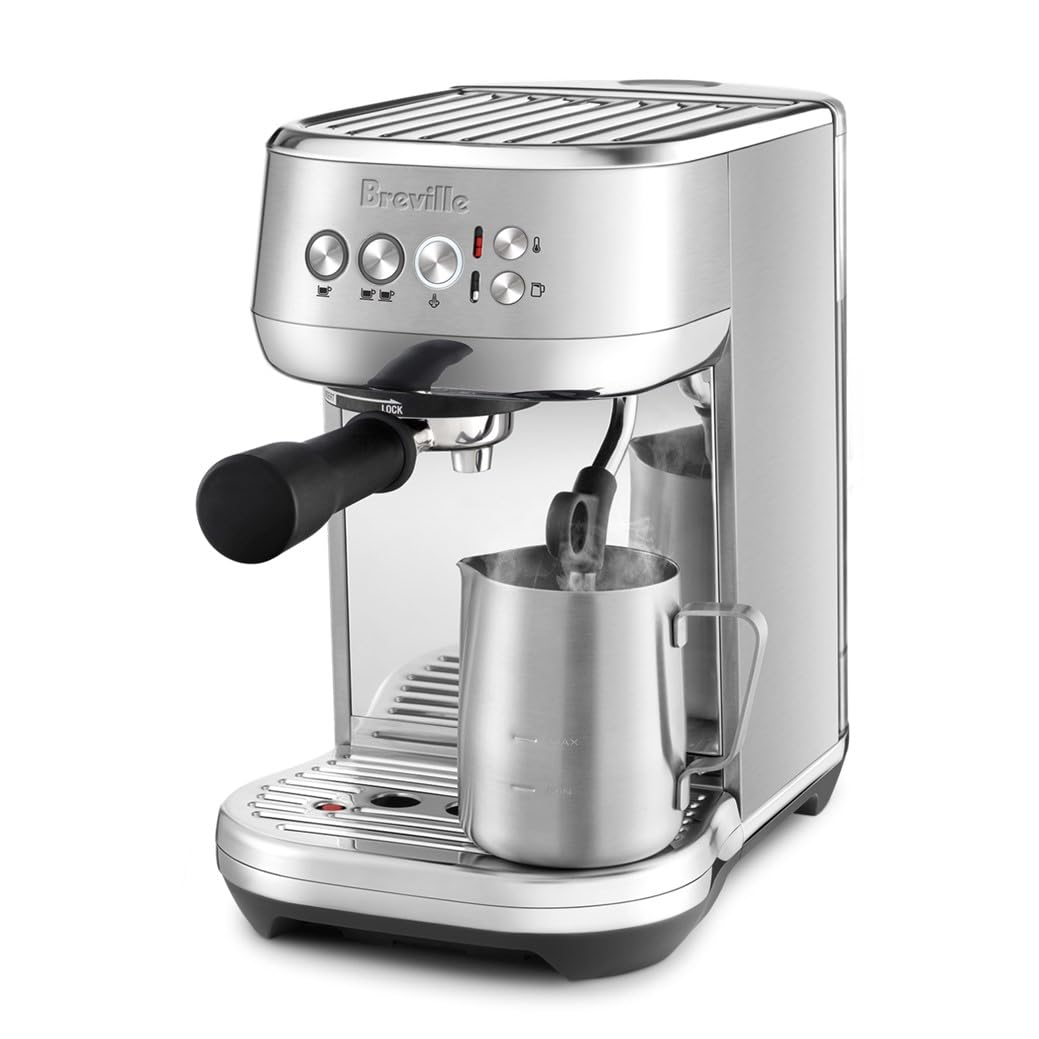 Bambino Plus | $499.95 list | About 5 months | Check Price |
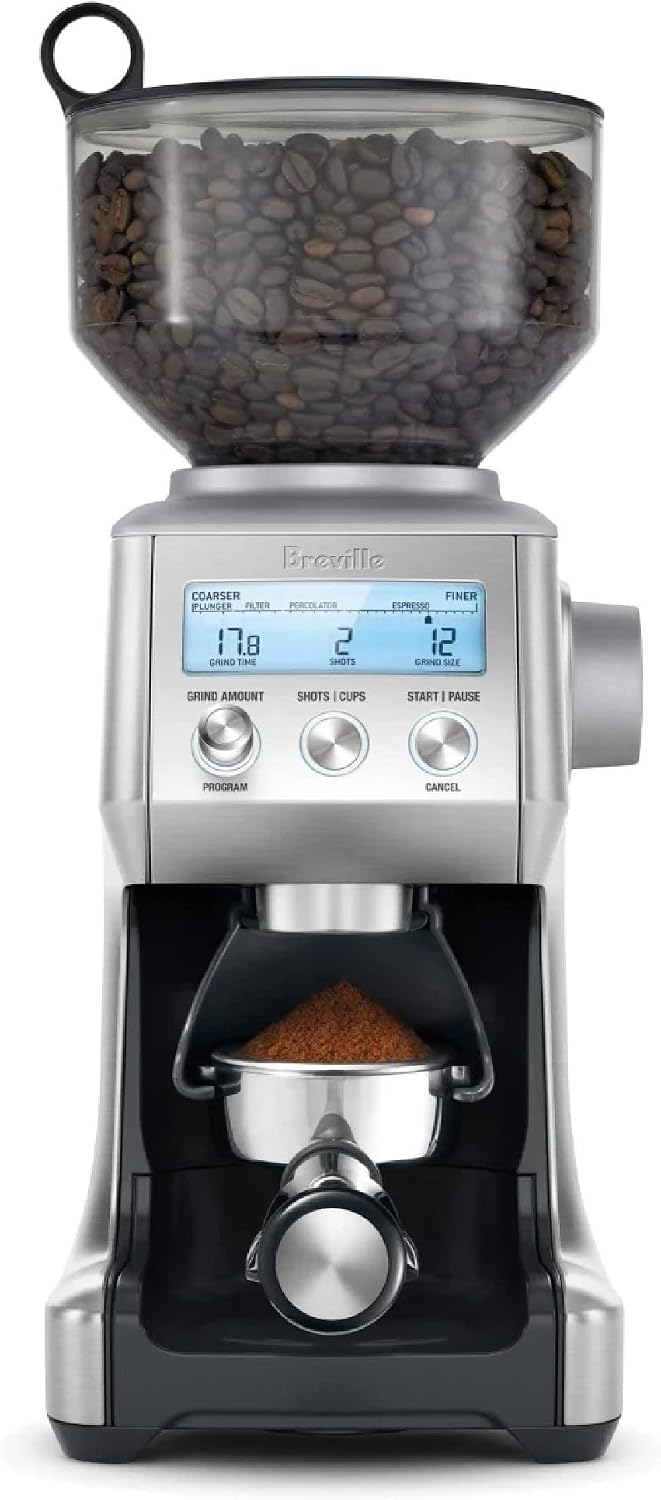 + Smart Grinder Pro | About $200 more | About 7 months total | Check Price |
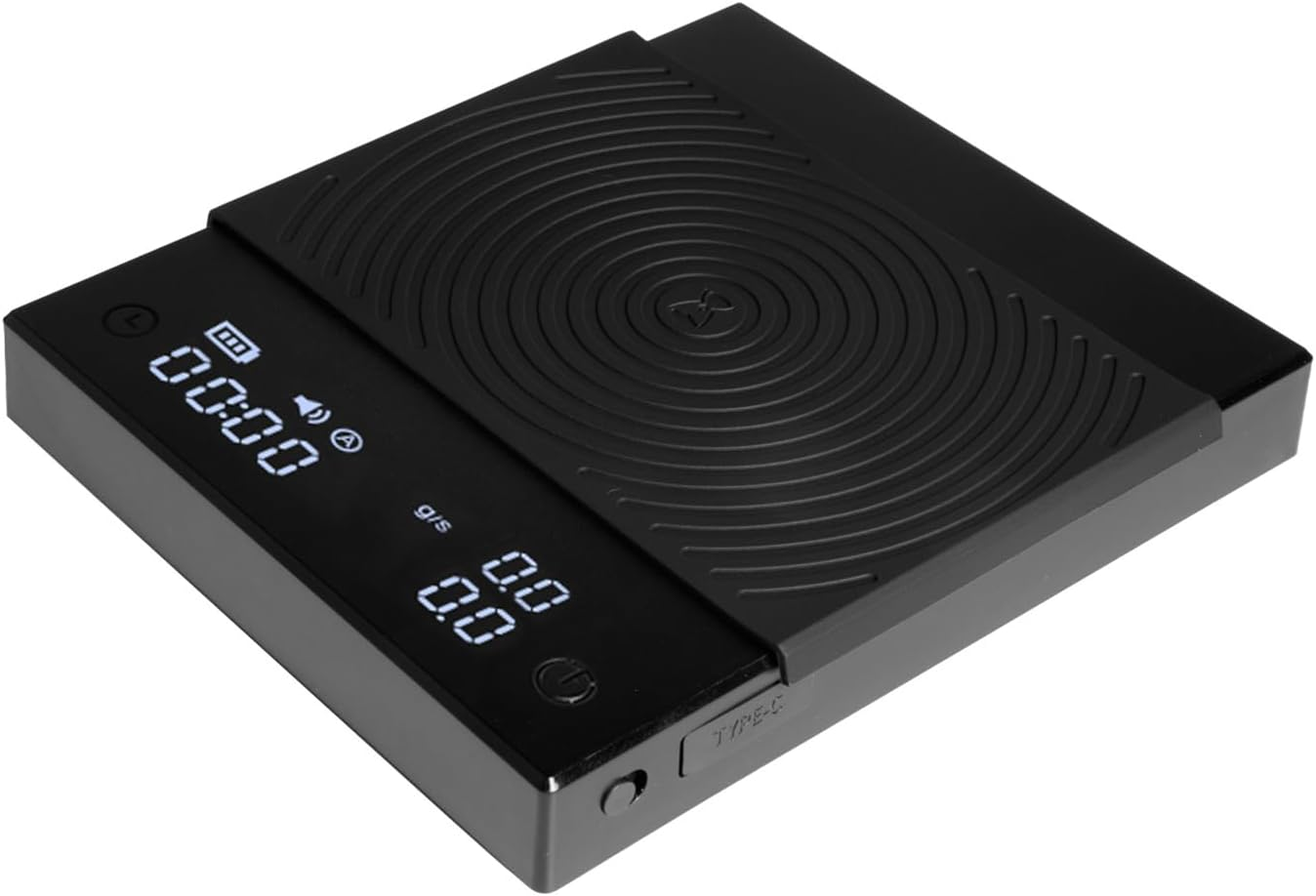 + Timemore Basic 2 scale | About $60 more | About 8 months total | Check Price |
The break-even figures assume you save about $4.50 per drink and that you actually make the coffee you would otherwise buy. That last part matters more than any spec.
A full espresso setup of roughly $760 pays for itself in about 170 drinks. At five a week that’s around eight months. At two a week it’s well over a year and a half.
Costs the calculators leave out
- Learning shots. Your first bag of beans will partly go down the drain while you dial in the grind. Budget one bag as tuition.
- Milk waste. Steaming more than you need is normal at first. A small pitcher helps.
- Time. Five to ten minutes in the morning, plus a quick wipe-down. If that time comes out of your sleep, be honest about whether you’ll keep it up.
- Maintenance. Descaler, a water filter, and occasionally a new gasket over the years.
- The café you still visit. Most people don’t quit completely. The savings come from the routine drinks, not the Saturday one with a friend.
Which setup fits which coffee drinker
Match the gear to the habit you already have, not the one you hope to have.
The daily latte drinker: Breville Bambino Plus
If you buy a milk drink most weekdays, this is the setup that earns its money back fastest. The Bambino Plus heats up in about three seconds, so there’s no warm-up excuse on a rushed morning.
Its automatic steam wand is the real reason it suits café converts. You set milk temperature and texture, and it steams while you deal with lunchboxes or keys. The result is close to a café flat white without any barista training.
Replacing a weekday latte run? Breville lists the Bambino Plus at $499.95; Amazon’s price moves around, so check today’s.
See the Bambino Plus →Every espresso drinker: Breville Smart Grinder Pro
This is the line item people try to skip, and it’s the one that decides whether home espresso tastes better than the café or worse. Pre-ground coffee goes stale quickly and can’t be adjusted, so you can’t fix a sour or bitter shot.
The Smart Grinder Pro covers espresso through to French press across 60 settings and grinds straight into the Bambino’s portafilter. It’s also what lets you buy whole beans in bulk, which is where the per-cup savings get bigger.
The part that makes the savings taste good. Usually about $200 at major US retailers.
Check the Grinder’s Price →The careful spender: Timemore Black Mirror Basic 2
A scale saves money in a quiet way. When you weigh 18 g every time, a bag lasts exactly as long as you planned, and you stop pouring shots down the sink because one was too strong and the next too weak.
Stop wasting beans. The Basic 2 runs around $60 to $65 at specialty coffee shops.
View on Amazon →The “few times a week” drinker: Bialetti Moka Express
If you only buy coffee two or three times a week, a $760 espresso setup takes a long time to pay off. A moka pot pays for itself in days.
It isn’t true espresso. It makes a strong, concentrated coffee on the stove, and with hot milk from a saucepan or a cheap frother it makes a very decent latte-style drink. Bialetti has made the Moka Express since 1933, and it works on gas and electric stoves, and on induction with an adapter plate.
The cheapest way to test the habit. The 3-cup Moka Express was about $40 on Amazon when we checked.
See Today’s Price →A quick decision checklist
- Count your café drinks for two weeks. Use your bank app, not your memory.
- Note what you order. Black coffee drinkers save more with pour-over or a moka pot than with an espresso machine.
- Multiply by your real saving per drink, about $4 to $5 for a latte, less for drip.
- Divide the gear cost by that weekly saving. Under six months is a clear win. Over a year means buying less gear.
- Be honest about mornings. If you never have ten spare minutes, a cheaper setup you use beats an expensive one you don’t.
For most people who buy a milk drink every weekday, home espresso pays for itself within a year and keeps paying after that. For occasional café visitors, the smart move is a moka pot or a simple pour-over kit and keeping the café for treats.
Worried about where it all goes? Our small-kitchen coffee bar guide fits a machine, grinder and scale into about two feet of counter.
Switching from a capsule machine? See Moving On From Pods: Alternatives to a Nespresso.
Before you pick a machine, it helps to understand single boiler, heat exchanger and dual boiler designs.
Prefer to skip the late-night caffeine? Our guide to decaf coffee that doesn’t taste like decaf explains what to look for on the bag.
If mornings are the reason you buy café coffee, our morning coffee routine for busy parents shows how to have it ready at home.
Going the moka pot route? Our moka pot guide walks through grind, heat and timing step by step.
Want to cut the bean cost too? See how coffee subscriptions compare with supermarket beans per mug.