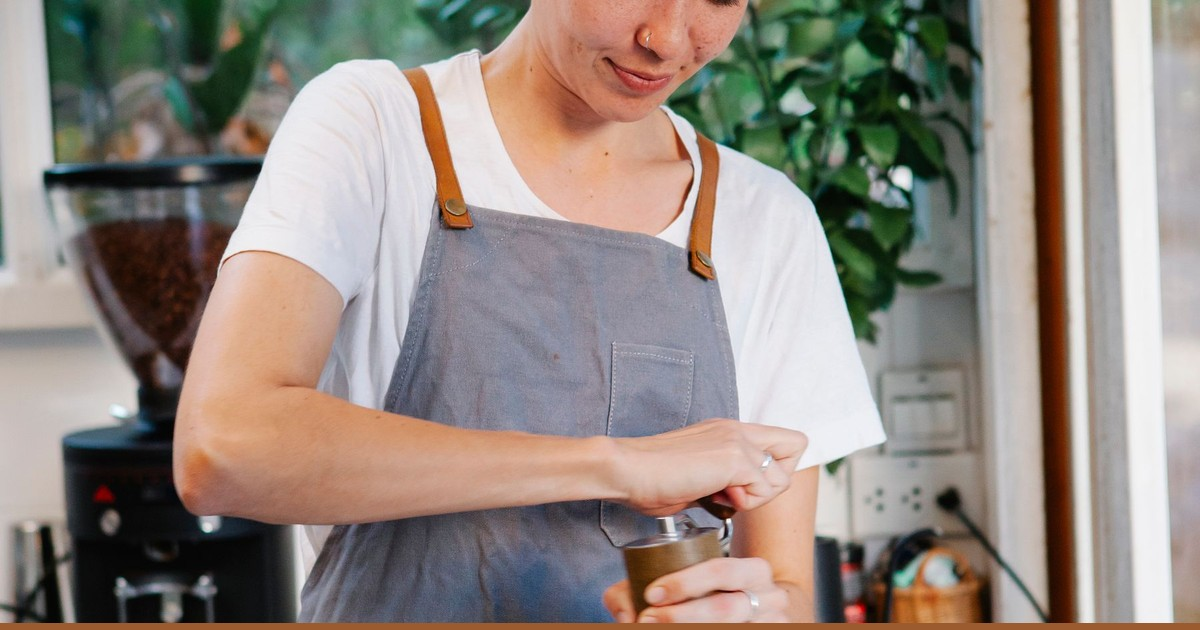
Why Your Grinder Matters More Than Your Machine
Here is a common story. Someone saves up for a shiny espresso machine, spends most of the budget on it, and adds whatever grinder is left over. A month later the shots are still sour one day and bitter the next, and they start wondering whether the machine was a mistake.
Usually it was not the machine. It was the grinder. If you are planning a home espresso setup, or wondering why your current one disappoints, this is the part of the budget worth getting right first.
Disclosure: Espresso at Home is reader-supported. As an Amazon Associate we earn from qualifying purchases, at no extra cost to you.
Why the grinder does more of the work
An espresso machine has one job: push hot water through a puck of coffee at the right temperature and pressure. Even a modest home machine does that reasonably well. What it cannot do is fix the puck it is given.
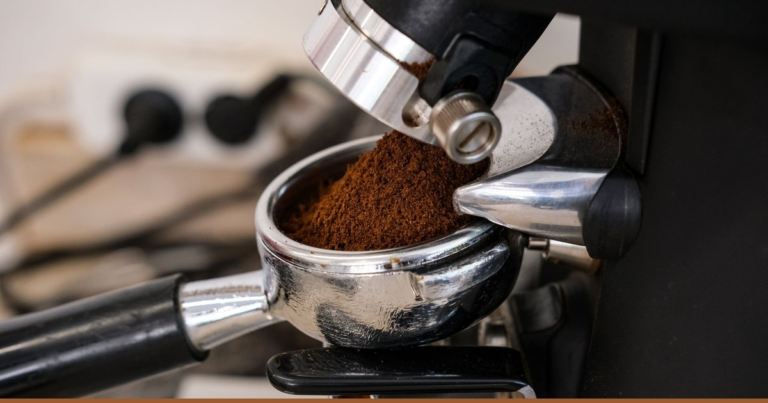
The grinder decides almost everything about that puck. How fine the grounds are sets how fast the water flows. How even they are decides whether the water extracts all of the coffee evenly, or rushes through some paths and stalls in others. Uneven grounds give you a shot that is sour and bitter at once, and no amount of tamping or temperature fiddling will rescue it.
Seattle Coffee Gear, which sells both machines and grinders, puts it plainly. It calls the idea that the machine matters more a common misconception, and in its burr vs blade guide suggests budgeting at least as much for the grinder as for the machine.
What happens when you skimp
- It cannot go fine enough. Many grinders built for drip coffee simply do not reach espresso fineness, so shots run fast and thin whatever you do.
- The steps are too big. Espresso needs tiny adjustments. If one click takes you from a 15-second gusher to a 45-second drip, you will never land in between.
- It is inconsistent. The same setting gives a different shot tomorrow, so you never learn anything from adjusting.
All three show up in the cup as the problems in our sour or bitter troubleshooting guide. A better grinder fixes them at the source.
Specs that matter, and specs that do not
Worth paying attention to
- How many settings fall in the espresso range. A grinder with 40 settings where half are for espresso beats one with 60 settings spread from Turkish to cold brew.
- Stepless or fine-stepped adjustment. Stepless grinders let you move any amount; stepped ones need small steps at the fine end.
- Dosing that fits your portafilter. A holder or a cup that matches your basket size saves mess every morning.
Less important than they look
- Burr shape. Seattle Coffee Gear says conical versus flat does not have a massive effect on flavour. Flat burrs tend to give a slightly brighter, thinner cup, conical a slightly richer one.
- Burr size. Home grinders mostly use burrs of about 40 to 65 mm. Bigger burrs grind faster, but size does not generally make a major difference to consistency.
- A long list of total settings. See above: it is the steps in your range that count.
A quick decision checklist
- Set your total budget for machine plus grinder before you shop.
- Plan to spend roughly as much on the grinder as on the machine, and never let the grinder become an afterthought.
- If money is tight, pair a modest machine with a better grinder, not the other way round. A good grinder also moves with you when you upgrade the machine later.
- Check that the grinder is sold as an espresso grinder, not just a coffee grinder.
- Check it fits your counter and your portafilter size.
Three grinders matched to three kinds of buyer
Each of these can grind properly for espresso. They differ in how much effort, money and counter space they ask for.
The tight budget: Timemore Chestnut C3 ESP
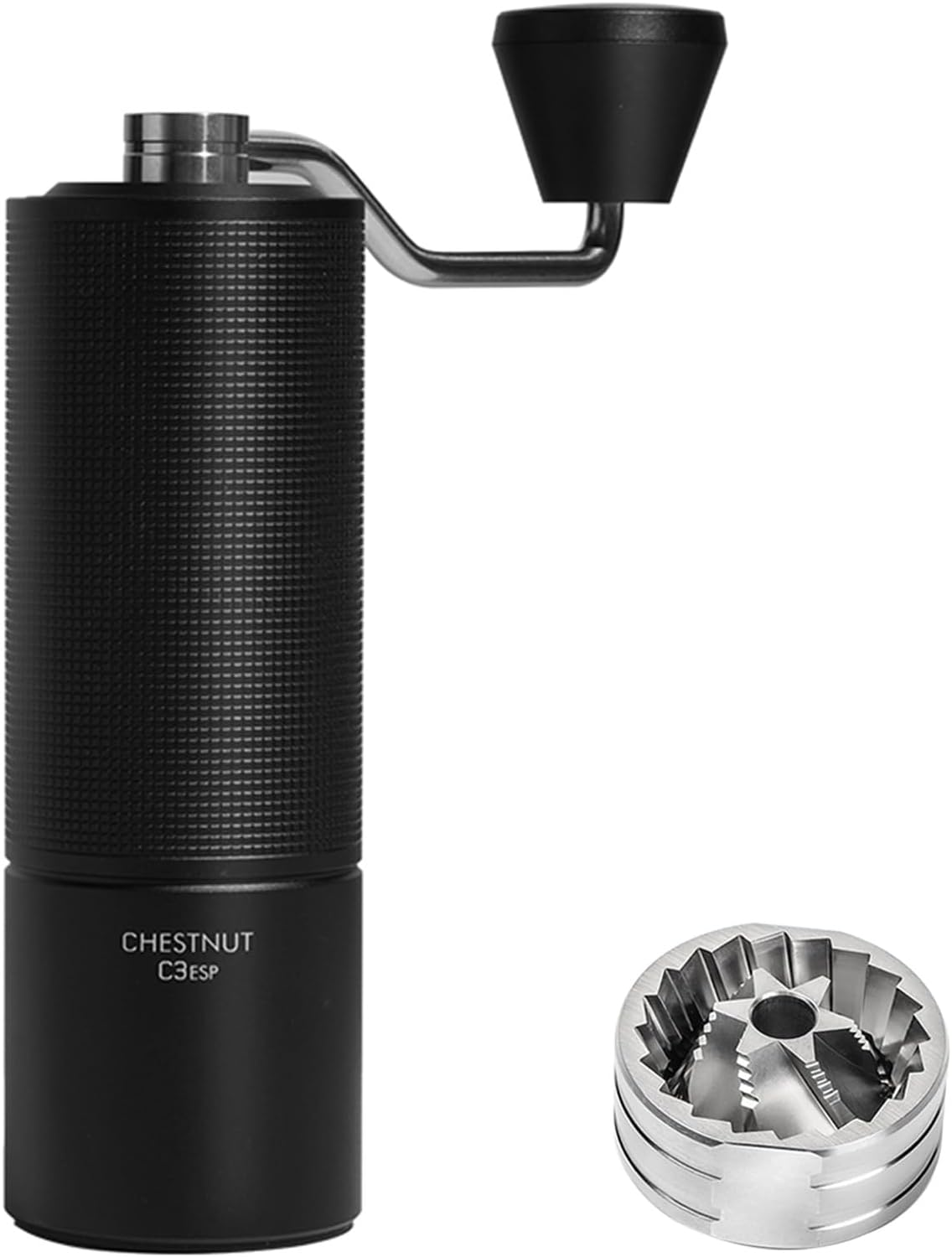
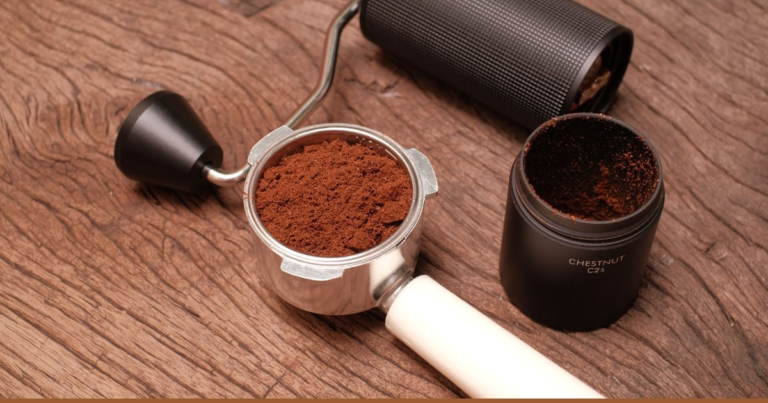
If you have just bought a machine and the grinder fund is nearly empty, a hand grinder built for espresso is the honest answer. The Timemore C3 ESP has 30 clicks per turn, so each step is small enough to dial in a shot.
It takes some arm work for each dose and it will not suit a household making six drinks a morning. But it is silent, needs no counter space and gets you real espresso fineness for a fraction of the cost of an electric espresso grinder.
Spent the budget on the machine? This gets your shots dialled in without starting over.
See the C3 ESP on Amazon →The first espresso setup: Baratza Encore ESP
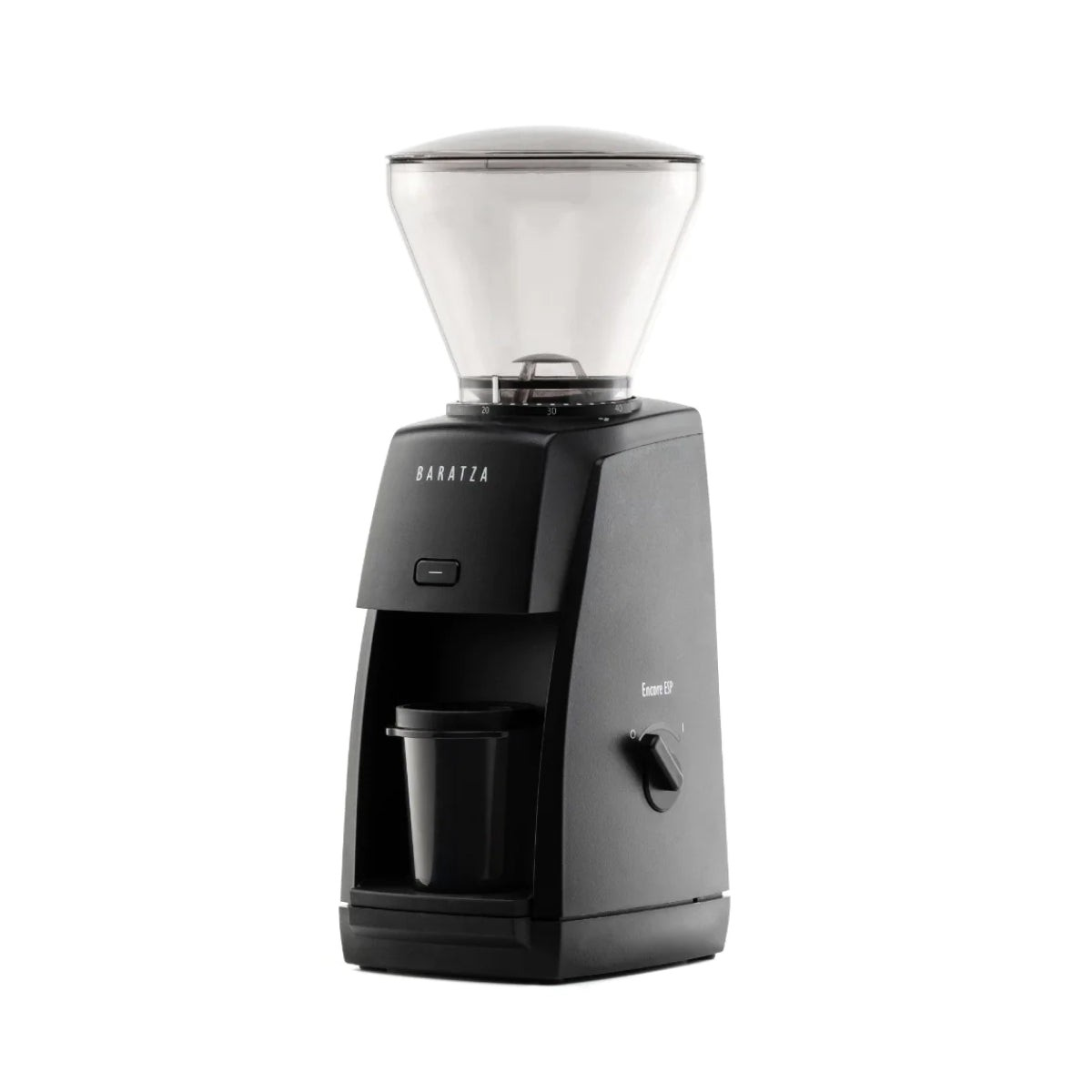
For most people buying their first machine, this is the grinder to plan for. The Encore ESP uses a 40 mm M2 conical burr and has 40 stepped settings, and Seattle Coffee Gear says settings 1 to 20 are the espresso range. So half the dial is spent exactly where espresso drinkers need it, and the rest still handles pour-over and drip.
Seattle Coffee Gear listed it at $199.95. Paired with a machine at a similar price, it gives you the balanced budget this whole article is arguing for. We could not find it sold directly on Amazon, so the link below is a search; check that the listing says ESP.
If you already own a Breville machine, the Breville Smart Grinder Pro is the other common choice. It has 60 settings and grinds straight into Breville portafilters.
Planning your first espresso corner? Budget for this grinder before you choose the machine.
Search for the Encore ESP →The one you keep for years: Eureka Mignon Specialità
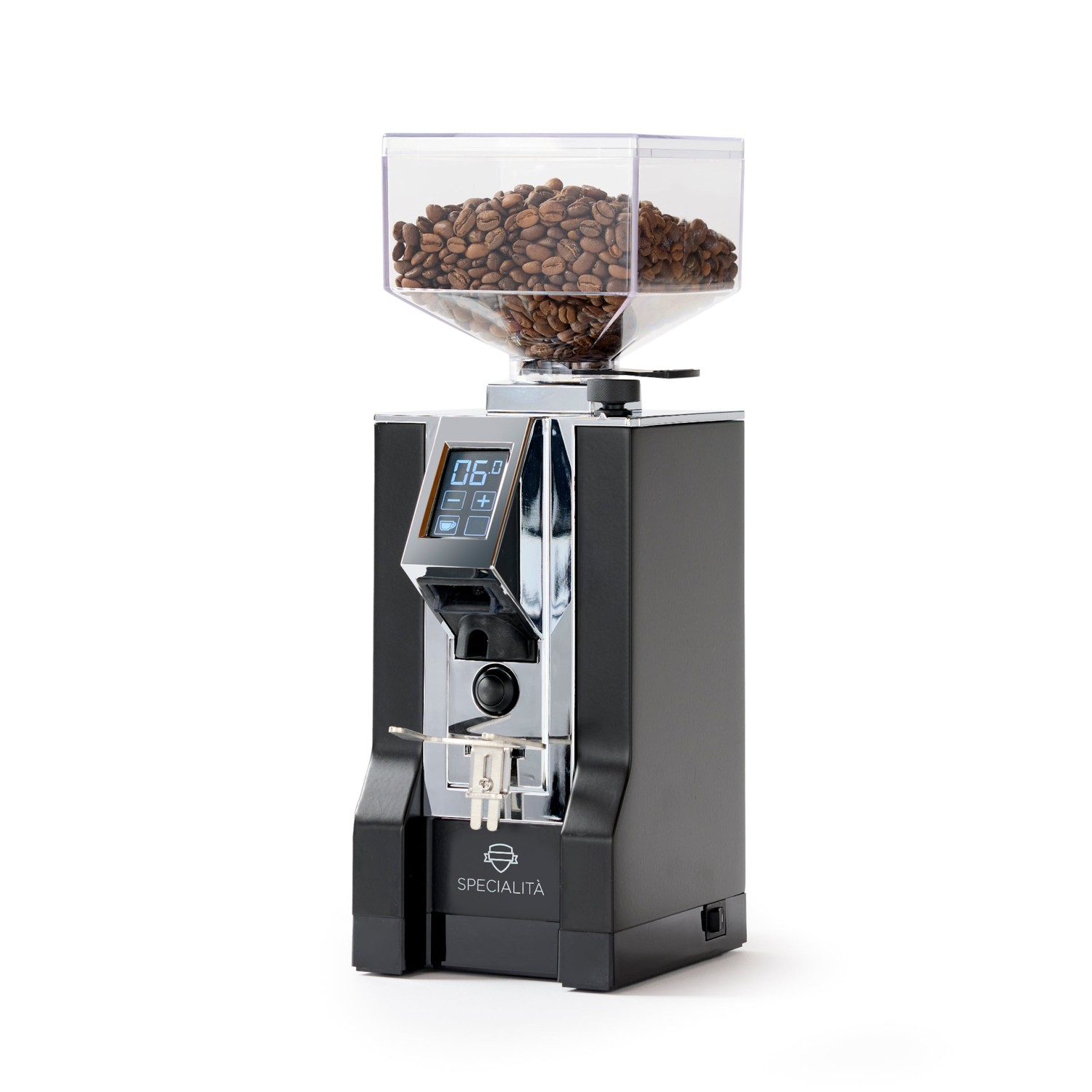
If you are serious about espresso, this is the kind of grinder that outlasts several machines. The Specialità has 55 mm flat burrs and stepless adjustment, so you can move the grind by any amount you like, not just to the next click.
Seattle Coffee Gear listed it at $549, or $599 in chrome. That is more than many people spend on their machine, which is exactly the point: a Specialità paired with an entry-level single boiler will often pull better shots than an expensive machine with a cheap grinder. Our machine types explainer covers what you get as the machine budget goes up.
Want a grinder you never need to replace? Stepless flat burrs for years of fine-tuning.
Search for the Specialità →The bottom line
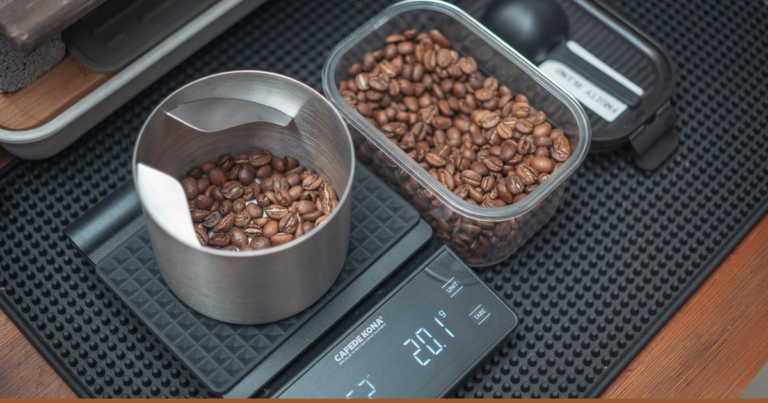
A good machine with a poor grinder makes inconsistent coffee. A modest machine with a good grinder makes coffee you can improve every week. If you have to choose where the money goes, put it in the grinder, and use a scale so you can see what it is doing.
Shopping for the machine as well? See Your First Espresso Machine: What Actually Matters.
This is one of several espresso machine myths beginners believe.